
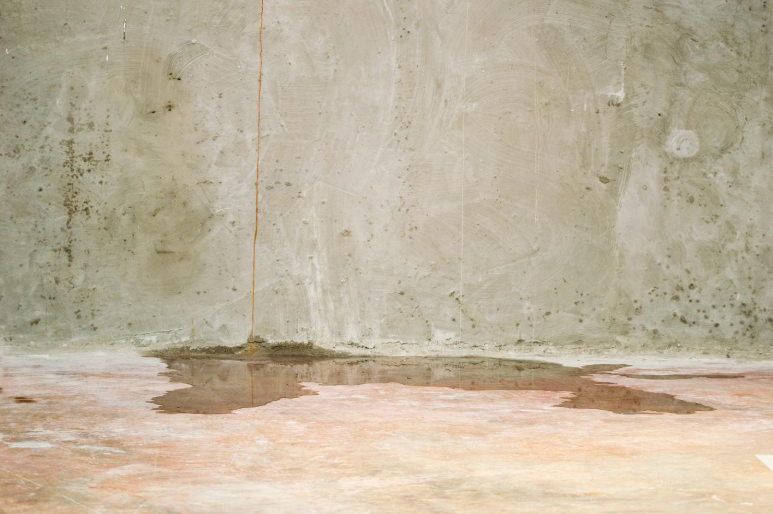
Key Takeaways About Slab Leak Detection
A slab leak detection identifies hidden water leaks beneath concrete slabs using noninvasive tests and inspections. This guide helps homeowners and property managers act early when subtle signs appear to prevent damage and high bills.
- Identify unexplained water meter movement and bill increases promptly.
- Prevent further damage by isolating zones and shutting off water.
- Avoid unnecessary cutting by using thermal and moisture mapping first.
- Spot subtle cues like warm spots musty smells and soft flooring.
- Reduce risk by checking system pressure and visible supply fittings.
- Plan professional diagnostics with pressure tests acoustic tools and reports.
Introduction
A hidden slab leak can start small and turn into a major problem under floors and inside walls. Early signs are often subtle like unexplained water bills, damp spots, or a musty smell. Ignoring those cues lets moisture weaken subflooring and framing over time. Homeowners in Conway, SC face the same risks when a slow leak goes unnoticed.
Knowing what to watch for helps protect structural integrity and avoid high utility costs. Changes in floor texture or warm patches on tile can signal pressurized water under the slab. A sudden increase in the sound of running water when all fixtures are off also warrants attention. For properties near the coast, including Myrtle Beach, SC, moisture damage can escalate if left unchecked.
Causes vary from pipe corrosion to shifting soil that stresses supply lines beneath the concrete. Older copper and galvanized pipes often develop pinhole leaks where corrosion concentrates. Pressurized hot water lines can fail faster than cold supply due to thermal stress. Poor original installation or abrasive bedding under the slab can also create weak points over time.
Spotting a slab leak early can save thousands in repair and prevent mold growth behind walls. A professional inspection can confirm the issue and show where the problem started using pressure tests or infrared imaging. Waiting until visible flooding appears increases repair scope and structural work. Act sooner when multiple subtle signs appear together to limit damage and cost.

How Slab Leak Detection Works Under Concrete
Slab leak detection is the process of locating hidden plumbing leaks beneath concrete slabs using noninvasive methods and tests. Technicians start by listening for abnormal water flow or using a pressure gauge to detect unexplained drops in system pressure. They may check the water meter to confirm continuous flow when all fixtures are off, which answers a common homeowner question about how to tell if a slab leak exists. Early detection relies on combining audio, visual, and measurement cues to narrow the search area before any cutting occurs.
- Acoustic listening to pinpoint sound of running water.
- Pressure testing of the supply lines for drops.
- Thermal imaging to find warm water paths under slab.
- Moisture meter scanning for elevated moisture levels.
After initial checks, a technician will isolate zones by closing shutoff valves and retesting individual lines to confirm the problem line. They often use an infrared camera to scan floors for warm spots that match pressurized hot water leaks. A moisture meter gives concrete moisture readings that help map affected areas and guide targeted probes. These steps reduce unnecessary concrete removal and clarify repair scope for homeowners.
Some homeowners wonder what tools professionals use to confirm a slab leak, common items include an acoustic amplifier, pressure gauge, moisture meter, and infrared camera. A dye test is not useful for buried pressurized supply lines but can help with slab-related fixtures. Technicians document findings with photos and written test results to show where repairs will be made. This documentation helps homeowners compare repair options and understand recommended next steps.
Typical diagnostics take under a few hours for a single suspected line and may take longer for complex systems under large slabs. For Conway, SC properties, quick diagnostics can catch leaks before mold or extensive slab damage develops. In coastal areas like Myrtle Beach, SC, timely confirmation of a leak helps limit secondary moisture problems inside wall cavities. If signs point to a confirmed leak, contacting a professional is the safest next action to protect structure and control costs.
Common Causes of Slab Leaks and Why They Happen
Pipe material and age often drive leaks beneath slabs. Copper can develop pinhole corrosion over decades when chlorides or acidic soils contact the pipe. Older galvanized or brass fittings may fail at joints where galvanic action or mechanical stress concentrates. Pressurized hot water lines show leaks sooner because thermal cycling stresses joints and thin sections.
Physical damage during construction or renovations creates another common pathway for slab leaks. Concrete pourers can nick or crush supply lines when they place rebar or compact soil without marking lines. Abrasive bedding like gravel or sharp stones can wear pipe jackets over time as the ground settles and shifts. Shallowly buried lines near slab edges suffer more movement from freeze-thaw or settlement forces.
High system pressure and water hammer both increase the chance of a slab leak developing. A faulty pressure-reducing valve or missing expansion tank lets peak pressures stress fittings and pipe walls. Repeated hammer from quick-closing valves degrades fittings at elbows and tees until a small crack opens. Professionals often measure static pressure with a pressure gauge to evaluate this risk during an inspection.
Corrosion caused by stray electrical currents or chemical reactions also contributes to failures under concrete. Stray current corrosion can pit metal pipes even when water chemistry seems normal. Chemical attack occurs when aggressive groundwater or concrete additives contact pipe surfaces through microscopic breaches. In suspected electrochemical cases, a technician may check continuity and ground paths before proceeding with repairs.
Early Water Bill Changes and Meter Test Steps
Unexpected increases on your water bill are one of the earliest signs that warrant slab leak detection action. Compare current bills to the same month last year to spot unusual rises while accounting for seasonal use. If the meter keeps turning when all fixtures and appliances are off, that indicates continuous flow that needs investigation. Homeowners can note the bill date and meter readings to give a technician clear baseline information.
Perform a simple meter test by turning off every shutoff valve and appliance that uses water and then watching the meter for movement. Record the meter number, wait 15 to 30 minutes, and check again to confirm continuous flow if the dial or digital readout moves. This approach isolates leaks in supply lines, including those under slabs, without dismantling fixtures or appliances. Save these readings to show a contractor the timing and rate of loss.
A more diagnostic step is to use a pressure gauge at an accessible hose bib or the main shutoff to watch for pressure drops over time. If pressure drops while the meter shows flow, the leak is likely in the pressurized portion of the system under the slab. Professionals will also check the pressure-reducing valve and any visible supply line connections to rule out localized failures. Documented pressure readings help technicians narrow the search before using acoustic or thermal methods.
In other cases, a technician may run a timed flow test to estimate leak volume from meter movement and pressure loss data. They then combine that estimate with floor wetness observations and moisture meter readings to prioritize search areas. For properties in Conway, SC, this measured approach helps decide whether to probe concrete or focus on accessible fittings first. When readings indicate significant continuous loss, contact a licensed plumber to confirm and plan repairs.
Recording meter test outcomes and pressure measurements produces evidence for repair decisions and potential insurance claims if applicable. A professional will likely document findings with photos, written results, and suggested next steps after reviewing your recorded data. In Myrtle Beach, SC, saving these records speeds diagnosis and helps contractors provide clearer repair scopes. Keep all test notes in one place and share them when scheduling a professional inspection.
Subtle Floor and Wall Signs to Watch For
Small visual changes in floor finish can point to water under the slab, such as hairline cracks that widen near one area. Look for tile grout discoloration or bowing in vinyl where the surface feels softer when you press. Peeling paint or bubbling wallpaper along baseboards often signals moisture migrating into wall cavities from below. In Conway, SC, these subtle cues deserve attention because they often precede more obvious structural issues.
- Localized warm spots on tile or concrete.
- Musty odors near baseboards or closet floors.
- Discolored or soft carpet padding.
- Cracks that grow over weeks.
Sounds can be subtle but telling, listen for faint running water beneath floor coverings when fixtures are off. A rhythmic or constant hiss may mean pressurized water escaping a supply line under the slab. Inspect electrical outlets on affected walls for dampness or corrosion signs without touching wires. For properties near the coast, including Myrtle Beach, SC, humidity can mask these sounds so pair listening with visual checks.
A quick homeowner check uses a moisture meter on baseboards and flooring seams to confirm higher readings versus unaffected areas. Professionals will later compare those readings to moisture mapping and thermal scans for targeted diagnostics. Photograph suspect spots and note times when sounds or odors occur to help technicians triage the problem. If multiple signs appear, contact a licensed plumber to schedule slab leak detection and avoid hidden damage.
Moisture Mapping and Thermal Imaging Decision Points
Moisture mapping and thermal imaging help decide where to focus invasive investigations without guessing. Technicians scan a grid across floors using a moisture meter to record moisture percentage differences. They then compare those readings to thermal images to find correlated warm or cold patterns from leaking hot or cold lines. This combined data reduces unnecessary concrete cutting and targets likely pipe runs efficiently.
When moisture mapping shows gradual gradients instead of sharp spikes, technicians interpret it as slow migration through concrete capillaries rather than a concentrated pressurized leak. In that case, further checks include localized pressure testing and isolated line shutoffs to confirm continuous loss. If pressure stays steady after shutting zones, the cause may be subsurface moisture not tied to plumbing. These decision points guide whether to continue noninvasive work or prepare for small exploratory probes.
If thermal imaging reveals a distinct warm streak consistent with a hot water supply route, professionals will use an acoustic amplifier and pressure gauge next to confirm running water sounds and pressure loss. A sustained thermal anomaly plus meter movement generally warrants targeted concrete probing at a single spot. Conversely, scattered thermal noise without meter evidence prompts extended monitoring and repeat scans during different times to capture intermittent leaks. Homeowners in Conway, SC often find this staged approach avoids premature repairs and limits disruption.
When mapping shows moisture concentrated near fixtures or along a straight path to a water heater, technicians consider pipe replacement within the slab or rerouting supply lines above slab level. They will compile readings, photos, and a written report to explain options and expected scope before cutting concrete. For coastal homes such as those near Myrtle Beach, SC, professionals also weigh secondary moisture risks to wall cavities when planning repairs. Share your meter logs and any thermal photos with the technician so they can prioritize accurate, minimally invasive repairs.
When Homeowners Should Call a Professional Service
If you notice steady meter movement, repeated thermal anomalies, or worsening wet spots, schedule professional slab leak detection promptly. A qualified technician will review your prior meter logs and the moisture mapping data before arriving. They will bring a pressure gauge and acoustic amplifier to confirm active loss. Early professional confirmation prevents unnecessary exploratory cutting.
During the service visit, expect the pro to isolate supply zones and perform sequential pressure tests on each line. They will monitor pressure over time while listening for water flow with an acoustic device. Technicians often record readings and take photos to create a written diagnostic report. That documented evidence helps you choose an appropriate repair path.
If the leak sounds intermittent or shows only on thermal scans, the pro may install a temporary monitoring setup and return for follow-up scans. This approach helps capture leaks that appear under certain conditions without immediate excavation. For homeowners, this staged monitoring can reduce disruptive work. Ask for timelines and criteria the technician will use to move from monitoring to active repair.
Call a professional right away if you detect rapid meter loss, floor softening, or visible mold growth near baseboards. Those signs indicate faster damage and higher risk to framing and finishes. A licensed plumber in Myrtle Beach, SC can recommend targeted repair options after confirming the leak location and documenting test results. If you need to schedule an inspection, request slab leak detection and a written scope of work before any repairs begin.
Temporary Fixes Versus Permanent Repair Options
Temporary measures can limit water flow and damage until a permanent plan is made, but they rarely solve the root cause. Turning off the main shutoff and isolating individual supply lines reduces active leakage and slows moisture migration beneath the slab. Placing absorbent towels or a wet/dry vacuum on obvious wet spots helps protect finishes while you arrange a professional visit. Keep a log of shutoff times and meter readings to show technicians when they arrive.
- Close the main water shutoff to stop continuous flow.
- Isolate the hot or cold zone if you can identify it.
- Use a wet/dry vacuum to remove standing water on floors.
- Run a dehumidifier to lower indoor humidity near damp areas.
Permanent repairs vary by location and severity, and options include rerouting, pipe replacement, or pipe lining under concrete where suitable. A plumber may excavate a small access point to expose and sectionally replace the failed pipe if lining is not appropriate. In some homes, rerouting supply lines above the slab avoids future concrete work and simplifies maintenance. Expect a professional to provide a written scope describing which method fits your situation and why it was chosen.
When professionals diagnose choices, they will use pressure gauges, moisture meters, and acoustic tools to confirm the leak and mark precise repair locations. They document findings with photos and written notes that explain why a temporary fix would not be final. For homeowners in Conway, SC, selecting a permanent repair factors in home layout, pipe material, and long-term access needs. If you want to schedule a confirmatory inspection and repair, contact a licensed plumber to arrange slab leak detection and a written repair estimate in Myrtle Beach, SC.
Preventive Maintenance to Avoid Future Slab Leaks
Schedule regular inspections of exposed supply components like shutoff valves, water heater connections, and accessible fittings to catch early wear. A technician will check for slow pressure loss with a pressure gauge and note any anomalies in a written report. Keep a record of those inspections and meter readings so trends become obvious over time to both homeowner and pro. For Conway, SC homes, this simple tracking can reveal gradual losses before they impact finishes significantly.
Control system pressure by testing the pressure-reducing valve and installing a pressure gauge at the main if you lack one. High sustained pressure accelerates piping fatigue and increases the chance of slab failures under stress. A plumber can recommend a PRV setting and check for water hammer conditions with a pressure gauge and visual inspection of quick-closing valves. Correcting pressure issues reduces stress on joints and fittings below slabs over the long term.
Protect pipes from corrosion by addressing stray current paths and insulating exposed metal where practical during routine maintenance visits. An electrician or plumber can test continuity and grounding to detect stray electrical currents that can accelerate metal loss. Consider replacing older pipe sections with durable materials better suited for contact with concrete, when inspection finds thinning or pitting. Discuss material choices and access strategies with a professional to reduce future invasive work.
Manage indoor humidity and drainage around the slab by running dehumidifiers in damp seasons and ensuring gutters and downspouts divert water away from the foundation. Moist conditions near the concrete can speed deterioration of pipe coatings and encourage corrosion where minor breaches exist. Use a moisture meter during periodic checks to verify interior humidity improvements after mitigation steps are taken. When routine actions do not lower moisture readings, schedule a professional moisture assessment and slab leak detection in Myrtle Beach, SC.

 Your Privacy Choices