
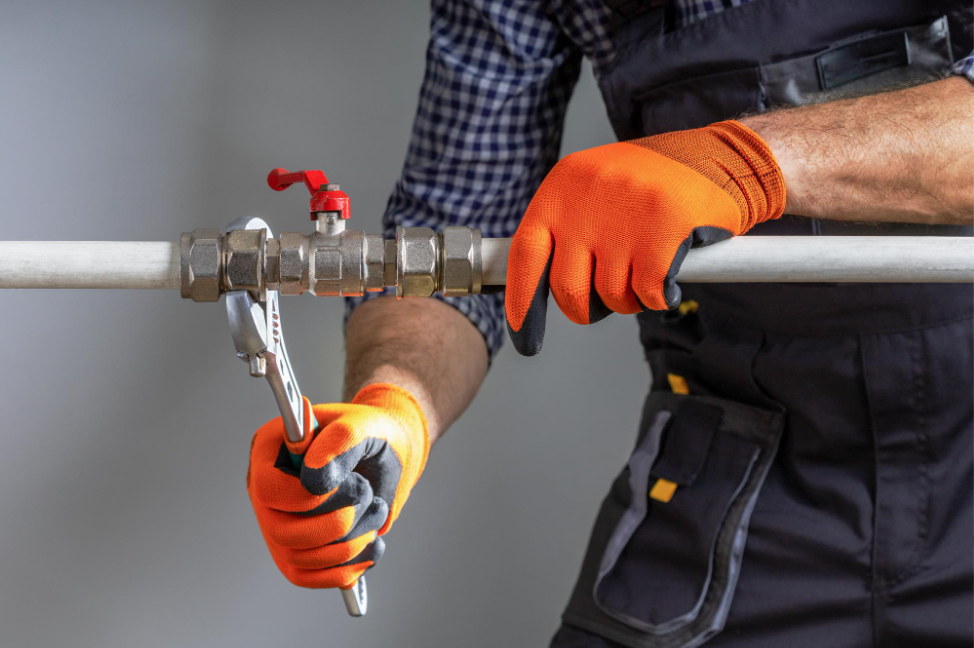
Water line repair and replacement in Kansas City, MO becomes urgent the moment a homeowner notices a soggy patch in the yard that never seems to dry out, or a water bill that climbed for no obvious reason. The main water line is the single pipe every fixture in the house depends on, so a problem there affects everything at once rather than just one sink or shower.
Kansas City's mix of older and newer housing stock means water line problems show up for very different reasons depending on the neighborhood. Homes built before modern plumbing codes often still run on galvanized steel service lines that corrode from the inside out over decades, while newer construction deals more with soil movement, tree root intrusion, or a fitting that was never quite sealed right the first time.
This guide covers what actually causes water line problems in the metro, the signs that point to a failing line, how repair compares to full replacement, and what to look for in a company that gets the job done right.
In this article, you will learn about:
- Signs your water line needs attention
- Repair versus replacement: what's the difference
- The water line replacement process
- Choosing a water line repair company
Keep reading to understand exactly what a failing water line looks like and what your options are once you spot the warning signs.
Signs your water line needs attention
A main water line rarely fails without warning. The signs are often subtle at first, easy to dismiss as something else, which is part of why so many water line problems go unaddressed until they become a genuine emergency.
Learning to recognize these signs early gives a homeowner more options: a targeted repair instead of an emergency replacement, and a controlled timeline instead of a scramble to find a plumber the same day.
Visible signs of trouble
Standing water or an unusually soggy patch in the yard, especially one that doesn't correlate with recent rain, is one of the clearest outdoor signs of a water line leak. The water line typically runs underground between the street and the house, so a leak along that path saturates the soil above it before anything shows up indoors.
A noticeable dip or sunken area in the lawn can also point toward a water line problem, since water escaping underground washes away soil around the pipe over time. In more severe cases, water may actually bubble up to the surface, which usually means the leak has been running for a while already.
- Soggy or unusually green patches of lawn along the likely path of the service line
- Sunken or dipped areas in the yard that weren't there before
- Water pooling near the foundation or the street-side water meter
- Unexplained puddles that reappear even after the ground dries out elsewhere
Indoor signs tend to show up differently, often as a change in how water behaves at the tap rather than anything visible on the ground. Rusty or discolored water when a faucet is first turned on, especially throughout the whole house rather than one fixture, often points toward corrosion somewhere in the main line.
Changes in water quality and pressure
A drop in water pressure that affects the entire house, rather than a single fixture, is one of the strongest indicators of a main line issue. When a leak develops in the service line, water escapes before it ever reaches the house, which reduces the volume and pressure available at every faucet and appliance.
Discolored water, particularly a brown or rust tint that shows up right when a tap is turned on and then clears after running for a moment, often signals internal corrosion in an aging galvanized line. That corrosion narrows the pipe's interior diameter over years, which compounds the pressure problem on top of the water quality issue.
- Note whether low pressure affects one fixture or the whole house
- Run a faucet for 30 seconds and see whether discoloration clears or persists
- Check whether the issue coincides with a recent spike in the water bill
- Listen for unusual sounds, like a hissing or whooshing noise near the water meter
- Compare notes with neighbors on the same street, since some line issues originate at the city main
A whole-house pressure or quality issue that doesn't resolve on its own is a strong enough signal to warrant a professional inspection, even before any visible yard damage appears. Catching the problem at this stage often means the difference between a straightforward repair and emergency excavation.
Unexplained increases in water bills
A water bill that rises without any real change in household water use is a classic early warning sign for an underground leak, since a slow leak in the main line runs continuously, day and night, whether anyone in the house is using water or not.
Comparing several months of bills against the same period from a prior year is the most reliable way to spot this pattern, since a single unusual bill could reflect something else entirely, like a filled pool or extra houseguests. A consistent upward trend with no clear explanation is what points specifically toward a leak.
- Compare the last two to three billing cycles against the same period last year
- Rule out obvious explanations, like new appliances, guests, or seasonal watering
- Watch for a bill that keeps climbing even after ruling out those factors
Left unaddressed, this kind of leak doesn't just waste water. It erodes the soil around the pipe, which can eventually lead to a more serious break or even settling issues near the foundation if the leak runs close enough to the house. Simple habits that help reduce water waste at home won't fix a line leak, but they make an unexplained bill spike easier to notice against a stable baseline.
Repair versus replacement: what's the difference
Not every water line problem requires a full replacement. Understanding the difference between a targeted repair and a complete replacement helps set realistic expectations before a plumber ever arrives.
The right choice generally comes down to how localized the damage is and the overall condition of the rest of the line, not just the specific spot where a leak happens to show up.
When repair makes sense
A repair is usually the right call when the damage is isolated to one specific section of pipe and the rest of the line is in reasonably good condition. A single crack, a joint failure, or damage from an isolated event, like nearby construction work, often falls into this category.
Spot repairs address the specific failure point without disturbing the rest of the line, which keeps both cost and disruption lower than a full replacement. This approach works best when the surrounding pipe material is still structurally sound and isn't showing signs of widespread corrosion.
- A single, isolated leak in an otherwise healthy line
- Damage clearly traced to a specific, one-time event
- A line made of durable, modern material like copper or PEX with an isolated failure point
- A relatively young line with a single point of failure rather than a pattern of problems
A plumber can usually confirm whether a repair is appropriate through a camera inspection, which shows the condition of the pipe well beyond the immediate leak location before any decision gets made.
When replacement is necessary
Replacement becomes the better option once a line shows widespread corrosion, multiple failure points, or is made of an outdated material prone to ongoing problems. Galvanized steel is the most common example in older Kansas City homes, since it corrodes from the inside out over its lifespan in a way that isn't isolated to just one spot. Nationally, the EPA estimates an estimated 4 million lead service lines still serve homes and businesses across the country, a figure that gives a sense of just how much aging service line material remains in the ground even now.
A line experiencing repeated leaks in different locations over a relatively short period usually indicates the pipe itself has deteriorated broadly rather than suffering one bad section. In that scenario, repairing each new leak as it appears ends up costing more over time than addressing the whole line at once, a pattern regulators have recognized too: the EPA estimates the public health and economic benefits of its new service line replacement rule outweigh the costs by as much as thirteen to one nationwide.
- Multiple leaks occurring in different sections over months or years
- A line made of galvanized steel or other outdated, corrosion-prone material
- Significant reduction in interior pipe diameter from decades of mineral or rust buildup
- A line old enough that its remaining useful life is genuinely limited regardless of repairs
The federal government has taken this exact problem seriously at a national level. Under the EPA's Lead and Copper Rule Improvements, finalized in 2024, water systems nationwide must identify and fully replace lead and certain galvanized service lines within 10 years, a reflection of just how widespread aging service line material remains across the country's housing stock. That same rule pairs the mandate with billions in federal funding to help water systems and, in some cases, homeowners offset the cost of the work.
Cost comparison factors
Repair costs are generally tied to the scope of the specific failure: how deep the pipe sits, how accessible that section is, and whether the surrounding landscaping or hardscaping complicates the dig. A shallow, easily accessible repair costs meaningfully less than one requiring excavation under a driveway or mature landscaping.
Replacement costs scale with the length of the line and the method used. Trenchless replacement techniques, which pull new pipe through the ground using the old line's path, often cost less overall than traditional open-trench excavation once the cost of restoring landscaping, driveways, or walkways is factored in.
- Get a written estimate that clearly separates repair-only cost from full replacement cost
- Ask whether trenchless methods are an option for the specific line and soil conditions
- Factor in landscaping, driveway, or walkway restoration if traditional excavation is required
- Consider the likelihood of future repairs on an aging line when weighing repair against replacement
- Confirm whether any local permit fees apply and who handles pulling those permits
A plumber who explains this tradeoff clearly, rather than defaulting to the more expensive option automatically, is one worth trusting with a decision that has real long-term cost implications either way. In a market where the median home value sits close to $243,000, protecting that investment with the right repair or replacement call matters more than chasing the cheapest bid.
The water line replacement process
Understanding what actually happens during a water line replacement helps set expectations for the timeline, the disruption, and what to expect once the crew arrives.
The process generally follows a predictable sequence, though the specific method used, trenchless versus traditional excavation, changes some of the details.
Diagnostic and planning stage
Every replacement starts with confirming the full scope of the problem, typically through a camera inspection that shows the condition of the entire line, not just the section where symptoms first appeared. This step also identifies the exact material, depth, and path of the existing line.
From there, a plumber determines whether trenchless replacement is viable for that specific property, since it depends on soil conditions, existing obstacles, and the layout between the street and the house. Utility locating, confirming where gas lines, electrical conduit, and other buried infrastructure sit, happens before any digging begins.
- Camera inspection to assess the full condition of the existing line
- Utility locating to mark gas, electric, and other buried lines nearby
- Permit application with the city or county, when required
- Selection of trenchless or traditional excavation based on site conditions
Planning done properly at this stage prevents costly surprises once work actually begins, which is part of why a rushed diagnostic process is a red flag rather than a time-saver.
Trenchless replacement methods
Trenchless replacement pulls new pipe through the ground along essentially the same path as the old line, using a small entry and exit point rather than digging up the entire length. This approach has become the preferred method for many residential water line replacements where the yard, driveway, or landscaping would otherwise take significant damage.
Pipe bursting is one common trenchless technique, where a bursting head fractures the old pipe outward while simultaneously pulling new pipe into place behind it. This method works particularly well for replacing older galvanized lines with more durable modern materials like PEX or copper.
Because trenchless methods disturb far less surface area, they typically mean a faster project timeline and significantly less restoration work afterward. The tradeoff is that trenchless replacement isn't viable in every situation, particularly where soil conditions are unstable or where the existing line's path runs through an area that's difficult to access with the necessary equipment.
Traditional excavation methods
Traditional open-trench excavation remains necessary in some situations, particularly when trenchless methods aren't viable due to soil conditions, extreme pipe depth, or significant obstacles along the line's path. This method involves digging a trench along the pipe's full length to expose and replace it directly.
While more disruptive to landscaping and hardscaping than trenchless methods, traditional excavation gives a plumber direct visual access to the entire line, which can be valuable when the condition of the surrounding soil or nearby utilities is uncertain.
- Full excavation exposes the entire line for direct inspection and replacement
- Necessary when trenchless equipment can't access the site or soil conditions don't support it
- Requires more extensive restoration of landscaping, driveways, or walkways afterward
- Sometimes unavoidable for older properties with unusual line layouts or depth
Restoration after traditional excavation is a real part of the project, not an afterthought, and a reputable company accounts for it in the original estimate rather than treating it as a surprise add-on cost once digging is complete.
Choosing a water line repair company
Not every plumbing company has the same level of experience with water line work specifically, and the difference matters more here than with many other plumbing jobs, given the scope and cost involved in getting it wrong.
Homeowners comparing options should look past general plumbing experience and ask pointed questions about water line-specific capability before making a decision.
What to look for in a water line specialist
Experience with both trenchless and traditional excavation methods matters, since a company that only offers one approach may push a homeowner toward a solution that isn't actually the best fit for their specific property. A company confident in both methods can make an honest recommendation based on the situation rather than what they happen to be equipped for.
Licensing and insurance are non-negotiable for work this significant. Water line work often requires permits and inspections, and a licensed plumber understands the local code requirements that govern depth, material, and connection standards for water line repair and replacement work.
- Licensed and insured, with experience specific to water line work
- Offers both trenchless and traditional excavation methods
- Provides camera inspection to properly diagnose the scope of the problem
- Transparent, written estimates before work begins
- Clear communication about timeline and restoration plans
A company that explains why it's recommending one method over another, rather than defaulting to whichever approach is more profitable, tends to be the one worth trusting with a project this significant.
Questions to ask before hiring
A handful of direct questions upfront help separate a company that genuinely specializes in water line work from one that handles it only occasionally. Most experienced companies answer these clearly without hesitation.
Asking specifically about local experience matters here, since water line problems in Kansas City often trace back to specific, regional causes, like older galvanized lines or clay soil movement, that an out-of-area or less experienced company might not immediately recognize.
- Do you offer both trenchless and traditional excavation methods?
- How do you determine which method fits a specific property?
- What does your estimate include, and does it cover restoration after the work is done?
- Are you licensed and insured for this type of work in Missouri?
- What warranty do you offer on the new line and the workmanship?
A company that answers all five with specifics, rather than vague reassurances, is generally the safer choice for a project of this scope and cost.
The value of local expertise
A plumber who has handled water line work across the Kansas City metro specifically understands patterns that a company without local experience simply hasn't encountered as often: which neighborhoods still run galvanized service lines nearing the end of their lifespan, and how the region's clay soil and freeze-thaw cycles stress buried pipe differently than in other parts of the country.
That local pattern recognition shows up in faster, more accurate diagnosis and a more confident recommendation between repair and replacement. A technician who has already replaced dozens of similar lines in homes around Overland Park or Lee's Summit brings that experience directly to the next job, wherever it happens to be in the metro.
Benjamin Franklin Plumbing of Kansas City brings that kind of hands-on, local experience to every residential plumbing call across the metro, from Kansas City proper out to Blue Springs, Independence, and Gladstone. Olathe and Greenwood homeowners get the same trained team and the same careful diagnostic process, since water line work demands the same level of care no matter which side of the metro a home sits on.
Conclusion
A water line problem rarely announces itself clearly at first, which is exactly why recognizing the early signs, a soggy yard, unexplained low pressure, a climbing water bill, matters so much. Catching a problem early gives homeowners real options: a targeted repair instead of an emergency, and time to choose the right method rather than settling for whatever's fastest.
Kansas City's mix of aging galvanized lines and newer construction means water line problems can trace back to very different causes depending on the home, which is exactly why a proper diagnostic process, not a guess, should drive the decision between repair and replacement. Whether trenchless or traditional excavation makes more sense depends on the specific property, and a company that explains that reasoning clearly is one worth trusting.
Benjamin Franklin Plumbing of Kansas City brings licensed, experienced technicians and both trenchless and traditional excavation capability to every water line call across the metro. If you've noticed any of the warning signs of a failing water line, Benjamin Franklin Plumbing of Kansas City is ready to help you sort out the right fix for your home.

 Your Privacy Choices