Water waste is a serious problem, especially when you consider how important clean water is for your home, community, and everyday routines. Changing your habits can help reduce your water consumption. There are also various plumbing upgrades and fixes that can further reduce water waste. This includes things like upgrading old fixtures, watching for leaks, and scheduling repairs as soon as you notice a problem.
Monitor Faucets, Showerheads, and Toilets for Leaks
Dripping faucets and showerheads or leaky toilets that run on their own can waste more water than you may think. A leaky faucet or showerhead that drips one drop per second can waste more than 3,000 gallons of water per year. While a single drip may not seem like much, it adds up over time. This is especially true if you have multiple leaky fixtures.
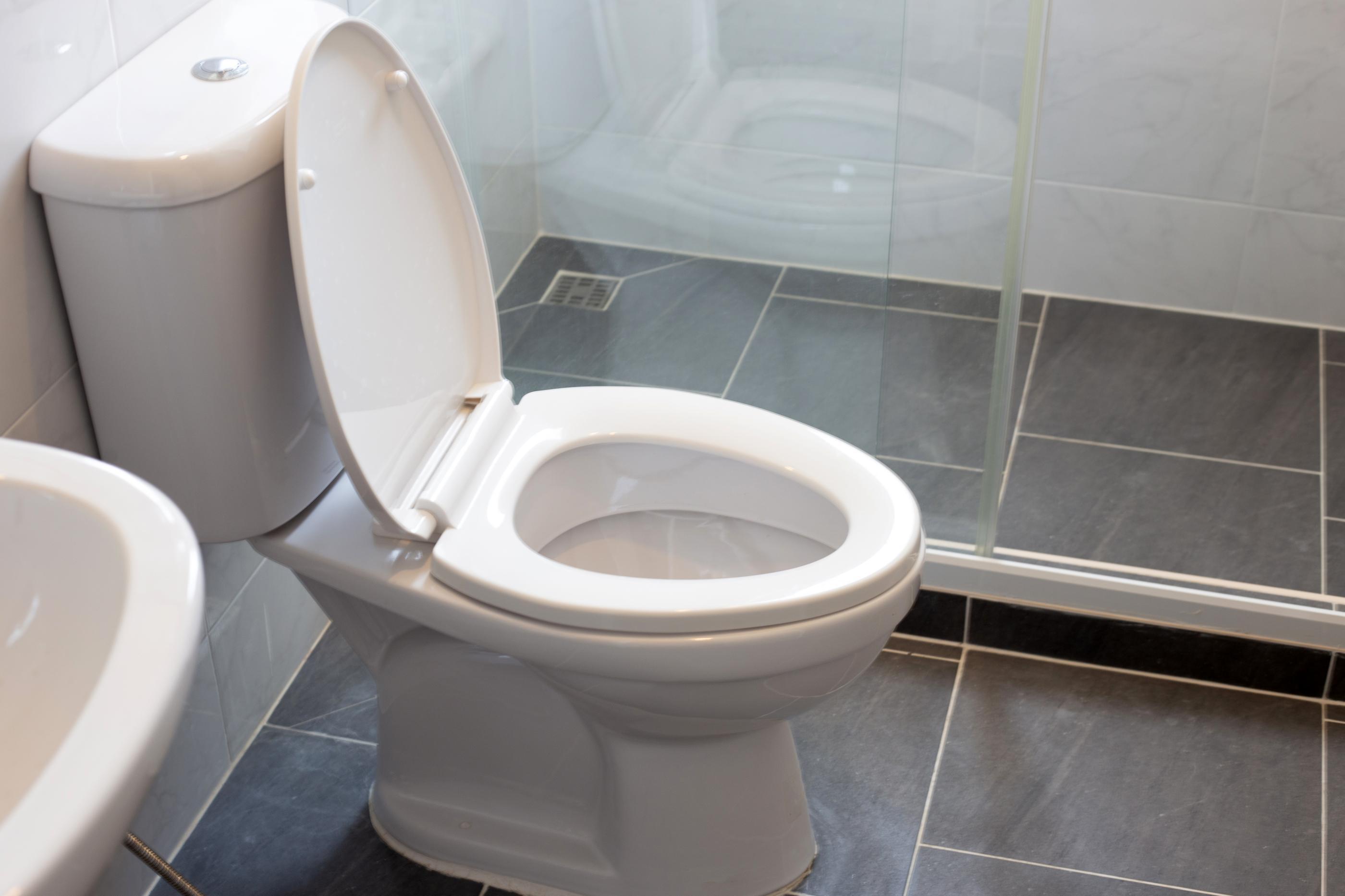
A leaky toilet is an even bigger contributor to water waste. Toilets most commonly leak because the rubber flapper no longer seals the tank properly. This results in some water draining out of the tank into the bowl. Once the water level in the tank gets too low, the toilet automatically starts running to refill the tank. This is often what people mean when they say a toilet is “phantom flushing.”
Depending on how much water is leaking out of the tank, this issue can waste dozens or even hundreds of gallons a day. If a toilet runs continuously without the water shutting off, it can waste a significant amount of water in a short period of time.
If you ever hear a toilet running on its own or phantom flushing, it is a sign that it may have a leak. You can also test for a leak by putting food coloring in the tank. After waiting for around 10 minutes, check whether the water in the bowl has color in it. If the problem is a leaky flapper, you may be able to replace the flapper yourself to fix the leak. Make sure to flush afterward so the coloring does not stain the bowl.
A leaky faucet or showerhead is sometimes easy to fix, depending on which internal component is worn or damaged. The problem is that it can be difficult to determine the specific cause, which is why you may be better off calling a plumber.
Switch to Low-Flow Fixtures and Dual-Flush Toilets
Federal efficiency standards have limited how much water many plumbing fixtures can use since the 1990s. There are limits on how many gallons of water per minute faucets and showerheads can use, and there is also a limit on how many gallons toilets can use per flush. Nonetheless, many older homes still have outdated fixtures that use more water than newer high-efficiency models. Replacing old fixtures is one of the easiest and most effective ways to reduce waste and conserve water.
The maximum flow rate for standard showerheads is 2.5 gallons per minute, while WaterSense-labeled showerheads use no more than 2 gallons per minute. If you replace an older or standard showerhead with a WaterSense-labeled model, you can reduce water use with every shower without sacrificing performance.
Toilets manufactured before the federal efficiency standards took effect often use much more water per flush than newer models. Newer toilets use no more than 1.6 gallons per flush, while WaterSense-labeled toilets use 1.28 gallons per flush or less. By replacing an old toilet, you can use far less water each time you flush.
While a high-efficiency toilet is a good option, a dual-flush toilet can help you save even more water in some households. These models have two flush modes, one for liquid waste and one for solid waste. The lower flush option uses less water, which can add up over time depending on the size of your household and your daily habits.
Insulate Exposed Hot Water Lines
When you turn on the shower or go to wash your hands, you often have to wait before hot water starts flowing. As soon as you turn off the shower or faucet, the water within the hot water lines that feed the fixture starts cooling down. The hot water flowing through the lines can also lose some heat as it travels through cold or unconditioned areas.
Depending on how far away the fixture is from the water heater, you may have to let the water run for a while before it is finally hot. This wait time wastes water, especially at fixtures that are used several times a day.
Insulating exposed hot water lines in your house is another simple way to reduce heat loss. Insulation helps the water within the pipes stay warmer for longer and can reduce some of the wasted water that comes from waiting for hot water. It may not eliminate the wait entirely, especially in larger homes or at fixtures far from the water heater, but it can still support better plumbing efficiency. If long hot water wait times are a major issue, a plumber can also discuss whether other solutions, such as a hot water recirculation system, make sense for your home.
Replace an Outdated Dishwasher or Washing Machine
Modern washing machines and dishwashers are far more efficient than many older units, meaning they often use much less water. Older top-load washers with agitators are especially inefficient compared with many newer models. ENERGY STAR-certified front-load washers use significantly less water and energy than traditional top-load agitator washers, which can help reduce the amount of water you use for laundry.
Replacing an old dishwasher can also save water, but how much depends on how old the unit is and how often you use it. Many newer dishwashers are designed to clean effectively while using far less water than older models. If your dishwasher is outdated, leaking, or no longer cleaning well, upgrading to a more efficient model may help reduce waste while also improving convenience.
Install a Smart Water Leak Detector
Plumbing leaks are one of the biggest contributors to water waste. Installing a smart water leak detector can be a smart investment because it can alert you to signs of a leak before the problem gets worse. This may include a running toilet, dripping fixture, appliance leak, or pipe leak. Not only does this help reduce unnecessary water waste, but it can also help prevent a leak from causing major water damage.
Different leak detectors work in different ways. Some are small point-of-use sensors that detect water in specific areas, such as under sinks, near water heaters, or behind washing machines. Others are whole-home water monitoring systems that track water flow and can identify unusual usage patterns that may indicate a leak.
If the device detects a problem, it may send a notification to your phone. Some advanced models can even automatically shut off the water to the house when a major leak is detected. Another benefit is that some connected systems allow you to monitor your water usage through an app. This can make it easier to spot unusual changes and identify ways to adjust your habits to conserve water.
If you're searching for a dependable, local plumber, Benjamin Franklin Plumbing® in Kansas City is the company to call. From leak detection and repairs to fixture replacements and plumbing upgrades, we have all your needs covered. To get help finding ways you can reduce water waste in your Kansas City home, contact us today.

 Your Privacy Choices