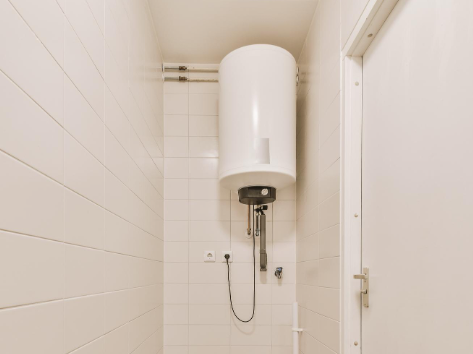
Water heater repair in Johnson County, KS, can restore reliable hot water when a thermostat, heating element, burner, ignition component, valve, or other serviceable part fails. The right fix begins with identifying whether the problem is an isolated component, a capacity mismatch, or deterioration of the tank itself.
No hot water is inconvenient, but leaking water, combustion concerns, and an open relief valve can also create safety or property risks. Shut the system down when conditions are unsafe and avoid adjusting gas, electrical, or pressure-control components without the training to do so.
Benjamin Franklin Plumbing® of Kansas City services conventional tank, tankless, hybrid heat pump, solar, combination boiler, point-of-use, and condensing systems. Its water heater services include diagnosis, repair, maintenance, installation, and replacement across the Kansas City area.
In this article, you will learn about:
- Which water heater symptoms need professional attention?
- What does a plumber check during water heater repair?
- When does replacement make more sense than repair?
- How can Johnson County homeowners prevent repeat problems?
Keep reading to understand what your symptoms may mean and make a safer decision about repair or replacement.
Which water heater symptoms need professional attention?
Water heater symptoms often overlap. Lukewarm water can come from a failed element, incorrect control setting, sediment, a broken dip tube, high household demand, or a unit that was never sized for the current home.
The pattern provides valuable clues. Note whether the problem is constant or intermittent, whether it affects every fixture, and whether the unit leaks, makes noise, displays a code, or stops during high-use periods.
Why is there no hot water or not enough?
An electric storage heater may stop heating when an element, thermostat, breaker, wire, or safety cutoff fails. A gas model may have trouble with ignition, the burner, gas supply, thermocouple or flame-sensing components, controls, or venting.
Tankless and heat pump units add other possibilities, including flow sensors, filters, fans, compressors, heat exchangers, and diagnostic controls. Record any error code before resetting the equipment because the code can help the plumber narrow the cause.
The most common symptom patterns include the following:
- No hot water at any fixture.
- Water starts hot but turns cold sooner than it used to.
- Temperature changes sharply during normal use.
- Recovery takes much longer after showers or laundry.
- A tankless unit goes cold at low flow or during simultaneous demand.
- A breaker trips, the burner stops, or an error code returns.
A unit that still heats but cannot support the household may not be broken. Changes in occupancy, a larger tub, a high-flow shower, back-to-back use, or simultaneous appliances can push demand beyond the heater's recovery or delivery capacity.
The causes behind a water heater that cannot keep up with demand should be evaluated before replacing parts. Sizing, controls, sediment, and household routines can produce similar complaints.
What do popping, rumbling, or unusual odors mean?
Popping or rumbling in a storage tank can occur when water heats beneath accumulated sediment. The sound does not identify the severity by itself, but it is a reason to assess maintenance history, efficiency, and tank condition.
Clicking during normal ignition or expansion can be harmless on some models. Grinding, repeated failed ignition, loud banging, or a new mechanical sound deserves diagnosis, especially when performance changes at the same time.
Hot-water odor or discoloration can involve the water supply, anode rod, tank sediment, plumbing material, or microbial activity. Compare hot and cold water at more than one fixture before assuming the heater is the source.
Water chemistry varies by provider and property in Johnson County. Recognizing hard water signs can help explain scale on fixtures and heating surfaces, but hardness alone does not prove the heater has failed.
Which leaks and safety signs cannot wait?
Water around the unit may come from a connector, valve, fitting, drain, relief discharge, condensation, or the tank shell. Dry the area when safe, then watch where fresh water first appears instead of assuming every puddle requires full replacement.
A leaking tank body is different from a repairable external connection. Corrosion perforating the storage tank usually means the tank cannot be restored reliably and replacement needs to be discussed.
Act promptly when water is spreading and the nearest shutoff will not stop it, the relief valve discharges continuously, or the tank is bulging or leaking through a corroded shell. Keep away from water that is approaching electrical equipment or energized appliances.
Gas odor, soot, scorching, melted wiring, repeated breaker trips, and suspected venting trouble also require immediate caution. Do not keep operating equipment that presents a combustion or electrical safety concern.
If you smell gas, leave the area without operating switches or creating a spark and contact the gas utility or emergency services from a safe location. A plumbing appointment is not a substitute for immediate utility or public-safety response.
For uncontrolled water or urgent scheduling support, contact the team about emergency plumbing services. The Kansas City unit answers calls 24/7 to assist with scheduling, although its local FAQ notes that it does not provide true emergency dispatch.
What does a plumber check during water heater repair?
A water heater diagnosis starts with the symptom, model, fuel or energy source, installation, and maintenance history. The plumber then tests the components that could cause the reported behavior instead of replacing parts by guesswork.
Safety comes first. Gas supply, electrical power, venting, combustion air, water temperature, pressure, relief protection, and signs of leakage all influence what can be tested and whether the unit should remain in service.
How are power, fuel, and controls tested?
For electric models, the inspection may include the breaker, disconnect, wiring, thermostats, heating elements, and high-temperature cutoff. Electrical testing should be performed with appropriate instruments and safe isolation because the unit may contain line voltage even when it is not heating.
For gas units, the plumber evaluates ignition, burner operation, controls, flame characteristics, gas connections, and venting conditions within the service scope. A flame that repeatedly goes out is a symptom, not a reason to bypass a safety device.
Tankless and heat pump models can store diagnostic codes that point toward flow, temperature, fan, compressor, sensor, or control problems. Manufacturer procedures help determine whether the code reflects a failed component, maintenance need, installation condition, or temporary interruption.
An experienced plumbing repair service should explain what failed, how the finding was confirmed, and what testing will verify the repair.
Why are valves, venting, and the tank inspected together?
The heater operates as part of a system. Water pressure, expansion, shutoff condition, relief protection, venting, drainage, and connections can affect safety and performance even when the heating component works.
The temperature and pressure relief valve is a safety device, not a routine control. Continuous discharge may indicate valve trouble, excessive temperature, excessive pressure, thermal expansion, or another condition that needs proper diagnosis.
A typical inspection may move through these steps:
- Confirm the symptom, model information, fuel type, and maintenance history.
- Check for active leaks, corrosion, unsafe wiring, gas concerns, and venting problems.
- Measure water temperature and review pressure or expansion conditions when relevant.
- Test controls, ignition, heating components, sensors, and safety devices as appropriate.
- Inspect accessible valves, connectors, drains, and hot- and cold-water piping.
- Explain the confirmed fault and compare repair with replacement when necessary.
- Complete the approved work and test normal operation afterward.
The order changes with the equipment and symptom. A leaking gas tank calls for a different first response than an electric unit that produces lukewarm water without any moisture.
Homeowners should not cap a relief line, defeat a cutoff, or keep resetting a breaker that trips. These actions can conceal the warning without correcting the condition that triggered it.
Could the problem be outside the water heater?
Yes. A failed shower cartridge can mix cold water into the hot side, a plumbing crossover can affect several fixtures, and a long uninsulated pipe run can delay delivery even when the heater operates correctly.
Low incoming pressure, restricted piping, a partially closed valve, or recirculation trouble can also change hot-water performance. The plumber may compare temperature and flow at the unit with results at the fixtures.
Household demand matters as well. The U.S. Department of Energy defines a storage heater's first-hour rating as the maximum gallons of hot water it can supply during an hour that begins with the tank fully heated.
First-hour rating is different from tank volume. A heater can have water in the tank yet still fall behind if the combined demand exceeds its usable hot-water delivery and recovery.
When does replacement make more sense than repair?
Repair is often reasonable when a serviceable component has failed and the tank, heat exchanger, or core equipment remains in sound condition. Replacement becomes more compelling when the vessel leaks, corrosion is widespread, parts are unavailable, or repair history and operating cost keep climbing.
Age informs the conversation but does not decide it. Maintenance, water quality, installation, demand, product design, and operating conditions can shorten or extend how long a particular unit serves the home.
How should age and repair history influence the choice?
Start with the model and serial number, installation date, warranty, and service record. A newer unit with one failed thermostat deserves a different analysis from an older tank that has leaked, lost capacity, and required repeated components.
The Department of Energy describes general service-life expectations of up to 20 years for tankless equipment and about 10 to 15 years for tank-type water heaters. These are planning ranges, not expiration dates or guarantees.
Compare the confirmed repair cost with the unit's condition and likely next needs. A lower repair price may still be poor value when corrosion or multiple aging components make another failure likely.
A practical repair-or-replace comparison should include reliability, capacity, efficiency, warranty, installation requirements, and how long you expect to remain in the home.
Can a leaking tank be repaired?
External leaks at threaded connections, shutoff valves, flexible connectors, drain valves, and some replaceable components may be repairable. The first task is to trace the water to its actual starting point.
Water emerging through a corroded tank shell or failed internal vessel usually means replacement. A patch does not restore the pressure vessel's integrity or address corrosion elsewhere in the tank.
Do not confuse normal condensate from certain high-efficiency equipment with a storage-tank leak. Condensate should follow a designed drainage path, while water appearing outside that system deserves investigation.
Prompt leak repair protects flooring, walls, and nearby belongings even when the heater itself must be replaced. Ask whether the plumbing scope includes water removal or finish restoration, because those services may be separate.
When is an efficiency upgrade worth considering?
Replacement creates an opportunity to compare standard storage, tankless, condensing, and heat pump options that fit the home's energy source, space, venting, electrical service, and hot-water demand. The most efficient model on paper may require upgrades that affect the project cost.
Energy use matters because water heating is a recurring household expense. The Department of Energy estimates that water heating accounts for about 12% of a typical home utility bill.
For households replacing a standard electric tank, an ENERGY STAR heat pump model may offer meaningful operating savings. ENERGY STAR estimates about $550 in annual electricity savings and $5,610 over a 13-year assumed life for a household of four, based on its stated energy-price and incremental-cost assumptions.
Those national estimates are not a quote for a Johnson County home. Local utility rates, installation location, household size, hot-water use, climate, electrical work, and available incentives determine the actual result.
How can Johnson County homeowners prevent repeat problems?
Maintenance cannot prevent every component failure, but it can reveal leaks, venting concerns, corrosion, scale, and weakening valves before hot water stops completely. The correct tasks and intervals depend on the equipment and manufacturer instructions.
Johnson County homes may place heaters in basements, utility rooms, garages, closets, or finished areas. Location affects drainage, combustion air, heat pump airflow, freeze exposure, access, and the amount of damage a leak could cause.
What maintenance deserves a place on the calendar?
Check around the unit periodically for moisture, corrosion, soot, damaged wiring, blocked vents, or changes in sound. Keep stored items away from combustion equipment and maintain the clearances required by the manufacturer.
Tank flushing, anode inspection, filter cleaning, descaling, condensate maintenance, and relief-device inspection vary by model and water conditions. Follow the manufacturer rather than assuming every heater needs the same annual procedure.
Routine plumbing maintenance can include accessible connections and shutoffs around the heater. A working shutoff becomes especially important when a leak starts.
Repairing dripping hot-water fixtures also reduces unnecessary heater runtime. Simple efforts to reduce water waste can lower both water use and the energy needed to heat water that never serves the household.
Homeowners in Overland Park and nearby communities should also verify that the heater's drainage plan fits its location. A pan or drain that cannot carry water to an appropriate discharge point provides little protection during a tank leak.
What temperature balances comfort and safety?
Temperature should be measured at the tap because control labels and actual delivery can differ. Mixing valves, long pipe runs, recirculation, and control calibration can all affect the result.
The U.S. Consumer Product Safety Commission says most adults can suffer a third-degree burn from 150-degree Fahrenheit water in 2 seconds, while 120-degree water can cause a third-degree burn after about 5 minutes of exposure. It notes that a 120-degree thermostat setting may be needed to reduce most residential tap-water scald injuries.
Some households and systems need individualized temperature guidance because of health, sanitation, equipment, or code considerations. Ask a qualified professional about storage temperature and point-of-use protection rather than changing safety controls blindly.
After a repair, confirm stable temperature at more than one fixture. A sudden increase may indicate a control issue or mixing problem that still needs attention.
What should you ask before approving service?
Ask the plumber to name the failed component and explain the evidence. A written price should distinguish repair from replacement and identify any related plumbing, gas, venting, electrical, permit, or restoration work.
Clear questions make the recommendation easier to evaluate:
- What caused the symptom, and how was it confirmed?
- Is the tank or heat exchanger still structurally sound?
- Does the repair address the root cause or only restore operation temporarily?
- Are parts available, and what warranty covers the repair?
- Does the unit still match the household's peak hot-water demand?
- What installation changes would a replacement require?
- How will the completed work be tested?
If replacement is recommended, compare complete installed scopes rather than equipment prices alone. Venting, electrical capacity, condensate drainage, gas sizing, water connections, permits, removal, and commissioning can all affect the work.
Homeowners in Leawood and other Johnson County communities should compare the complete written scope before approving service.
Current special offers may apply to qualifying work. Confirm the terms and eligibility when scheduling.
In Prairie Village homes with finished basements or compact utility closets, access and drainage protection may affect the installation plan. Those property details belong in a complete repair or replacement proposal.
Conclusion
Water heater repair begins with a diagnosis, not a guess based on one symptom. Controls, heating components, ignition, valves, venting, demand, and plumbing outside the unit can all affect hot-water performance.
Repair makes sense when the fault is serviceable and the core equipment remains sound. A leaking tank, serious corrosion, repeated failures, poor capacity, or high operating cost can make replacement the more dependable choice.
Document error codes, leak location, temperature changes, and maintenance history before the appointment. Clear evidence helps the plumber identify the cause, explain the options, and test the completed work properly.
For priority scheduling, annual plumbing safety checks, and member repair benefits, review the Benjamin Franklin Plumbing® of Kansas City Club Membership Program.

 Your Privacy Choices