
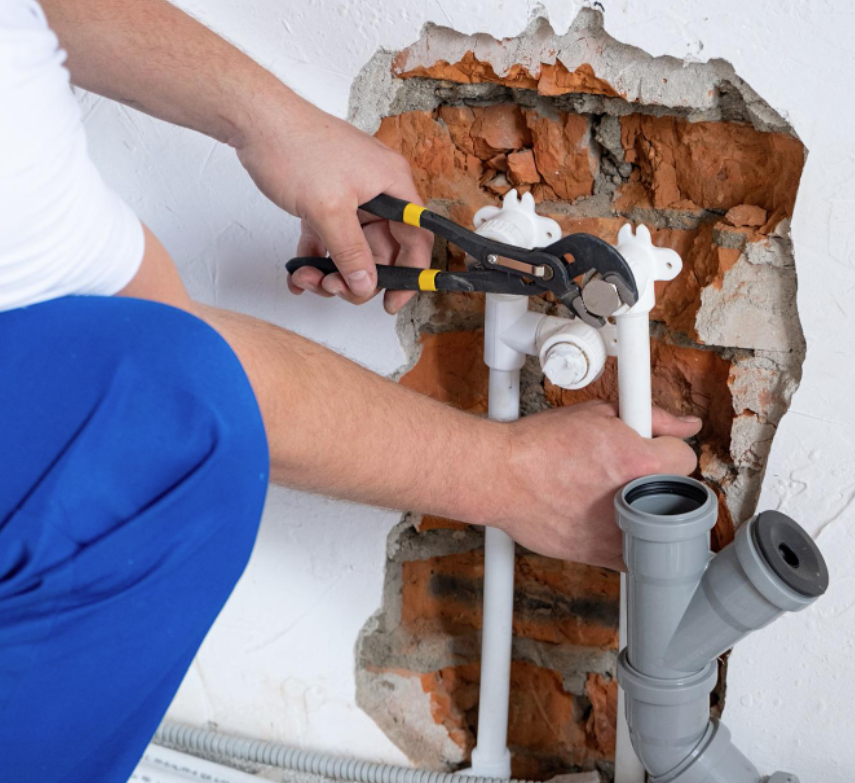
Repiping in the Northland, MO, replaces part or all of a home's aging or damaged plumbing lines. It can solve widespread leaks, corrosion, restricted flow, and other pipe problems that a series of small repairs will not resolve for long.
That does not mean every drip or weak shower calls for a whole-home project. Low pressure can come from a valve, fixture, municipal supply issue, or hidden leak. Discolored hot water may begin in the water heater rather than in every pipe behind the walls.
The useful question is whether the problem is isolated or systemic. A thorough evaluation from a Kansas City plumbing company can identify the pipe material, map the affected areas, and show whether repair, partial repiping, or whole-home repiping is the sensible next step.
In this article, you will learn about:
- When repeated plumbing trouble points to a repipe
- How a plumber confirms which pipes actually need replacement
- What shapes a repiping plan for a Northland home
- What to expect before, during, and after pipe replacement
Keep reading to understand what a well-planned repipe should fix and how to avoid replacing more plumbing than necessary.
When repeated plumbing trouble points to a repipe
Repiping becomes a practical conversation when failures appear in different parts of the same system. One corroded fitting may need a repair, while leaks in several rooms can indicate that the pipe material itself is deteriorating.
Look at the pattern, frequency, and location of each problem. Those details help distinguish a serviceable system with one weak point from a network approaching the end of its useful condition.
Leaks keep appearing in different places
A stain under one sink may come from a loose connection or worn supply tube. New leaks in walls, ceilings, a basement, and multiple fixture connections over a short period tell a different story.
Repeated openings and patches can become disruptive even when each individual leak seems manageable. Professional leak repair remains appropriate for isolated damage, but the inspection should consider the rest of the same pipe material when failures spread.
The U.S. Environmental Protection Agency reports that an average family can lose 180 gallons per week, or 9,400 gallons per year, through household leaks. That national figure includes fixable fixture leaks, so high use alone does not prove that a home needs repiping.
Check the meter when no fixtures or appliances are running and compare bills with the same season in prior years. A continuing change provides evidence of unintended flow, while moisture mapping and targeted testing help locate its source.
Pressure drops throughout the house
Low flow at one faucet often points to a clogged aerator, failing cartridge, or local shutoff problem. Weak flow at several fixtures, especially on both hot and cold sides, can indicate restriction inside older supply lines or a problem near the main entry.
Pressure and flow are related but not identical. Static pressure may test normally while internal corrosion narrows the available passage and starves fixtures when more than one is used.
Common whole-system clues include:
- A shower weakens sharply when a toilet, washer, or another faucet runs.
- Both upper and lower floors have poor flow at multiple fixtures.
- Cleaning aerators does not produce a lasting improvement.
- Accessible pipe shows corrosion, staining, scaling, or previous patches.
- The problem affects both older and recently replaced fixtures.
A plumber should still rule out the pressure regulator, main shutoff, meter-side issue, and active leak before recommending new lines. EPA WaterSense recommends incoming pressure between 45 and 60 pounds per square inch, and a reading outside that range can direct the diagnosis.
The pattern described in a low water pressure evaluation matters more than a homeowner's impression at one faucet. Repiping should address confirmed internal restriction, not compensate for a supply or regulator problem elsewhere.
Water color, taste, or temperature changes persist
Rust-colored water can be associated with corrosion in galvanized piping, but the timing matters. Discoloration that appears only on the hot side may originate in the water heater, while a neighborhood-wide event may come from utility work or hydrant flushing.
Recurring metallic color from both hot and cold fixtures deserves a closer look at the interior supply system. Accessible pipe condition, water samples, and fixture-by-fixture observations can help identify whether old lines are contributing material to the water.
Hard water also needs careful interpretation. Mineral scale can restrict fixtures and contribute to buildup, but signs of hard water do not automatically mean the supply piping must be replaced.
If only the hot supply is affected, inspect the water heater and its nearby connections before expanding the scope. A correct diagnosis keeps an appliance problem from becoming an unnecessary whole-home project.
How a plumber confirms which pipes actually need replacement
A repiping estimate should begin with system information, not a predetermined material or sales package. The plumber needs to know where the lines run, which fixtures they serve, and where symptoms occur.
The inspection may include visual checks, pressure readings, fixture tests, meter observations, moisture detection, and limited access to concealed areas. Together, those findings define the part of the system that is failing.
The pipe map separates one branch from the whole system
Homes are often altered over time. A Northland property may contain original galvanized sections, later copper additions, newer plastic pipe near a remodel, and flexible fixture connectors installed at different dates.
That mixed history can make a partial repipe more logical than replacing every accessible line. It can also reveal that a recently renovated room still depends on an older trunk line feeding the entire floor.
The plumber should identify several system details before recommending scope:
- Visible pipe materials and transitions between them.
- The route from the main shutoff to fixture groups.
- Which symptoms affect hot lines, cold lines, or both.
- Pipe sections in exterior walls, crawl spaces, or other cold areas.
- Previous repairs, abandoned lines, and planned remodel work.
This map helps distinguish a bathroom branch problem from deterioration across the distribution network. It also creates a plan for maintaining service to as much of the house as possible while work progresses.
The condition behind one wall does not prove that every line matches it. Strategic access and a complete history produce a more defensible recommendation than assuming the home's construction year tells the whole story.
Testing identifies leaks, restrictions, and pressure problems
Visible corrosion is useful evidence, but concealed pipe needs indirect testing. Static and flowing pressure readings show how the system responds when one or several fixtures operate.
A meter test can reveal continuous consumption, while moisture tools help narrow the search before walls are opened. If a leak is sudden and active, emergency plumbing service may be needed to stop damage before a broader repiping decision is made.
EPA guidance says a family of four with no outdoor winter use may have a serious leak when monthly consumption exceeds 12,000 gallons. That winter-use benchmark is a screening clue, not a repiping threshold, because toilets, irrigation errors, and appliances can also waste water.
Testing should answer two separate questions: where is water escaping, and why did the pipe fail? High pressure, freezing exposure, poor support, incompatible connections, installation defects, or broad material deterioration can require different corrections.
Fixtures and equipment must be ruled out first
Mineral deposits inside an aerator can imitate restricted piping. A failing pressure regulator can affect the entire home, and a water heater can create rusty hot water or a long wait that looks like a distribution problem.
The diagnostic process should isolate fixtures and appliances before walls are opened. Sometimes plumbing repairs at a valve, regulator, or connection restore performance without replacing a full run.
Hot-water complaints deserve their own test. A unit that is undersized, scaled, or failing may explain why the water heater is not keeping up, while a long or poorly planned pipe route may explain why hot water arrives slowly.
Separating these causes protects the project scope. Repiping can improve distribution when old lines are restricted or poorly routed, but it cannot correct every pressure, temperature, or water-quality concern by itself.
What shapes a repiping plan for a Northland home
Once the failing section is known, the plan must fit the house. Pipe material, sizing, routing, fixture count, access, and local code requirements all influence the work.
The best plan is specific enough to compare. It should state which lines will be replaced, which will remain, how transitions will be made, and what wall or ceiling restoration is included.
Partial and whole-home projects solve different patterns
Partial repiping replaces a defined branch, zone, or material while keeping the sound portions of the system. It can fit a remodeled bathroom, a damaged hot-water run, or a problem confined to one floor.
Whole-home repiping is more appropriate when the same failing material serves most fixtures or when repeated leaks show that isolated patches no longer provide dependable service. Benjamin Franklin Plumbing® of Kansas City handles both whole-home and partial work through its residential plumbing services.
Compare the options using the same questions:
- Which existing lines will remain active after the project?
- Are those remaining lines made from the same material that is failing elsewhere?
- Will the new route support planned bathroom, kitchen, or laundry changes?
- Where will old and new materials connect?
- What access and finish repair does each scope require?
A partial project should not simply move the next weak point to a concealed transition. The plumber should explain why the remaining system is expected to stay serviceable.
A whole-home project should be equally disciplined. Replacing sound drain or sewer piping is not implied by replacing pressurized water-supply lines, and the written scope should make that boundary clear.
Material choice follows the house and local requirements
Modern residential repiping commonly uses copper or an approved cross-linked polyethylene system. Each has installation requirements, fitting systems, routing characteristics, and protection needs.
Material should be selected with local code, water conditions, pipe location, pressure, electrical bonding considerations, and manufacturer specifications in mind. A blanket claim that one material is best for every Northland home is not credible.
Ask how the proposed system will be sized for simultaneous fixture demand and divided into useful service zones. Support, expansion, protection at framing penetrations, and accessible shutoff valves should be part of the design rather than improvised during installation.
The plan should also address freeze protection in exterior or unconditioned spaces and approved transitions to any pipe that remains. These details affect reliability regardless of which replacement material is selected.
The National Weather Service's 1991 to 2020 Kansas City normals show December daily lows falling from about 28 degrees early in the month to the low 20s later in the month, with average snowfall of 4 inches. Those December climate normals support careful routing and insulation around vulnerable Northland spaces.
Repiping can reduce weak sections, but no material makes poor placement harmless. Homeowners should continue to keep pipes from freezing after installation, especially around crawl spaces, garages, exterior walls, and hose connections.
Layout affects hot-water speed and energy loss
A repipe is an opportunity to evaluate more than pipe material. Long runs, oversized hot-water lines, and an inefficient route can increase the wait at distant fixtures and leave more heated water cooling between uses.
EPA WaterSense says an efficient design can limit stored water to no more than 0.5 gallons between the hot-water source and a fixture. That is a program design target, not a requirement for every existing Northland house, but it shows why route length and diameter deserve attention.
The U.S. Department of Energy reports that heat loss from uninsulated hot-water distribution piping can range from 16% to 23%, depending on climate. Its guidance says adding three-quarter-inch pipe insulation can reduce overall water-heating energy use by 4% to 5% annually.
Discuss insulation, fixture distance, and whether a demand-initiated recirculation approach makes sense for the layout. New piping will not improve delivery as much as it could if the route recreates the same avoidable delay.
What to expect before, during, and after pipe replacement
Repiping is coordinated work inside an occupied home. A clear schedule, access plan, water shutdown plan, and restoration scope make the process easier to manage.
The contractor should explain what the household needs to move, which rooms will be entered, and when water service will be unavailable. Surprises are reduced when those details are documented before work starts.
Scope and access are settled before walls open
The plan should identify the main entry, water heater connections, fixture groups, shutoff locations, and the likely access points. Small, deliberate openings usually provide a cleaner route than reacting one wall at a time.
Permit and inspection requirements depend on the service address. A home in Kansas City, MO follows its applicable municipal process. A property in Gladstone may have different requirements. Nearby Riverside can have its own requirements as well.
Clarify the boundaries of the proposal before work begins. Pipe installation, drywall patching, texture, paint, cabinet access, tile work, and moving stored belongings may be handled differently from one project to another.
The home may also contain non-plumbing obstacles, including electrical wiring, ducts, insulation, blocking, and finished built-ins. An access plan should protect those systems and identify any specialty work that falls outside the plumbing scope.
Installation is sequenced around water service
Crews commonly work by zones so old pipe can be disconnected and new runs can be installed in a controlled order. The exact sequence depends on the house, accessibility, and whether part of the existing system must remain active.
Fixtures and appliances need secure reconnection, and new lines need appropriate flushing and testing before walls close. Bathroom plumbing connections deserve the same attention as the main trunks because a weak stop valve or supply connection can undermine an otherwise sound installation.
Before completion, confirm that the agreed work has been addressed:
- Hot and cold fixtures operate with stable flow.
- Shutoff valves are accessible and labeled where appropriate.
- Pipe is supported and protected at penetrations.
- Water-heater connections and relief components are undisturbed and sound.
- Openings, cleanup, and finish restoration match the written scope.
If the water heater is already near a decision point, coordinate the projects instead of redesigning connections twice. The factors involved in repairing or replacing a water heater remain separate from whether the home needs repiping.
Test several fixtures at once after the installation. That final check is more informative than opening one faucet because it shows how the new distribution system behaves under realistic household demand.
Records and seasonal checks protect the new system
Keep the proposal, permit records, inspection approvals, material information, photos, and warranty documents together. Marking concealed routes before walls close can also help with future remodeling or repairs.
Continue watching bills and the meter after the work. A new distribution system does not prevent a toilet, irrigation line, appliance hose, or outdoor faucet from developing its own leak later.
Seasonal plumbing maintenance should include visible connections, shutoff valves, exterior penetrations, and pipe insulation. Practical water-waste reductions can make abnormal use easier to spot.
For winter, use a complete freeze-defense checklist rather than assuming a repipe eliminates cold-weather risk. Current special offers may be relevant when planning eligible plumbing work.
Conclusion
Repiping should resolve a documented system problem, not serve as a catch-all answer for every leak, pressure complaint, or water-quality concern. The inspection needs to show which pipes are failing and why a partial or whole-home scope is justified.
A thoughtful plan also considers daily life inside the home. Routing, access, shutdowns, fixture demand, hot-water delivery, insulation, and finish restoration all affect the result long after the new pipe is installed.
With clear records and ongoing maintenance, homeowners can protect the new system and recognize unrelated problems before they cause avoidable damage. That turns repiping from a reaction to the latest leak into a durable improvement based on evidence.
For annual plumbing attention, priority scheduling, and repair benefits, join Benjamin Franklin Plumbing® of Kansas City through its Club Membership Program.

 Your Privacy Choices