
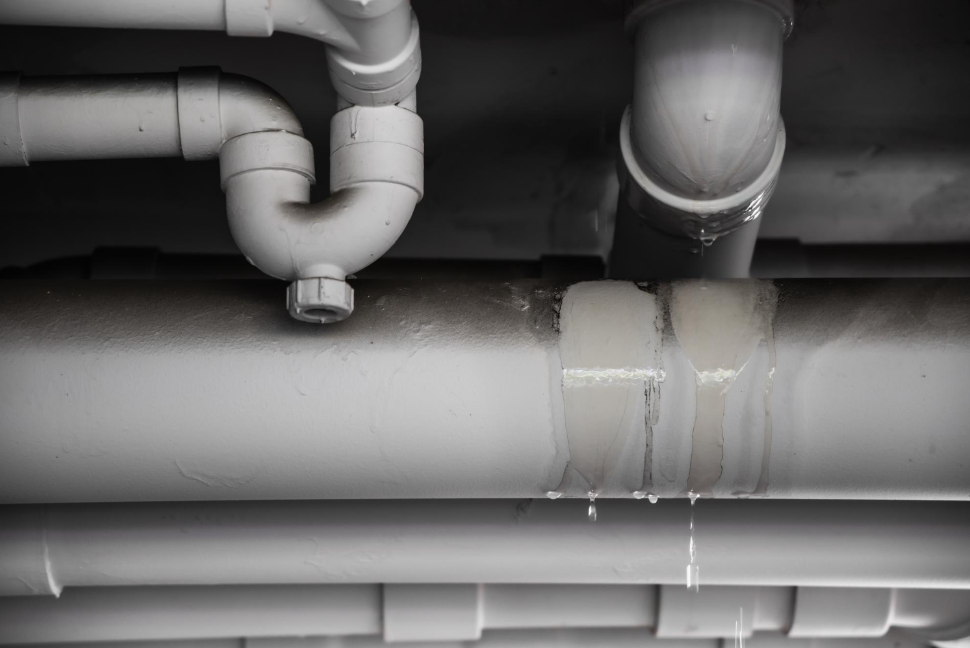
If you are searching for repiping cost in Prairie Village, KS, you have probably already noticed a problem: rusty water, weak pressure, or a plumber who mentioned your home's pipes are on borrowed time. The honest answer is that repiping cost depends on more variables than most homeowners expect, and no two houses land on the exact same number.
Prairie Village has a lot of homes built well before modern piping standards existed, which means galvanized steel and other outdated materials are still doing the job behind the walls in plenty of neighborhoods. That age is exactly why repiping questions come up so often here.
Newer subdivisions in Overland Park tend to see this less often, since their housing stock skews younger. The same is generally true out toward Lee's Summit, where newer construction has replaced most of the older pipe materials.
This guide breaks down what actually moves the price of a repipe, the warning signs worth taking seriously, and what a fair estimate process should look like. It also covers how repiping differs from a simple repair, since the two get confused constantly and lead to homeowners either overpaying or under-fixing a bigger problem.
Before you call anyone, it helps to understand where your money actually goes and why two plumbers can hand you two very different numbers for what sounds like the same job. Homeowners dealing with related issues like low water pressure often find repiping is the real fix once smaller repairs stop working.
In this article, you will learn about:
- What actually drives repiping costs in Prairie Village homes
- The warning signs that your pipes are failing
- What repiping actually costs in 2027
- What to do before you hire a plumber for the job
Keep reading to see exactly where your money goes when you repipe, and how to avoid overpaying for work your home may not even need.
What actually drives repiping costs in Prairie Village homes
No two repiping jobs cost the same amount, even on similar-sized homes a few blocks apart. The final number comes down to a handful of factors that a plumber has to weigh during the walkthrough, not a flat rate anyone can quote over the phone.
Understanding these factors ahead of time means you can ask better questions and spot a quote that does not add up. It also explains why the plumber needs to actually see the house before giving you a real number instead of a guess.
Pipe material: copper, PEX, or galvanized
The material you choose to repipe with changes the cost more than almost anything else. Copper has been the traditional standard for decades and holds up well, but it costs more in materials and takes longer to install because every joint has to be soldered.
PEX piping has become the more common choice for whole-home repiping projects because it is flexible, resistant to freezing damage, and faster to run through walls and floors. That labor savings often brings the total project cost down even when PEX and copper materials are priced close together.
- Copper: durable, higher material cost, slower installation
- PEX: flexible, freeze-resistant, faster installation, generally lower labor cost
- A mix of both is common in homes where copper stays exposed and PEX runs through walls
Metal pipe is also more prone to frozen pipe damage during hard Kansas winters, which is part of why so many homeowners choose PEX when they repipe.
Most homeowners end up choosing based on a mix of budget and how long they plan to stay in the home. A plumber walking through your Prairie Village house can tell you which material makes sense given your layout and your water heater setup.
Home size and the number of fixtures
A bigger home simply means more pipe, more fixtures, and more connection points, so square footage is one of the first things that shapes the estimate. A one-bathroom bungalow and a five-bedroom house with three full baths in Leawood are not remotely the same job, even if both are the same age.
The number of fixtures matters just as much as total square footage. Every sink, toilet, tub, shower, washing machine hookup, and water heater connection adds another point that has to be run, tied in, and pressure tested before the job is done.
- Count every fixture that touches water supply lines, not just the obvious ones
- Factor in outdoor spigots and any irrigation lines tied into the main system
- Include water heaters and any secondary units like tankless or point-of-use heaters
A plumber doing a proper walkthrough will map all of this out room by room. Skipping this step is one of the fastest ways to end up with a quote that changes once the work actually starts.
Accessibility and how much the crew has to tear into walls or ceilings
Getting to old pipe is often harder than replacing it. A home with an unfinished basement or a crawlspace gives a crew easy access to run new lines, while a home with finished walls, tile backsplashes, or a slab foundation means more cutting, patching, and repair work afterward.
This is the part of repiping that surprises homeowners the most, because the plumbing labor itself might be straightforward while the drywall and paint work stacks on real cost. Some homeowners handle patchwork themselves to save money, while others want the plumber's crew to leave walls finish-ready.
- Basement or crawlspace access: lower cost, faster timeline
- Slab foundation: higher cost, may require tunneling or overhead rerouting
- Finished walls and ceilings throughout: added drywall, paint, and flooring repair
Ask directly whether a quote includes wall repair or just the plumbing work itself. This single question avoids more billing surprises than almost any other part of the process.
The warning signs that your pipes are failing
Most homeowners do not wake up one day and decide to repipe a house out of nowhere. It usually starts with smaller, annoying problems that keep coming back no matter how many times a plumber patches the immediate issue.
Recognizing these signs early can be the difference between a planned project on your own timeline and an emergency repair after a pipe fails overnight. None of these symptoms are dramatic on their own, which is part of why they get ignored for so long.
It also helps to know what repiping does not cover. A repipe only addresses the supply lines that bring water into fixtures, not the pipes that carry wastewater out, so slow drains throughout the house usually point to a sewer line problem instead of a supply line issue.
Water pressure that keeps dropping
Weak water pressure that shows up gradually, rather than all at once, is often a sign of internal pipe corrosion rather than a problem with your water supplier. Mineral buildup and rust inside galvanized pipe slowly narrow the interior diameter of the pipe until water simply cannot move through it the way it used to.
This is different from a single fixture losing pressure, which usually points to a clogged aerator or a failing valve. When pressure drops across the whole house, especially upstairs, the pipes themselves are usually the real culprit.
If you have already worked through the basics of low water pressure and nothing improved, internal corrosion is worth ruling out next. A plumber can check this with a pressure test at multiple points in the house rather than guessing.
That same corrosion can also cause clogged drains elsewhere in the house around the same time. Reaching for chemical drain cleaners only makes things worse, since those products can eat away at aging metal pipe even faster.
Water that shows up rusty, cloudy, or metallic tasting
Discolored water right after you turn on a tap, especially one that has not been used in a while, is a classic sign of rust building up inside galvanized supply lines. The color usually clears after running the tap for a minute, which is exactly why homeowners write it off instead of investigating further.
A metallic taste or smell points to the same root cause. Hard water deposits and rust flakes inside old pipe interact with your home's water supply long before you ever notice a visible leak anywhere.
- Brown or orange tint right after the tap is turned on
- Water that looks cloudy even after running for a minute
- A metallic taste that was not there a year or two ago
- Staining around faucets, tubs, or the inside of a dishwasher
Homeowners dealing with hard water sometimes assume mineral content alone explains the staining, when aging pipe is actually compounding the problem. Both issues can exist at once, and a plumber can tell you which one is driving the symptoms you are seeing.
A home old enough to still have galvanized or polybutylene pipe
Pipe material matters more than most homeowners realize when it comes to how long a supply line actually lasts. Galvanized steel pipe was standard in homes built before the 1960s and typically only lasts 40 to 50 years before internal corrosion becomes a real problem, and polybutylene pipe, common in homes built through the mid-1990s, is known to fail from the inside out in a way that is hard to detect until it bursts.
National housing data backs up why this comes up so often in established neighborhoods. Data from the U.S. Census Bureau shows that nearly half of owner-occupied homes nationwide, about 47 percent, were built before 1980, putting a large share of the housing stock right in the window where galvanized and polybutylene pipe were still common choices.
Prairie Village has plenty of homes built squarely in that window, which is part of why repiping conversations come up more here than in newer subdivisions. If you are not sure what pipe material your home has, a plumber can usually identify it within a few minutes by checking an exposed section in the basement or crawlspace.
What repiping actually costs in 2027
Every homeowner wants a single number, but repiping pricing works more like a range shaped by the factors covered above. What follows are general, factor-based ranges to help you set expectations, not a fixed quote for your specific home.
Your actual number depends entirely on the walkthrough, the material you choose, and how much of the house needs new supply lines. Treat everything here as a starting point for the conversation, not a final price.
Typical price ranges for a Prairie Village home
Whole-home repiping projects for an average single-family home typically fall into a broad middle range, with smaller homes using PEX and easy access landing toward the lower end, and larger homes with finished walls or slab foundations landing toward the higher end. Bathroom count, total square footage, and material choice all pull the number in different directions at the same time.
Partial repiping, where only a section of the home gets new lines, generally costs a fraction of a full whole-home project, since it involves fewer fixtures and less total pipe run. The tradeoff is that a partial repipe only solves the problem in the section that was replaced, while the rest of the original pipe keeps aging on its own timeline.
- Smaller homes, easy access, PEX material: generally the lower end of the range
- Mid-size homes with a mix of finished and unfinished space: the middle of the range
- Larger homes, slab foundations, or copper throughout: the higher end of the range
None of these ranges account for drywall repair, paint, or flooring work if your home has finished walls throughout. Always ask whether a quote includes that finishing work or treats it as a separate cost.
Whole-home versus partial repiping
Choosing between a whole-home repipe and a partial repipe usually comes down to the age and condition of the rest of your pipe, not just your budget for this specific project. If a plumber finds failure in one section of galvanized pipe, the rest of that same pipe run is aging on the identical timeline and is likely to fail next.
A partial repipe makes more sense when the rest of the home's pipe is a different, newer material that is not showing the same wear. It also makes sense as a short-term fix while you plan and budget for a full repipe later.
- Ask the plumber to identify the age and material of every section of pipe in the home
- Get a straight answer on whether a partial fix is likely to need a second repipe within a few years
- Compare the cost of two partial jobs over time against one whole-home project done once
Homeowners who choose the partial route to save money upfront sometimes end up paying for two projects instead of one. A clear conversation about the rest of the home's pipe condition avoids that outcome.
Why some quotes vary so much between plumbers
Two plumbers can walk through the same house and come back with numbers that are thousands of dollars apart, which understandably makes homeowners nervous about who to trust. Some of that gap comes down to material choice, crew size, and how thoroughly the plumber accounted for wall and ceiling repair.
A lower quote is not automatically the better deal if it leaves out drywall repair, permit costs, or a pressure test after the work is finished. A higher quote is not automatically a red flag if it reflects a more experienced crew and a more complete scope of work.
- Ask what material each quote assumes, since PEX and copper pricing differ significantly
- Confirm whether wall and ceiling repair is included or billed separately
- Check whether the quote includes a final pressure test and inspection sign-off
Reading every line item side by side is the only real way to compare two repiping quotes fairly. A quote that looks cheap on the surface can end up costing more once the missing pieces get added back in.
What to do before you hire a plumber for the job
Repiping is not the kind of project where you want to move fast on the first quote you get. A little upfront diligence protects both your budget and the quality of the work behind your walls for decades.
This guide also assumes you are planning ahead rather than dealing with a pipe that has already burst. An active leak is an emergency plumbing situation and should be treated as one, not scheduled the same way as a planned repipe.
The steps below are worth following whether you are getting one quote or comparing several. None of them take much time, and all of them make the eventual decision easier.
Get an on-site inspection instead of a phone estimate
Any plumber willing to quote a whole-home repipe over the phone without seeing the house is giving you a guess, not a real number. Pipe material, wall access, fixture count, and existing damage all need to be seen in person before an honest estimate is possible.
An on-site inspection also gives the plumber a chance to catch problems you have not noticed yet, like a slow leak inside a wall or corrosion near a water heater connection. Catching those issues before the project starts avoids surprise costs once the walls are already open.
The same inspection can also reveal why your water heater isn't keeping up, especially if corroded supply lines are restricting flow to the tank.
A thorough walkthrough often surfaces other problems at the same time, like a failing shutoff valve or a leak repair the homeowner never knew was needed. Bundling that work into the same project is usually cheaper than calling a plumber back out separately later.
Questions worth asking before you sign
A few direct questions during the estimate process can save you from a frustrating experience later. Plumbers who answer these clearly and without hesitation are generally the ones worth hiring.
- What pipe material are you recommending, and why is it the right fit for this house?
- Does the quote include wall, ceiling, or flooring repair, or is that a separate cost?
- How long will the project take, and will the water be shut off the entire time?
- Will the work be pressure tested and inspected before you consider the job complete?
- What warranty covers the new pipe and the labor itself?
Write the answers down and compare them across every quote you collect. A plumber who cannot answer one of these clearly is worth a second look before you commit.
Why licensed, experienced plumbers matter for whole-home repiping
Repiping touches nearly every water line in the house, which means a mistake does not stay small. A poorly soldered joint or an improperly supported PEX line can cause a leak inside a wall that goes unnoticed for months before it causes real damage.
Licensed, experienced plumbers understand local code requirements, proper pipe support spacing, and how to test the whole system before calling the job done. That experience is what separates a repipe that lasts decades from one that causes problems within the first year.
Technicians handling bathroom plumbing and residential plumbing work day in and day out develop a feel for how a home's whole system fits together, not just the section directly in front of them. That broader view matters on a project as involved as a full repipe.
Conclusion
Repiping cost in Prairie Village comes down to material, home size, and how much the crew has to open up to get the job done right. There is no single flat number that applies to every house, but understanding the factors above puts you in a much stronger position to evaluate any quote you receive.
The warning signs matter just as much as the price. Rusty water, dropping pressure, and a home old enough to still carry galvanized or polybutylene pipe are all reasons to get an inspection sooner rather than waiting for a pipe to fail on its own schedule.
If you are weighing repiping against smaller repairs, a straight answer from a licensed plumber is worth more than another guess. Benjamin Franklin Plumbing of Kansas City can walk through your Prairie Village home, give you a clear picture of what is actually going on behind the walls, and help you decide what makes sense for your budget and your timeline.

 Your Privacy Choices