
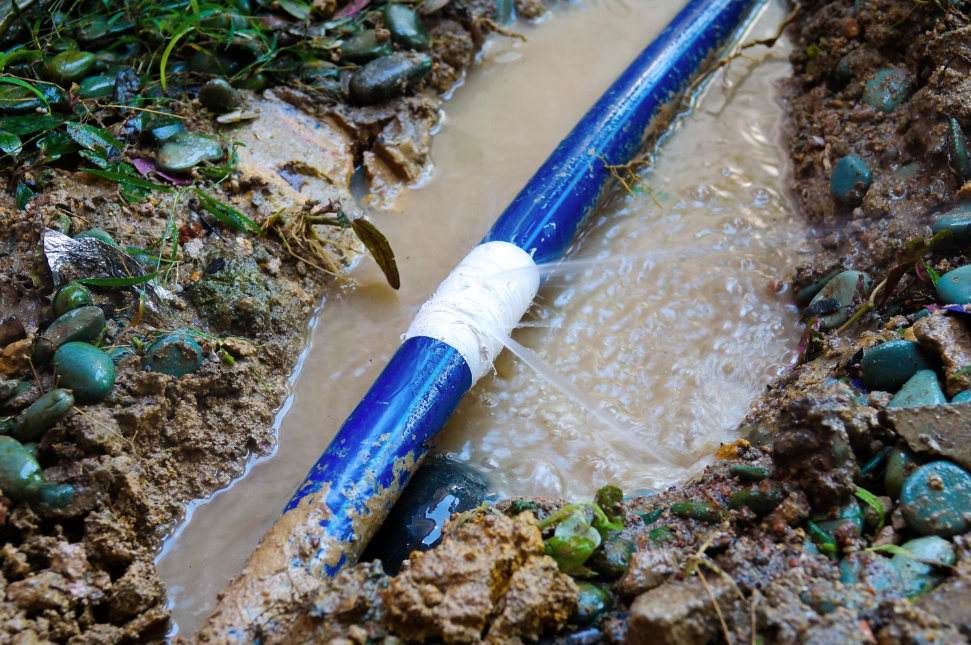
If you are looking into leak detection in Prairie Village, KS, chances are something has already tipped you off: a water bill that does not add up, a damp spot that will not dry, or a faint sound of running water when every faucet in the house is off. Hidden leaks rarely announce themselves clearly, which is exactly why they go on for months before anyone catches them.
Prairie Village's older housing stock means a lot of supply lines, fittings, and slab foundations have had decades to develop small cracks and worn connections. A slow leak behind a wall or under a slab can waste water and cause real structural damage long before it ever becomes obvious.
This guide walks through why hidden leaks are so common here, the signs worth paying attention to, how professional leak detection equipment actually finds a problem without tearing the house apart, and what happens once a leak is confirmed. None of this requires guesswork if you know what to look for and when to call someone in.
A leak that goes undetected does more than waste water. A water heater that isn't keeping up is sometimes the first visible symptom of a slow leak affecting pressure and flow elsewhere in the system.
In this article, you will learn about:
- Why hidden leaks are common in Prairie Village homes
- The signs you may have a hidden leak
- How professional leak detection actually works
- What to do once a leak is found
Keep reading to understand exactly what to watch for and how a plumber finds a leak without guessing where to cut into a wall.
Why hidden leaks are common in Prairie Village homes
Hidden leaks do not happen randomly. A handful of specific conditions make them far more likely in certain homes, and older, established neighborhoods tend to have more of these conditions stacked together.
Understanding where leaks tend to start helps explain why they are worth taking seriously here specifically, rather than assuming they only happen in unusual circumstances.
Aging supply lines and fixtures
Supply lines, fittings, and valves all have a service life, and that life is shorter at the joints and connection points than along a straight run of pipe. Rubber washers, compression fittings, and soldered joints are the most common places a small leak starts, usually well before the surrounding pipe itself shows any sign of failure.
Hard water speeds this process up, since mineral deposits build up inside fittings and valves and eventually cause them to seal less effectively than they did when new. A fitting that once sealed tightly can develop a slow weep over years without ever fully failing.
- Compression fittings under sinks and behind toilets
- Soldered or sweated copper joints in older plumbing runs
- Valve stems and washers that have never been replaced
None of these failure points are visible without opening a cabinet or crawling into a basement, which is exactly why they go unnoticed for so long. A slow leak at a fitting can run for months before it produces a visible sign anywhere near the leak itself.
Slab leaks and leaks behind walls
Homes built on a slab foundation have supply and sometimes drain lines running directly through or under the concrete, and a leak there is one of the hardest to catch early. Water can travel a surprising distance through soil and concrete before it ever surfaces as a wet spot, which means the visible sign often shows up far from the actual leak location.
Leaks behind finished walls face a similar problem. Drywall and insulation absorb moisture for a while before anything becomes visibly damp, so a small leak inside a wall cavity can go unnoticed until the damage is already significant.
- Slab leaks often show up first as an unexplained increase in the water bill
- A warm spot on the floor can indicate a leak on the hot water line specifically
- Leaks behind walls eventually show through paint bubbling, discoloration, or a musty smell
Both types of leaks are difficult or impossible to confirm by sight alone, which is exactly the situation professional leak detection equipment is designed to solve. Guessing at a location and cutting open a wall or slab without that confirmation is a good way to cause unnecessary damage chasing the wrong spot.
Outdoor and irrigation leaks
Not every hidden leak is inside the house. Irrigation lines, outdoor spigots, and the buried section of pipe between the water meter and the house itself can all develop leaks that show up as soggy patches of yard or an unusually green strip of grass.
These outdoor leaks matter just as much as indoor ones for your water bill, even though they never touch the house's interior at all. A leak between the meter and the house is still the homeowner's responsibility to repair in most cases, since that section of pipe belongs to the property rather than the utility.
A consistently soggy patch of lawn that has nothing to do with sprinklers or drainage is worth investigating the same way an indoor leak would be. Outdoor leaks are just as easy to miss as indoor ones, mostly because homeowners are not checking the yard with the same attention they give the inside of the house.
Larger lots are more common out toward Leawood, which means more buried irrigation line and more opportunity for this exact kind of leak to go unnoticed. Overland Park has a similar mix of older and newer irrigation systems feeding into the same risk.
The signs you may have a hidden leak
Hidden leaks leave clues even when they are never directly visible. Learning to recognize these clues is the difference between catching a small leak early and discovering a much bigger problem months later.
None of the signs below require special equipment to notice, just some attention paid to patterns that do not have an obvious explanation.
A water bill that keeps climbing without explanation
A water bill that rises steadily over a few months, without a corresponding change in household habits, is one of the clearest signs of a hidden leak. Filling a pool, watering a new lawn, or hosting extra guests can all explain a temporary spike, but a steady upward trend with no obvious cause usually points to water going somewhere it should not.
The U.S. Environmental Protection Agency notes that a family of four using more than 12,000 gallons of water in a single winter month is a strong sign of a hidden leak, since outdoor water use is essentially nonexistent during that season.
Homeowners genuinely interested in reducing water waste at home often discover a forgotten leak during the process of tracking down where their usage actually goes. Comparing bills month to month, especially through winter when outdoor use should be near zero, is one of the simplest ways to catch a leak early.
Sounds of running water when everything is off
A faint hissing or running water sound with every fixture in the house turned off is a strong indicator that water is moving somewhere it should not be. This sound is easiest to notice in a quiet room, late at night, or right after everyone in the house has gone to bed.
This sign is often the first one people notice, even before the water bill catches up to reflect the leak. A sound like this is worth investigating the same night rather than assuming it will resolve on its own.
- Listen near walls, under sinks, and near the water heater for unusual sounds
- Check the water meter immediately if you hear something and suspect a leak
- Note the time of day and location of the sound to help a plumber narrow down the source
If you hear this sound consistently over several days, it is worth a call rather than continuing to wonder about it. A leak that is audible has usually been running long enough to be worth taking seriously.
Damp spots, warped flooring, or a musty smell
Visible dampness is the most obvious sign, but it is also usually the latest one to appear, since it means the leak has already been running long enough to soak through a barrier like drywall, subfloor, or concrete. Warped or buckling flooring, peeling paint, and a persistent musty smell in one area of the house are all signs that moisture has been present for a while.
A musty smell without any visible moisture is worth taking seriously on its own, since it can mean moisture is trapped somewhere behind a wall or under flooring where it is not yet visible. Mold and mildew develop in these hidden, damp spaces well before anyone can see or smell an obvious wet spot.
Catching a leak at the sound or water-bill stage, before it reaches this point, generally means a smaller and less expensive repair. Once visible damage appears, the repair usually involves both the plumbing fix and the restoration of whatever material absorbed the water.
How professional leak detection actually works
Modern leak detection relies on equipment designed to find a leak's location without guessing or cutting open walls first. Understanding these tools helps explain why a professional leak detection visit is worth it compared to trying to track down a hidden leak yourself.
The goal of every method below is the same: locate the leak as precisely as possible before any repair work begins, so the fix targets the actual problem instead of a rough estimate of where it might be.
Checking the water meter for hidden usage
The water meter test is the simplest and most reliable first step, and it requires no special equipment at all. Shutting off every fixture and water-using appliance in the house, then watching the meter for movement over a set period, confirms whether water is flowing somewhere in the system even when nothing visible is running.
Most water meters have a small leak indicator, often a triangular or star-shaped dial, that spins whenever any amount of water passes through the meter. Watching this indicator with everything off is often enough to confirm a leak exists before any further diagnosis begins.
- Turn off every fixture and water-using appliance in the house
- Record the water meter reading or watch the leak indicator dial
- Wait at least two hours without using any water, then check again
A change in the reading, or a spinning leak indicator, confirms a leak somewhere in the system. This test does not identify the exact location, but it is the first step that justifies moving on to more precise detection methods.
Acoustic and electronic leak detection equipment
Acoustic leak detection equipment listens for the specific sound pattern water makes escaping a pressurized pipe, which is different from ambient household noise and can be pinpointed with specialized listening devices. This method works especially well for leaks under concrete slabs, where the sound travels through the material in a detectable pattern.
Electronic methods, including moisture meters and thermal imaging cameras, look for temperature differences or moisture levels that indicate water is present where it should not be. A hot water line leak, for example, often shows up as a distinct warm spot on a thermal camera before any other sign is visible.
- Acoustic listening devices: best for slab leaks and underground supply lines
- Thermal imaging: best for identifying temperature differences from hot water line leaks
- Moisture meters: best for confirming dampness levels inside walls or flooring
Combining more than one method often gives the clearest picture, since each technology is better suited to certain leak types than others. A plumber trained in these tools can usually narrow a leak down to a small, specific area before any cutting or digging starts.
Why guessing and cutting into walls is the wrong approach
Without proper detection equipment, finding a hidden leak often means cutting into drywall or concrete at multiple locations and hoping to get lucky. This approach causes unnecessary damage, takes longer, and sometimes still misses the actual leak location entirely.
A confirmed location before repair work begins means only one section of wall, floor, or slab needs to be opened, rather than several exploratory cuts across a room. That precision saves money on both the plumbing repair and the drywall, flooring, or concrete restoration afterward.
Technicians familiar with both plumbing repairs and modern detection equipment bring both the diagnostic tools and the repair experience needed to fix what the equipment finds. That combination matters more than either skill on its own.
What to do once a leak is found
Finding the leak is only half the process. What happens next depends on where the leak is, how the pipe is holding up overall, and how quickly you act once the location is confirmed.
None of the decisions below need to be made in a panic, but they do need to be made with a clear understanding of the tradeoffs involved.
Repair versus replace decisions
A single, isolated leak in an otherwise sound section of pipe is usually a straightforward leak repair: cut out the damaged section, replace it, and pressure test the fix. A leak that turns out to be one of several failure points along an aging pipe run is a different conversation entirely, since fixing one spot does not address the rest of the line aging on the same timeline.
This is the same logic that applies to bathroom plumbing fixtures showing repeated leaks in the same area. One failed valve is a repair, but three failed valves in the same bathroom within a year or two is usually a sign the whole system in that area needs a closer look.
A plumber should be able to tell you, after the leak is located, whether this looks like an isolated event or a symptom of a bigger issue. That distinction changes the scope and cost of the fix significantly.
Why acting quickly limits the damage and the cost
The longer a confirmed leak goes unrepaired, the more damage accumulates to the surrounding structure, and the higher the eventual restoration cost climbs. A leak that would have been a simple fitting replacement last month can turn into a mold remediation and drywall replacement project if it sits too long.
A sump pump working overtime in a basement with a hidden leak nearby is sometimes a sign that water is finding its way to the lowest point in the house faster than expected. That pattern is worth mentioning to a plumber even if the pump itself seems to be handling the volume fine.
Scheduling the repair promptly once a leak is confirmed, rather than waiting for a more convenient time, is almost always the cheaper path overall. A leak actively spraying or pooling water is an emergency plumbing services situation and should be treated with that urgency rather than scheduled out like a routine repair.
Preventing future leaks with regular checks
Once a leak is repaired, a simple routine of periodic checks makes the next one far less likely to go unnoticed for as long. Checking the water meter a few times a year, watching the water bill for unexplained trends, and doing a quick visual check under sinks and around the water heater catches most new leaks early.
Homes with a history of one leak are statistically more likely to develop another, especially if the underlying cause was aging pipe rather than a single defective part. Building a habit of these checks costs nothing and takes only a few minutes each time.
Technicians handling residential plumbing across Prairie Village and the surrounding area see the same aging-pipe patterns repeat across similar homes, which is part of why a periodic check-in tends to catch problems before they become expensive ones.
Conclusion
Hidden leaks in Prairie Village homes almost always trace back to the same handful of causes: aging fittings and supply lines, slab or wall leaks that take time to surface, and outdoor lines that rarely get checked. None of these are especially unusual, which is exactly why they are worth watching for proactively rather than waiting for obvious damage.
The signs are there long before a leak becomes a major problem, whether that is a climbing water bill, a sound of running water, or a damp spot that will not go away. Professional detection equipment exists specifically to confirm a leak's location precisely, so the repair targets the actual problem instead of a guess.
If you suspect a hidden leak anywhere in your Prairie Village home, getting it confirmed sooner rather than later keeps the fix small. Benjamin Franklin Plumbing of Kansas City can run a proper leak detection visit and give you a clear answer instead of a guess.

 Your Privacy Choices