
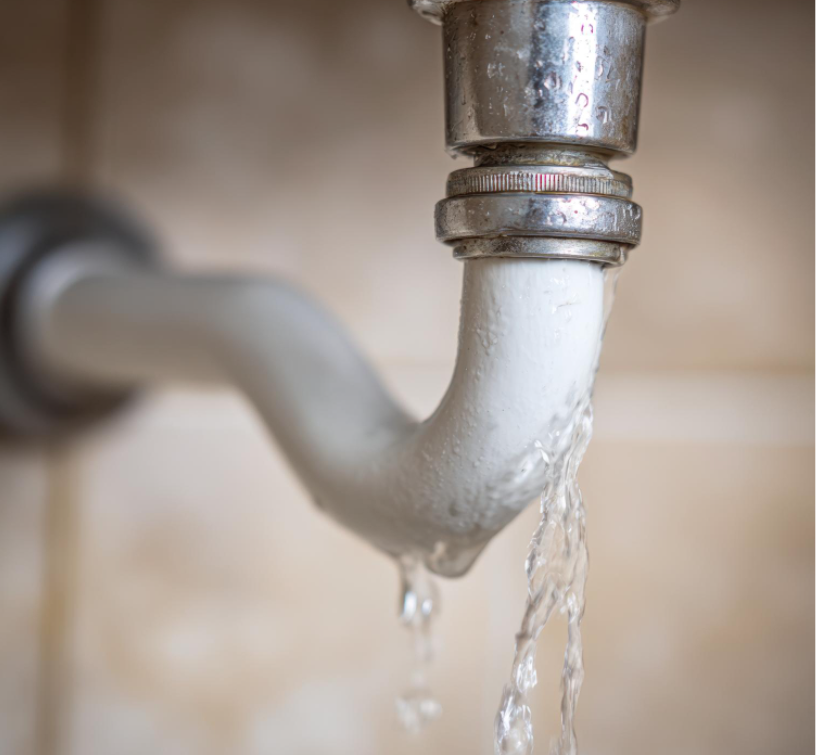
Leak detection in Leawood, KS, can help you find a plumbing problem before a damp cabinet, warm floor, or unusually high water bill turns into extensive damage. A hidden leak may develop behind drywall, below a finished basement, under a concrete slab, or along the service line between the meter and your house.
Leawood homes are not all built alike. Established neighborhoods may have plumbing that has been repaired or updated in stages, while newer homes can have long pipe runs, multiple bathrooms, irrigation systems, and finished lower levels that make a small change in water use harder to notice.
The best response starts with recognizing what your home is telling you. A professional who provides plumbing services in Leawood can separate a fixture problem from a concealed supply-line leak and recommend a repair based on evidence rather than guesswork.
In this article, you will learn about:
- How can you tell whether your Leawood home has a hidden leak?
- Where do plumbing leaks commonly start?
- How do plumbers pinpoint a leak without unnecessary damage?
- What should you do when you suspect a leak?
Keep reading to recognize hidden leak clues and make a confident decision about your next step.
How can you tell whether your Leawood home has a hidden leak?
Some leaks announce themselves with a spreading puddle. Others release water slowly enough to stay out of sight while they affect drywall, flooring, cabinets, or the soil around a buried pipe.
Your strongest clue is usually a pattern rather than one isolated symptom. Compare what you see, hear, and smell with your household's normal water use, then investigate changes that do not have an obvious explanation.
Your water use rises without a clear reason
A bill that jumps when your household routine has not changed deserves attention. Seasonal irrigation, guests, or a newly filled pool may explain higher use, but continuous flow from a toilet, supply line, or underground pipe can also add up quietly.
The EPA WaterSense program reports that an average household can lose more than 9,300 gallons a year to leaks. It also finds that 9% of homes waste at least 50 gallons per day through leaks, while correcting readily repairable leaks can reduce water bills by about 10%.
For Leawood customers in the WaterOne service area, the online account can show daily consumption and support usage alerts. A steady overnight pattern or a new baseline that persists on low-use days is more meaningful than a single busy day.
If the increase appears with lower water pressure, a leak is one possible cause, but it is not the only one. A plumber can test the system and distinguish escaped water from a pressure regulator, valve, mineral buildup, or utility-side issue.
Surfaces look, feel, or smell different
Water often changes building materials before it becomes a visible drip. Paint may bubble, drywall may soften, wood flooring may cup, or a baseboard may swell where moisture is traveling inside a wall.
Finished basements can conceal the route water takes from a pipe to the first visible stain. A musty odor, recurring discoloration, or damp carpet edge should be traced to its source instead of being covered with paint or treated only at the surface.
Watch for related clues throughout the home:
- A ceiling stain that grows after showers, laundry, or dishwasher cycles
- A cabinet floor that feels warped beneath a sink
- A warm area on tile or concrete when no surface heat source is present
- Peeling paint or loose flooring near a bathroom, kitchen, or wet bar
- The sound of water moving when fixtures and appliances are off
The location and timing of a symptom help narrow the possibilities. Moisture below a bathroom may point toward a fixture connection, supply pipe, drain, or failed seal, while a warm floor can direct attention toward a hot-water line.
Do not assume every damp basement area comes from plumbing. Rainwater intrusion, condensation, and sump pump trouble can create similar symptoms, so a careful diagnosis may need to consider both the plumbing system and the way water moves around the foundation.
Your meter shows flow when the house is quiet
A meter check gives you a useful screening test. Turn off faucets, ice makers, dishwashers, washing machines, irrigation, and every other known water user, then note whether the meter still registers movement after the system settles.
WaterOne states that indoor plumbing, sprinklers, and the service line between the connection and the building are the homeowner's responsibility. Its local leak guidance also notes that a leaking toilet may waste roughly 1,400 to 2,800 gallons per day, depending on the fixture and severity.
If the meter continues moving, close the home's main shutoff when it is safe and accessible. A meter that stops can point toward a leak on the house side of that valve, while continued movement may indicate a service-line issue between the meter and the shutoff.
This test can confirm unexplained flow, but it does not identify the exact pipe or connection. Professional leak repair begins by verifying the affected part of the system before access or repair work starts.
Where do plumbing leaks commonly start?
A leak can originate in a pressurized water line, drain connection, fixture, appliance hose, water heater, irrigation branch, or buried service line. Each source creates a different pattern because water may flow constantly, appear only during use, or surface far from the failure.
Leawood's mix of established and newer housing makes a whole-home view important. According to the U.S. Census Bureau, 91% of local homes were owner-occupied in the 2020-2024 estimate period, and the median value of owner-occupied housing was $658,800, making early attention to concealed moisture a practical part of protecting a substantial household asset.
Bathrooms, kitchens, and appliance connections
Fixture areas contain many valves, seals, traps, and supply connections within a small space. A toilet can leak silently through its flapper, around its base, or at the supply connection, while a faucet or shower valve can release water into a cabinet or wall cavity.
In kitchens and laundry areas, inspect the dishwasher line, refrigerator connection, garbage disposal area, and washing machine hoses. Because these components cycle on and off, the floor may be dry by the time you notice a stain in an adjoining room.
Start with the accessible points that are most likely to show evidence:
- Dry the cabinet floor and exposed connections, then check again after running the fixture.
- Look around toilet bases without rocking or disturbing the fixture.
- Inspect appliance hoses and shutoff valves for droplets, corrosion, or mineral residue.
- Compare the ceiling below an upstairs bath before and after normal use.
- Listen for a toilet that refills when nobody has flushed it.
A surface check can reveal an active drip, but moisture behind a shower valve or below a tub may need diagnostic testing. Experienced bathroom plumbing service can evaluate whether the source is a supply connection, drain assembly, seal, or fixture.
Repeatedly tightening a fitting or adding caulk can hide evidence without solving the failure. When moisture returns, stop using the affected fixture if possible and have the underlying connection inspected.
Water heaters and hot-water piping
Water near a tank does not always mean the tank itself has failed. The source may be a supply connection, drain valve, temperature and pressure relief discharge, expansion-related issue, or a nearby pipe that happens to release water beside the unit.
Check for rust trails, mineral deposits, damp insulation, and water that reappears after cleanup. A heater that runs more often than usual or hot water that seems to disappear faster can also suggest escaped hot water, although performance problems have several possible causes.
An inspection should determine whether the repair belongs to a connection or to the water heater. When a unit is aging or showing corrosion, the decision may shift from a small repair to planning the right water heater solution for the home.
Never cap a relief line or operate a heater with damaged safety components. Shut the unit down according to its instructions when active leakage presents an electrical, gas, or scalding concern, then arrange professional service.
Slab lines, service lines, and irrigation systems
A pipe below concrete or soil may leak for some time before water reaches the surface. Possible clues include a persistent warm spot, unexplained meter movement, soft soil, unusually green turf, or water appearing near the foundation during otherwise dry weather.
Irrigation can complicate the picture because it changes both water use and soil moisture. The EPA reports that an irrigation leak only 1/32 inch in diameter can waste about 6,300 gallons per month, another reason to compare usage patterns before and after the system is activated for the season.
Leawood also experiences genuine freeze conditions. National Weather Service climate normals for nearby Johnson County Executive Airport show normal January lows generally near 19°F to 21°F, cold enough to make exposed lines, outdoor faucets, and poorly insulated spaces vulnerable.
Disconnecting hoses, protecting exposed piping, and following a consistent winter plumbing checklist can reduce risk. If a frozen line thaws and the meter begins moving, close the water supply and arrange an inspection before hidden discharge spreads.
How do plumbers pinpoint a leak without unnecessary damage?
Effective leak detection is a process of narrowing the system. The plumber considers when the symptom occurs, which fixtures are involved, whether the meter shows continuous use, and how the home's piping is arranged before choosing a test.
The objective is not simply to prove that water exists somewhere. It is to gather enough evidence to identify the likely source, plan targeted access, and match the repair to the pipe material and location.
The investigation begins with the pattern
A plumber may ask when the bill changed, whether the symptom follows hot-water use, and which shutoff valves affect the flow. This history helps distinguish a continuous pressurized-line leak from a drain leak that appears only while a fixture runs.
Accessible fixtures, valves, appliance connections, the water heater, and visible piping are then inspected. Moisture readings and pressure behavior can help determine whether a stain is active, intermittent, or left over from an older event.
This system-level approach matters when several symptoms overlap. One dripping fixture may explain part of the usage without accounting for a damp wall, and a water stain may remain after a separate leak has already been corrected.
When the concern extends beyond one fixture, comprehensive residential plumbing service can assess how pressure, piping, valves, and equipment interact instead of treating every clue as an unrelated problem.
Diagnostic tools help narrow the location
Depending on the suspected source, plumbers may use pressure testing, acoustic listening equipment, thermal imaging, moisture meters, or isolation tests. No single device answers every question, so results are interpreted together with the layout and operating conditions.
Acoustic equipment can listen for sound produced by water escaping a pressurized line. Thermal imaging can show surface temperature differences that support an investigation, especially around hot-water piping, but a temperature pattern alone does not prove where a pipe failed.
For a drain-side concern, controlled fixture testing may reproduce the symptom. Underground and slab investigations may require the technician to isolate branches and compare readings at multiple points before marking a likely access area.
The value of this process is precision. Careful testing can reduce exploratory openings and allow the homeowner to understand why a specific repair area has been selected.
Detection and repair are separate decisions
Finding the source defines the problem, but the best repair still depends on access, pipe condition, material, and whether the failure is isolated. A localized fitting problem may need a small opening, while recurring failures in deteriorated piping may justify a broader discussion.
The plumber should explain what was tested, what evidence supports the diagnosis, and which options address the cause. Professional plumbing repairs should also include testing after the work so the system can be checked for normal operation.
For a buried service line, the decision may involve a spot repair or replacement based on the line's overall condition. For a fixture leak, replacing a worn internal component may be enough if surrounding materials remain sound.
Ask what access is required and who will handle restoration of drywall, flooring, cabinetry, or concrete. Clear expectations before work begins make it easier to compare the repair scope with the risks of leaving the leak active.
What should you do when you suspect a leak?
Your priorities are to limit active water, protect people from electrical or structural hazards, and preserve useful evidence for diagnosis. A calm response can reduce damage without turning a manageable issue into a larger repair.
The right action depends on the rate and location of the leak. A slow toilet leak can usually wait for scheduled service, while water near an electrical panel, a collapsing ceiling, or a burst pipe requires immediate isolation and professional help.
Take immediate steps to control the water
If water is actively spreading, close the nearest fixture shutoff or the home's main shutoff if you can reach it safely. Do not enter standing water near energized equipment, and do not cut into a wall or floor to search for the pipe.
Move belongings away, place a container under a controlled drip, and photograph the affected area. Note the meter reading and which fixtures or valves change the symptom because those details can shorten the diagnostic process.
Use this order when an active leak is safe to approach:
- Stop water at the closest reliable shutoff, or use the main valve.
- Keep people away from wet electrical areas and unstable ceilings.
- Protect nearby contents without disturbing the suspected source.
- Record the meter, visible damage, and timing of the event.
- Call for help and describe the location and rate of water flow.
For uncontrolled discharge, a burst pipe, or water threatening essential systems, contact emergency plumbing services. Phone support can also help you communicate what has been isolated before the appointment.
After the water stops, ventilation and drying still matter. The EPA recommends drying water-damaged materials within 24 to 48 hours to help prevent mold growth.
Document the clue without masking it
Clean up standing water, but avoid repainting a stain or sealing a wet area before the cause has been identified. Photos taken over several hours can show whether discoloration is spreading, and a simple written timeline can connect the symptom to showers, laundry, rainfall, or irrigation.
Keep recent water bills and note any travel periods or seasonal changes. If WaterOne is your provider, daily usage data can help show when the baseline shifted, even if the leak is currently intermittent.
Reducing waste is useful, but shutting off fixtures one by one is also a diagnostic technique. Practical water-saving fixes are most effective after you know whether the problem is a worn fixture, a loose connection, or a concealed pipe failure.
Tell the plumber about previous repairs, remodeling, and any area where piping was rerouted. That history can explain why moisture appears somewhere that does not line up with the home's original plumbing plan.
Know when waiting creates unnecessary risk
Prompt service is appropriate when the meter shows continuous flow, a stain is expanding, materials feel soft, water appears near electricity, or pressure drops suddenly throughout the home. These conditions suggest that the problem is active or affecting more than one fixture.
You should also move quickly when hot water is involved, when a ceiling is sagging, or when a service-line leak is saturating soil near the foundation. Stop using the affected system where possible instead of repeatedly drying the same area.
A damp lower level after a storm may involve groundwater rather than a supply leak. If plumbing tests are negative, inspection of drainage and sump pump performance can help identify the correct next step.
Routine observation can catch changes before they become urgent. Check under sinks, around toilets and appliances, near the water heater, and along finished basement walls during normal home maintenance.
Conclusion
Hidden leaks rarely become easier to solve with time. A change in your water use, an unexplained stain, moving meter, warm floor, or persistent musty odor is enough reason to investigate before damage spreads.
The most useful first steps are simple: stop active water when safe, document what changed, and avoid opening finished surfaces without a clear target. Professional testing can then narrow the source and support a repair plan that fits the actual failure.
Ongoing plumbing attention also makes unusual conditions easier to spot. Knowing your normal consumption, testing shutoff valves, and checking high-risk connections gives you a clearer baseline when something changes.
For preventive support and priority scheduling, explore Club Membership with Benjamin Franklin Plumbing of Kansas City and arrange the next step for your Leawood home.

 Your Privacy Choices