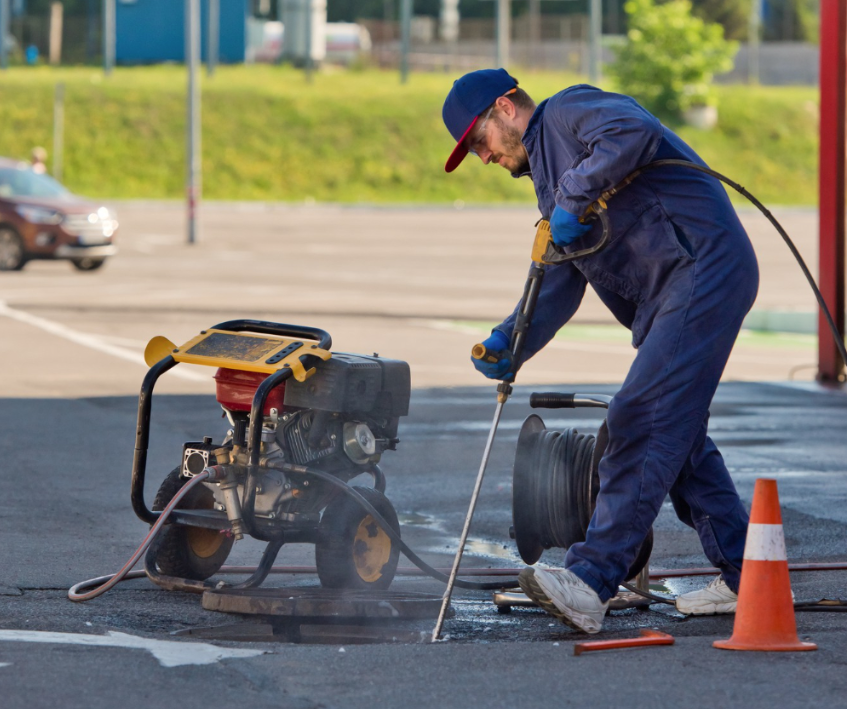
Hydro jetting vs. snaking in Lenexa, KS, is not a choice between a good method and a bad one. Both can restore drainage when used for the right obstruction, but they work differently and leave different results inside the pipe.
A drain snake uses a rotating cable and attachment to break, cut, or retrieve material. Hydro jetting sends controlled high-pressure water through a specialized nozzle to move debris and scour buildup from the interior surface.
The right drain cleaning method depends on what is blocking the line, where it sits, and whether the pipe is structurally sound. Symptoms provide clues, but access and camera findings give the plumber a stronger basis for selecting equipment.
In this article, you will learn about:
- How hydro jetting and snaking clear drains differently
- Which clog symptoms point toward each method
- How plumbers choose a safe cleaning approach
- How Lenexa homeowners can reduce recurring clogs
Keep reading to understand which method fits the blockage without asking a cleaning tool to solve a broken pipe.
How do hydro jetting and snaking clear drains differently?
Snaking is a mechanical clearing method. Hydro jetting is a hydraulic cleaning method. A snake concentrates force at the cable head, while jetting uses the direction and force of water to break up material and carry loosened debris through the line.
The U.S. Environmental Protection Agency identifies hydraulic, mechanical, and chemical approaches as three major categories of sewer cleaning. Its guidance notes that sewer cleaning can remove solids, grease, and root intrusion while helping maintain system capacity.
The practical differences include the following:
- Snaking can create an opening through a localized blockage and can use different heads for cutting or retrieval.
- Hydro jetting can clean a longer interior surface and remove deposits clinging to the pipe wall.
- Snaking may be a more controlled first step when the obstruction or pipe condition is still uncertain.
- Hydro jetting requires appropriate access, water control, and confidence that the pipe can tolerate the selected pressure and nozzle.
- Neither method rebuilds cracked, offset, bellied, or collapsed piping.
The method should match the outcome you need. Restoring a small sink drain may require much less work than cleaning a grease-coated kitchen branch or a root-affected sewer lateral.
Sometimes the best plan uses both methods in sequence. A cable can restore enough opening for drainage and camera access, followed by jetting when the pipe condition and remaining buildup justify a more complete cleaning.
Snaking opens or cuts through a blockage
A professional drain snake feeds a flexible cable through a drain opening or cleanout. The selected head may break soft material, cut roots, bore through an obstruction, or retrieve an object, depending on the equipment and line.
Snaking is often well suited to hair near a bathroom fixture, a compact localized stoppage, or a line that needs an initial opening before inspection. The plumber controls cable size, head, speed, and travel based on the pipe diameter and suspected problem.
Clearing a path does not always remove material coating the full circumference of the pipe. Grease and sludge can remain on the wall after flow returns, which is why a clog that appears fixed may recur under heavy use.
Hydro jetting removes buildup from the pipe wall
Hydro jetting sends water through a nozzle designed to direct cleaning force and move debris toward an exit. Different nozzle patterns and operating settings address grease, sludge, scale, soft deposits, and certain root conditions.
Because water reaches the pipe surface around the nozzle, jetting can produce a more complete cleaning than punching one opening through buildup. It is especially useful when residue has narrowed the line over a longer distance.
The Benjamin Franklin Plumbing FAQ summarizes the distinction clearly: snaking removes a clog mechanically, while hydro jetting uses high-pressure water to clean the pipe interior. The plumber still needs to confirm that the line is a suitable candidate before applying that force.
Neither method repairs structural damage
Cleaning restores capacity only when the pipe can still carry wastewater. A collapsed section, severe offset, open joint, or low area that holds water may continue creating backups even after debris is removed.
Roots are a useful example. A cutter or jet can remove roots from the flow path, but roots entered through an opening. Unless that crack or failed joint is repaired, new growth can return.
When inspection shows structural failure, sewer line repair addresses the pipe rather than repeating cleanings indefinitely. Conventional or trenchless work may be considered according to the location, material, defect, and site.
Which clog symptoms point toward each method?
Drain behavior helps establish whether the problem is local or shared. One slow sink often indicates a fixture trap or short branch, while several fixtures backing up together may point toward the building drain or private sewer lateral.
The cause matters just as much as the location. Hair, paper, a small object, grease, sludge, roots, and damaged pipe do not respond identically to one tool.
If wastewater is actively rising from a floor drain, toilet, or shower, stop using water throughout the home and request emergency plumbing service. Restoring safe drainage takes priority over comparing routine maintenance options during an active backup.
A localized fixture clog may need snaking
A slow tub or bathroom sink commonly collects hair, soap residue, and debris close to the fixture. When other drains work normally, a targeted mechanical clearing may be the efficient choice.
Kitchen fixtures can also develop localized stoppages, although grease often extends farther along the branch than the point where water stops. A cable may restore flow first, then inspection or additional cleaning can determine whether residue remains.
Do not pour a chemical cleaner into standing water before service. The effects of chemical drain cleaners include risks to pipe materials and exposure concerns for anyone who later opens the drain.
Recurring grease and sludge favor more thorough cleaning
A drain that slows again after repeated clearing may have buildup coating its walls. This is common where fats, oils, soap residue, food solids, or other organic material accumulate over time.
Hydro jetting is often considered when the pipe is sound and a wider cleaning pattern is needed. The water can dislodge deposits and move them through the line rather than leaving a narrow channel that closes again.
The top causes of clogged drains still guide prevention after cleaning. A powerful service cannot compensate indefinitely for grease disposal, wipes, hygiene products, or food waste entering a system not designed to carry them.
Roots or repeat main-line clogs require inspection
Tree roots can enter a private lateral through cracks, separated joints, or another defect. A cable with a cutting head or a properly selected water-jetting setup may restore flow, but the condition of the host pipe determines whether cleaning is safe and whether repair should follow.
Johnson County Wastewater states that cable machines with augers or saws and high-pressure nozzles are both used to clean service laterals.
Its root-intrusion guidance also recommends CCTV inspection to determine pipe condition and reminds homeowners that they are responsible for maintaining and repairing the private line to the public main connection.
Recurring gurgling, several slow drains, or wastewater near a basement floor drain can be signs of sewer line trouble. Cleaning may restore service, but footage determines whether roots are the primary problem or evidence of a damaged lateral.
How does a plumber choose a safe cleaning approach?
A good recommendation begins with the least amount of assumption. The plumber reviews the fixture pattern, previous clogs, recent work, pipe access, and any history of roots or structural defects before selecting a cable, head, nozzle, or pressure range.
The scale of the public system shows why precise diagnosis matters locally. Johnson County Wastewater reports collecting more than 18 billion gallons per year, averaging about 50 million gallons per day for over 500,000 customers. Your home's lateral is one small but important connection to that larger network.
Consider this decision sequence:
- Identify whether the problem affects one fixture, one branch, or several fixtures connected to the main drain.
- Use an accessible cleanout and restore enough flow for inspection if the line is completely blocked.
- Inspect the pipe material and visible condition when recurring symptoms or a main-line obstruction suggest a larger issue.
- Select mechanical clearing, hydro jetting, object retrieval, or repair based on the obstruction and pipe condition.
- Verify flow and, when appropriate, inspect the cleaned section again to confirm what remains.
The sequence can change during an active backup because controlling wastewater and reopening the line may come first. Safety and access still set the limits on what equipment can be used.
No responsible method selection is based only on which machine is more powerful. The most effective approach is the one that clears the actual material without worsening an existing defect.
Camera inspection protects fragile or damaged lines
A sewer camera can reveal offsets, cracks, roots, corrosion, debris, standing water, and collapse after the line is open enough for travel. It also helps locate a defect from the surface before excavation or repair planning.
Older does not automatically mean too fragile for hydro jetting, and newer does not guarantee sound condition. Pipe material, joint integrity, visible damage, previous repairs, and the selected setup matter more than age alone.
If the camera cannot pass, the plumber may use a controlled clearing method first. The goal is to gain enough access for evidence, not to force equipment through a pipe whose condition is unknown.
Access, pipe size, and debris control affect the plan
Both methods need suitable access. A small fixture opening, interior cleanout, exterior cleanout, or removed trap may lead to different equipment choices and affect how loosened debris is recovered or flushed.
Hydro jetting adds water to the system, so a fully blocked line needs careful management to prevent wastewater from returning through a low fixture. Snaking introduces a cable that must be sized and controlled to avoid damaging traps, fittings, or fragile pipe.
Tell the plumber about finished basements, low floor drains, previous backups, and cleanouts hidden behind storage or landscaping. Those details help protect the home and establish a safe work path.
Verification shows whether cleaning solved the cause
Restored flow is the first result, not always the final diagnosis. A post-cleaning camera view can show whether grease remains, roots were fully cut, a joint is open, or a low section still holds water.
The plumber may also run water from multiple fixtures to confirm that the line handles normal demand. A problem that appears only during simultaneous use may not show itself during a brief single-fixture test.
If structural defects remain, discuss trenchless sewer options or conventional repair rather than scheduling cleaning as the only recurring response. The right next step depends on whether the existing line can support rehabilitation.
How can Lenexa homeowners reduce recurring clogs?
Professional cleaning gives the line a better starting point, but household habits and pipe condition determine how long that result lasts. Prevention should address what the inspection actually found.
Lenexa homeowners also need to distinguish private drainage problems from wet-weather stress in the public system. A basement backup during heavy rain may involve the home's lateral, public capacity, improper stormwater connections, or more than one factor.
Keep grease, wipes, and debris out of drains
Let cooking grease cool in a container and place it in the trash. Wiping greasy cookware before washing also reduces the amount of fat entering the kitchen branch.
Toilets should carry human waste and toilet paper. Wipes, paper towels, floss, hygiene products, and household trash can catch on rough joints or roots even when the package suggests the item can be flushed.
Use strainers where appropriate and address slow drainage early. Routine clogged-drain service is easier to manage before a partial restriction becomes a wastewater backup.
Heavy rain can expose a different sewer problem
Hydro jetting and snaking clear material inside a pipe, but they do not correct stormwater entering the sanitary system through an improper connection or defect. That additional flow can consume capacity during heavy rain.
Johnson County Wastewater reports that its voluntary JoCo Inflow program has inspected more than 55,000 properties, removed about 17,000 private inflow and infiltration sources, and currently removes approximately 150 to 200 sources per year.
If multiple homes are affected during a storm, or a plumber finds the private lateral clear, Johnson County Wastewater may need to evaluate the public side. A recurring wet-weather backup should be diagnosed before choosing another routine cleaning.
Build maintenance around the inspection findings
There is no universal cleaning interval for every Lenexa home. A sound line with one accidental blockage has different needs from a grease-prone branch or root-affected lateral.
Keep the camera video, service notes, marked cleanout locations, and repair records. They help the next technician compare pipe condition and avoid repeating a method that restored flow without resolving the cause.
Regular plumbing maintenance before seasonal changes can support a practical plan for drains, shutoffs, fixtures, and other accessible plumbing components.
Choose the right drain cleaning method for your Lenexa home
Snaking is useful for targeted mechanical clearing, object retrieval, and certain localized stoppages. Hydro jetting provides broader interior cleaning when grease, sludge, scale, or suitable root conditions extend along a structurally sound line.
Neither method should be chosen by power alone. Symptoms, access, pipe material, camera findings, and the type of obstruction determine which approach is safer and more complete.
Benjamin Franklin Plumbing of Kansas City can diagnose recurring clogs, inspect drain and sewer lines, and select the appropriate cleaning or repair method for Lenexa homes. For annual plumbing checks and priority scheduling benefits, explore the Club Membership from Benjamin Franklin Plumbing of Kansas City.

 Your Privacy Choices