
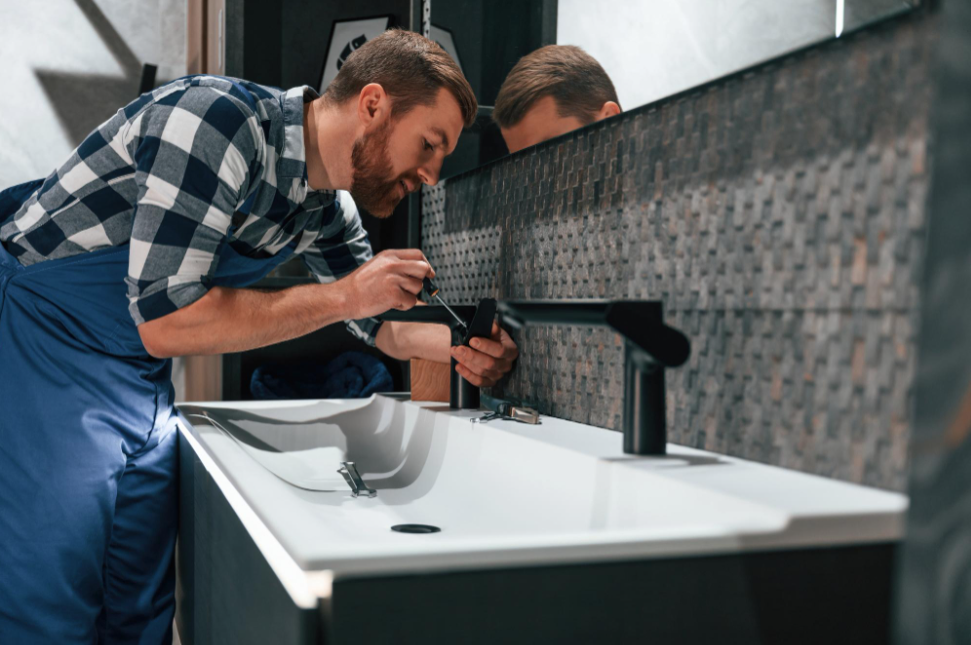
Emergency plumbing in Leawood, KS, starts with one clear goal: stop an active problem from threatening people, property, or essential plumbing. A burst pipe, sewage backup, overflowing fixture, or failing water heater can move from inconvenient to destructive quickly when water keeps flowing.
Leawood homes range from established properties with remodeled plumbing to newer houses with multiple bathrooms, finished lower levels, irrigation, and extensive hot-water systems. The source may be hidden, but the first response is often the same: protect people, isolate the water when safe, and describe the symptoms accurately when you call.
Knowing what requires prompt attention helps you act without panic. Local emergency plumbing services can address urgent household problems, while phone support can help you explain what is happening and arrange the appropriate service.
In this article, you will learn about:
- Which plumbing problems need immediate attention?
- What should you do before a plumber arrives?
- What causes plumbing emergencies in Leawood homes?
- How can you reduce the risk of another emergency?
Keep reading to make safer decisions during an urgent plumbing problem and limit avoidable damage.
Which plumbing problems need immediate attention?
Not every drip is an emergency, but water near electricity, uncontrolled discharge, sewage inside the home, or loss of an essential plumbing function should not be left to develop. The urgency depends on safety, flow rate, location, and whether you can isolate the affected fixture.
A slow faucet drip can usually be scheduled, while a supply line spraying inside a wall requires immediate action. When you call for plumbing service in Leawood, describe exactly what you see, hear, and smell so the team can help determine the next step.
Water is spreading and will not stop
An active supply-line leak can release water as long as the system remains pressurized. Burst pipes, failed appliance connectors, damaged shutoff valves, and separated fittings can soak drywall, insulation, flooring, cabinetry, and belongings before the source becomes obvious.
The scale of household water use shows why fast isolation matters. A U.S. Geological Survey report estimated average U.S. domestic use at 82 gallons per person per day in 2015, so even part of a normal household flow escaping in the wrong place can create a serious problem.
Treat the following conditions as reasons to act promptly:
- Water is spraying, pooling, or moving through a ceiling or wall.
- The main or fixture shutoff does not stop the flow.
- A ceiling is sagging or building materials are separating.
- Water has reached outlets, appliances, a panel, or exposed wiring.
- Pressure has dropped suddenly throughout the home while the meter shows use.
Do not stand in water near electrical equipment or touch a wet panel. Leave the affected area and contact the appropriate emergency authority when there is an immediate electrical, fire, gas, or structural danger.
Once the water is safely controlled, professional leak repair should address the failed pipe or connection. Drying the visible surface without correcting the source leaves the same materials vulnerable when pressure is restored.
Sewage is backing up through a drain
Wastewater coming through a toilet, shower, floor drain, or basement fixture is more than a drainage inconvenience. It can expose occupants and surfaces to contamination, especially when the backup spreads beyond the fixture.
The U.S. Environmental Protection Agency explains that untreated sewage can contain bacteria, viruses, protozoa, intestinal worms, molds, and fungi. The agency recommends thorough cleaning and disinfection when sewage floods a basement.
Stop using sinks, toilets, showers, dishwashers, and washing machines because additional discharge can worsen the backup. Keep children and pets away, avoid direct contact, and do not use a household plunger when several fixtures are affected or contaminated water is already escaping.
Repeated gurgling, slow drains, foul odors, and wet areas above a buried line can provide advance warning. Recognizing sewer line trouble before wastewater enters the home gives you more time to schedule inspection and repair.
The water heater is leaking or acting unsafe
Water around a heater may come from a connection, drain valve, relief discharge, condensation, or the tank itself. Active tank leakage, unusual popping with visible distortion, a gas odor, scorching, or water near electrical components calls for a cautious response.
Do not cap the temperature and pressure relief line, relight a unit after a suspected gas problem, or work on energized equipment in a wet area. Follow the manufacturer's shutdown instructions only when you can do so safely, and leave the area if you smell gas.
Hot-water safety matters even without a visible leak. The U.S. Department of Energy notes that water heating can account for 14% to 25% of household energy use and recommends a 120°F setting to save energy and reduce scald risk.
A heater that produces inconsistent temperatures or cannot meet ordinary demand may be developing a performance issue rather than an emergency. Changes in supply, sounds, or recovery can help a plumber determine why a water heater is not keeping up before complete failure.
What should you do before a plumber arrives?
The safest response is specific to the problem. Your task is to limit water and exposure without dismantling the system, entering an unsafe area, or making a temporary repair that hides the evidence.
Take a moment to identify what is affected. One overflowing toilet requires a different shutoff than a broken main line, and a sewer backup should not be handled like clean supply water.
Isolate the source when it is safe
Use the closest working shutoff first. A fixture valve can stop water to one toilet, sink, or appliance while leaving the rest of the house available, but a burst line or failed local valve may require the main shutoff.
If the source is not visible, listen for running water and check whether the meter shows flow after all known fixtures and appliances are off. Do not open walls, floors, or meter pits to search for the break.
Use this order to control an active event:
- Move people away from electrical, gas, sewage, or structural hazards.
- Close the affected fixture valve if it is accessible and working.
- Use the main water shutoff when the local valve cannot control the flow.
- Stop using all drains when wastewater is backing up.
- Call for service and report what changed after each safe action.
Leave a stuck or corroded valve alone rather than forcing it until it breaks. Tell the plumber that the valve did not operate so it can be included in the diagnosis and repair scope.
Homeowners who know the shutoff locations before an emergency can respond faster. A whole-home plumbing inspection and repair visit is also an opportunity to identify valves that are inaccessible, unlabeled, or no longer reliable.
Protect the area and preserve useful evidence
Move belongings away from clean water if you can do so without entering an unsafe space. Use buckets or towels only for a contained drip, and never stand below a ceiling that is bulging with water.
Photograph the source, affected materials, meter reading, and visible damage before cleanup begins. Note when the problem started, which fixture was running, and whether closing a valve changed the flow.
Do not pour a chemical cleaner into a backed-up drain. The product may remain trapped in standing water, create exposure risks, damage some materials, and make the working conditions more hazardous for anyone who opens the line.
Mechanical diagnosis is a safer path for a serious or recurring obstruction. The risks of chemical drain cleaners are especially relevant when the cause could be a damaged pipe, root intrusion, or blockage beyond one fixture.
Give the plumbing team specific information
A useful call describes the location, rate, water type, and immediate hazards. Say whether the water is clear or contaminated, hot or cold, constant or intermittent, and whether the main valve has been closed.
Share any recent freezing, remodeling, drain problems, high bills, pressure changes, or previous repairs. Mention if the home has a finished basement, slab piping, sump pump, irrigation system, or multiple water heaters that could affect the diagnosis.
Benjamin Franklin Plumbing of Kansas City's local service information says its phones are answered 24/7 for scheduling and support, while its FAQ clarifies that the location does not promise true emergency dispatch. Calling promptly still allows the team to assess the situation and offer the earliest appropriate scheduling information without an unsupported arrival-time guarantee.
Have your Leawood address, callback number, and access information ready. Clear communication helps the plumbing team arrive prepared for the reported problem and reduces time spent rediscovering steps you have already taken.
What causes plumbing emergencies in Leawood homes?
Most emergencies have a cause that developed before the visible event. Aging components, freeze exposure, repeated clogs, pressure problems, corrosion, and neglected equipment can all reach a point where normal use triggers failure.
Leawood's mix of finished basements, mature landscaping, irrigation, and homes built in different eras makes whole-system diagnosis valuable. The same symptom may come from an indoor fixture, underground service line, sewer lateral, or groundwater-management equipment.
Freezing temperatures expose vulnerable pipes
Pipes in exterior walls, garages, crawl spaces, cabinets, and unconditioned areas are more likely to freeze when cold air reaches them. Ice can block flow, raise pressure within the pipe, and reveal a crack only after the line begins to thaw.
The Kansas City area can experience conditions far below the freezing point. The National Weather Service annual climate report recorded a 2025 low of -10°F at Kansas City International Airport, while the long-term record low listed in the report is -23°F.
During a cold snap, keep garage doors closed around plumbing, open sink cabinets when warm indoor air needs to reach supply lines, and maintain safe indoor heat. Disconnect outdoor hoses before freezing weather arrives.
Preventive steps cannot guarantee that every pipe will remain intact, especially during power loss or severe cold. A practical winter pipe protection plan should also include knowing how to close the main valve if thawing reveals a break.
Drain and sewer problems build over time
Grease, wipes, hair, soap residue, foreign objects, root intrusion, and damaged piping can narrow a drainage path. One slow sink may be a local clog, but several slow fixtures or a basement drain that reacts when an upstairs toilet flushes can point toward a larger restriction.
Water seeks the lowest available opening when a main drain cannot carry normal discharge. That is why sewage may first appear in a lower-level shower, floor drain, or toilet even though the triggering use happened elsewhere.
Repeatedly clearing only the nearest fixture can miss the real cause. Professional clogged drain service can determine whether the blockage is local, in a branch, or farther along the sewer line.
Camera inspection may be appropriate when clogs return, roots are suspected, or the pipe's condition is uncertain. The need for sewer line repair should be based on what the inspection shows rather than assuming every backup needs the same method.
Pumps, valves, and equipment can fail under demand
Sump pumps, shutoff valves, pressure regulators, supply hoses, and water heaters often fail when conditions place them under stress. A storm, heavy water use, or extended equipment cycle may expose wear that was not obvious during normal operation.
A wet basement during or after rain is not automatically a plumbing supply leak. It may involve foundation drainage, a failed sump pump, power loss, or a discharge line that is frozen, blocked, or returning water toward the house.
Test accessible equipment according to manufacturer guidance and listen for changes in cycling or operation. A professional evaluation of sump pump performance can identify installation, discharge, switch, or capacity concerns before the next heavy-rain event.
Valves deserve attention as well. A main shutoff that cannot close turns a small pipe failure into a harder event to control, so replace unreliable valves during planned service instead of discovering the problem during an active leak.
How can you reduce the risk of another emergency?
Preventive plumbing care is less about trying to predict every failure and more about improving visibility and control. When you know the normal sounds, pressures, drainage behavior, and water use in your home, a change stands out sooner.
Use each repair as an opportunity to ask why the component failed and whether similar connections are the same age. A targeted review can reveal related wear without turning the visit into unnecessary replacement work.
Build a simple monthly observation routine
Look under sinks, around toilets, beside appliances, at the water heater, and along finished basement edges. Check for moisture, corrosion, mineral residue, staining, soft materials, or a shutoff valve that has begun to seep.
Run rarely used fixtures and watch how quickly they drain. Listen for gurgling, unexpected pump cycling, toilet refilling, or water movement when the house should be quiet.
A short checklist keeps the habit manageable:
- Review the water bill and daily usage for an unexplained change.
- Check appliance hoses and visible supply connections.
- Confirm that drains empty without repeated gurgling or backup.
- Look for moisture around the heater and sump pump.
- Keep the main shutoff visible, accessible, and clearly identified.
For WaterOne customers, a leak-related bill adjustment has specific criteria. The utility says the affected billing period must show gallons-per-day use at least 25% above the three-year average for the comparable period, reinforcing the value of keeping records and correcting the source.
An adjustment is not a substitute for repair, and qualification is not automatic. Usage history, repair documentation, and the utility's current rules determine whether a request can be considered.
Schedule recurring trouble before it becomes urgent
A drain that clogs again, a toilet that refills intermittently, a pressure change, or corrosion at a valve is giving you time to investigate. Scheduling service at that stage is easier than waiting until normal use is no longer possible.
Professional drain cleaning may be appropriate for recurring slow flow, but the method should match the obstruction and pipe condition. A damaged or root-filled sewer line needs a different solution than soft buildup near one fixture.
Water heaters also benefit from attention before active leakage. Changes in temperature, recovery, sounds, or visible corrosion can help determine whether maintenance, repair, or planned replacement makes sense.
When the unit is reaching the end of reliable service, compare water heater repair and replacement before a loss of hot water forces a rushed decision.
Make the home easier to protect
Label the main shutoff and fixture valves, keep storage away from water heaters and sump equipment, and make sure a plumber can reach key components. Household members who are old enough to respond should know where the main valve is and when not to enter a wet area.
Consider water-use alerts or leak-monitoring equipment when the home is frequently vacant, contains finished space below plumbing, or has many fixtures. These tools do not replace maintenance, but earlier notification can shorten the time between failure and response.
A broader residential plumbing assessment can prioritize aging valves, exposed pipes, recurring drainage trouble, and equipment concerns. The goal is a practical sequence of improvements, not replacing every component at once.
Keep the contact information for your local plumbing provider with the house records. When an emergency occurs, you can spend the first minutes controlling the problem instead of searching for basic service details.
Conclusion
A plumbing emergency becomes more manageable when you recognize the hazard, stop using the affected system, and isolate water safely. Uncontrolled leaks, sewage backups, unsafe water-heater conditions, and widespread drainage failures deserve prompt professional attention.
Do not enter water near electricity, force a damaged valve, or pour chemicals into a backed-up system. Protect people first, document what happened, and give the plumbing team specific information about the source, flow, and steps already taken.
Prevention begins with accessible shutoffs, regular observation, and timely service for recurring symptoms. Those habits help you catch problems while you still have choices about scheduling and repair.
For annual plumbing attention and priority scheduling benefits, explore Club Membership with Benjamin Franklin Plumbing of Kansas City and build a more prepared plan for your Leawood home.

 Your Privacy Choices