
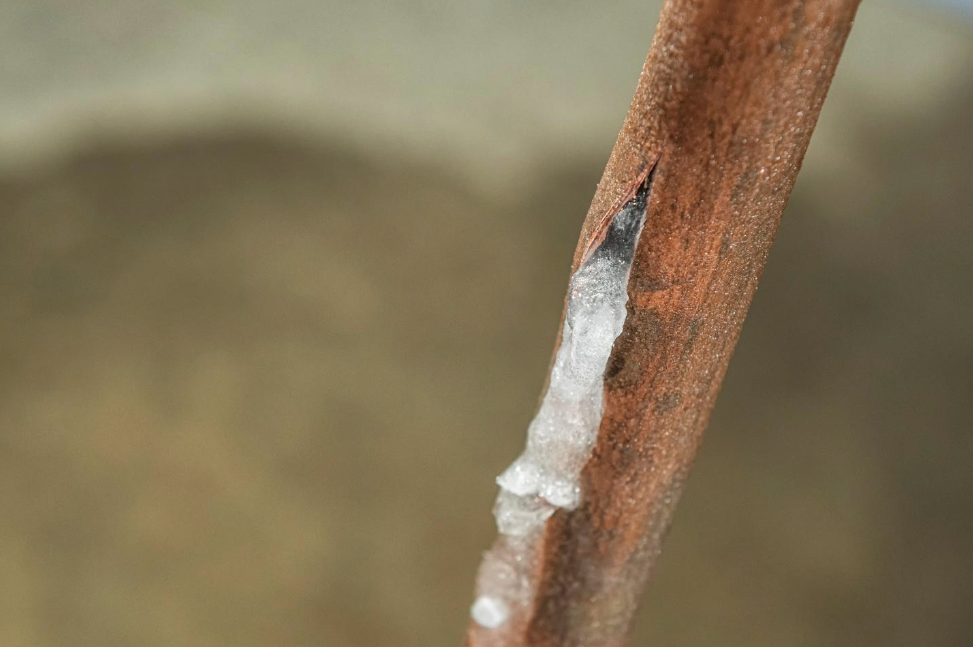
Key Takeaways About Prevent Frozen Pipes
Prevent frozen pipes refers to steps that keep water in home plumbing from turning to ice and causing damage. This guidance is for Marion, SC homeowners and matters before cold weather arrives.
- Identify exposed supply lines and weak insulation areas quickly.
- Prevent outdoor faucet damage by draining and covering spigots.
- Avoid large indoor temperature swings overnight or when away.
- Spot early signs like reduced flow frost or unusual pipe noises.
- Reduce risk with pipe insulation heat tape and sealed penetrations.
- Plan a professional inspection and written report before cold snaps.
Introduction
When a pipe freezes, it can crack and cause water damage that gets expensive and stressful to fix. Homeowners in Marion, SC often underestimate how quickly low temperatures affect exposed plumbing. Pipes under sinks, in crawl spaces, or along exterior walls are especially vulnerable during cold snaps. Preventing frozen pipes starts with simple protections and timely checks.
Frozen pipes often show warning signs before they burst, such as slow drains, odd sounds, or unusually cold fixtures. Ignoring these signs increases the chance of a leak that soaks floors and walls. That type of damage can disrupt daily routines and require extensive repairs. Addressing risks early reduces disruption and limits repair scope.
Keeping indoor temperatures steady and preparing outdoor faucets can greatly reduce freeze risk for most homes. A professional inspection of shutoff valves, supply lines, and exposed sections helps confirm vulnerabilities. Benjamin Franklin Plumbing of Florence, SC can assess those components and recommend targeted steps for your property. Expert checks help homeowners feel confident their plumbing will withstand cold weather.
Property specifics matter because foundation type, plumbing layout, and insulation levels change how pipes respond to cold. A technician will inspect visible supply lines, P-traps, shutoff valves, and accessible cleanouts to form a diagnosis. They may use simple tests and visual checks to confirm which areas need attention. Acting before a freeze helps avoid emergency repairs and water loss.
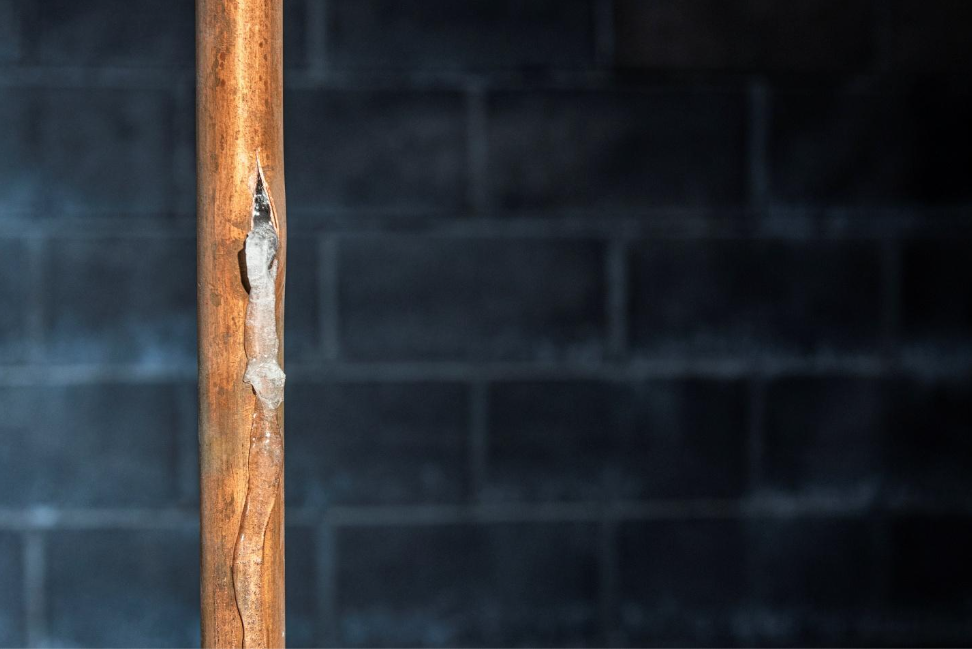
Photo from iStock - Credit: cmannphoto
How Freezing Occurs in Marion Home Plumbing
How freezing occurs in Marion home plumbing refers to water inside pipes turning to ice and expanding until the pipe weakens or bursts.
- Water expands as it freezes and increases pressure inside the pipe.
- Cold air contacting an exposed pipe removes heat quickly.
- Slow-moving water is more likely to freeze in narrow sections.
- Pipe materials and wall placement affect freeze speed.
Cold pockets form where pipes run along unheated exterior walls or through crawl spaces with thin insulation. A common homeowner question asks whether a pipe feels cold before freezing, yes, touchable cold spots often precede ice formation. Technicians check for cold spots by feeling supply lines, tracing along shutoff valves, and inspecting P-traps near exterior walls. They also look for signs of previous freezing like bulges or frost on pipes.
Ice first appears in low-flow sections such as near shutoff valves, bends, or narrow fittings where water stagnates. Prolonged drafts from unsealed gaps speed heat loss and raise freeze risk around supply lines. Professionals use a pressure gauge and visual inspection to confirm frozen sections and may run brief warm-water flows to localize the ice. If pressure readings drop or fittings show frost, those findings indicate freezing or imminent freeze conditions.
Homes in Florence, SC with older plumbing or poor insulation often see faster freeze progression along exterior runs. A clear early symptom is a sudden drop in flow from a faucet served by the affected pipe. If you suspect freezing, avoid using open flames and contact a licensed plumber for safe thawing and repair. Scheduling a professional plumbing inspection & diagnosis before temperatures fall helps identify vulnerable sections and prevent frozen pipes.
Common Causes That Lead to Frozen Pipes
Pipes freeze for several practical reasons beyond low temperature alone, especially where warm water flow stops and cold collects. Poorly sealed holes where pipes pass through walls let cold air concentrate around supply lines and fittings. Narrow sections like faucet stems and threaded joints cool faster and trap ice earlier than straight runs. Homeowners who store long garden hoses on hose bibs unknowingly prolong cold exposure to outdoor valves.
Insufficient or missing insulation on pipes under floors and in attics raises freeze risk because those areas lose heat quickly. Metal pipes such as copper transfer heat away faster than plastic, increasing chance of ice formation along exterior walls. Repeated small freezes can weaken fittings and create hairline leaks that go unnoticed until a major failure. Technicians inspect accessible insulation and measure exposed pipe surface temperatures to find these weak spots.
Intermittent heating patterns inside a house contribute when thermostats allow large temperature swings overnight or during work hours. Air movement from open windows, attic fans, or poorly sealed vents can create cold pockets that linger near plumbing. A professional may use an infrared camera or a temperature probe to detect these cold areas along pipe runs.
Pressure changes and trapped air can exacerbate freezing by creating low-flow zones near bends or shutoff valves where ice forms first. Corroded shutoff valves and sediment buildup narrow passages and slow water movement, making freezing more likely in those sections. During an inspection, a plumber will operate each shutoff valve and test flow to find restricted or failing components. They may also check cleanouts and P-traps for obstructions that reduce circulation toward exterior fixtures.
For properties in Marion, SC, localized factors like crawl space ventilation or sidewall exposures matter when planning protections before cold arrives. A visit from a plumber includes visual checks of supply lines, operation of shutoff valves, and documenting findings in a written report. If you want help identifying vulnerable sections and next steps to prevent frozen pipes, schedule a professional inspection for a focused assessment.
Key Warning Signs of Imminent Pipe Freezing
Watch for sudden reductions in water flow from a single faucet that indicate narrowing from ice forming inside the line. Another sign is visible frost or condensation on a supply pipe surface that feels much colder than nearby pipes. Listen for unusual knocking or creaking noises when you run water, which can signal shifting ice or expanding pressure in a section. If you notice that hot water arrives much slower than usual, that delay can point to a partial freeze in a hot water branch.
Pay attention to repeated tripped GFCI outlets near outdoor faucets or garage sinks, since moisture from small leaks can freeze and affect nearby electrical components. Check under sinks and in crawl spaces for damp insulation or wet spots that freeze and then thaw, suggesting intermittent freezing. A frost line or ice buildup on exposed fittings around shutoff valves shows cold air is reaching vulnerable connections. When you detect these cues, avoid using open flames and shut off water at the main if you suspect imminent failure.
Professionals diagnose freezing by comparing pressure readings and inspecting visible pipe temperatures along runs with a temperature probe or infrared camera. They will operate individual shutoff valves, test flow at nearby fixtures, and inspect P-traps and cleanouts for trapped ice pockets. A written report will document readings, observations, and recommended repairs or insulation locations for follow-up work. For properties in Marion, SC, these steps clarify where to add protections before temperatures drop further.
If you have a history of partial freezes, note the time of day symptoms appear since nighttime temperature dips often reveal weak spots. Technicians also look for signs of past damage, like bulging joints or cracked fittings, which increase burst risk during a new freeze. Capturing photos and pressure readings during an inspection helps prioritize repairs and gives measurable baselines for future checks.
Protecting Exposed Pipes to Prevent Frozen Pipes
Start by locating all visible supply lines and anchor points where cold air reaches pipes near exterior walls. Use foam pipe insulation sleeves or fiberglass wrap to cover straight runs and joints where heat loss is fastest. Secure insulation with tape designed for plumbing to maintain contact and prevent gaps that allow cold air intrusion. For P-traps and short bends, use smaller-diameter foam or self-sealing wraps to ensure full coverage around curves and fittings.
- Insulate exposed copper and PVC runs.
- Seal gaps where pipes enter exterior walls.
- Install pipe heating cable on vulnerable sections.
- Protect shutoff valves with foam covers.
Where pipes pass through unheated crawl spaces, add insulation to the crawl space ceiling or shield pipes with removable access panels. Apply pipe heating cable only according to manufacturer instructions and use a thermostat or built-in sensor to avoid overheating. If you notice frost on pipe surfaces after adding protections, that signals either missing coverage or a failing heating element. A technician can test electrical continuity on heating cable and verify its thermostat calibration safely.
Check and wrap exposed hot water lines separately from cold lines to preserve heat distribution without trapping moisture. Insulating both hot and cold lines reduces condensation and helps keep overall temperatures steadier inside wall cavities. Use a moisture-resistant insulation where pipes cross ducts or near ventilation to avoid damp insulation problems.
Preparing Outdoor Faucets and Hose Bibs Properly
Shut off the indoor supply to outdoor hose bibs using the dedicated full-port shutoff valve often found in basements or utility rooms. Open the hose bib briefly after shutting the supply to drain remaining water from the exterior line and reduce trapped volume. Remove any attached hoses and store them indoors to avoid sealing water in the bib and to speed drying. If your shutoff valve is stiff or leaks when operated, note that for professional repair before cold arrives.
Install an insulated faucet cover over the exterior spigot to block wind and slow heat loss from the valve body and surrounding pipe. Choose a foam or molded cover sized to fully enclose the spigot and secure it firmly to prevent loss in wind. For frost-free sillcocks, confirm the angled stem slopes properly toward the interior to let residual water drain away from the exterior wall. If you see corrosion or water pooling at the stub-out, schedule a valve inspection to reduce freeze and leak risk.
When outdoor shutoffs are not accessible, consider installing a frost-free valve or adding a captive drain between the interior shutoff and hose bib to clear standing water. A plumber will inspect the supply line, operate the interior shutoff, and use a pressure gauge to confirm no trapped pressure remains. They may also perform a dye or flow test at the bib while the interior valve is open to verify full drainage and absence of hidden leaks. Documented test readings and photos help homeowners decide on upgrades and track future performance.
For homes in Marion, SC, freezing events can start at night, so time your outdoor preparations well before cold snaps to prevent frozen pipes. A technician can map exterior runs and show you where to add insulation or replace old valves during a maintenance visit. If you prefer professional help, contact Benjamin Franklin Plumbing of Florence, SC to schedule an inspection and targeted outdoor faucet work. Prompt action reduces the chance of emergency repairs and preserves property fixtures.
Maintaining Indoor Temperatures to Protect Pipes
Keep your thermostat at a steady temperature day and night to reduce thermal swings that stress pipe runs and fittings. Sudden nighttime drops allow cold to migrate through exterior walls and toward supply lines. Use programmable or smart thermostats to maintain minimum heat when you are away or asleep. Consistent indoor warmth lowers the chance that standing water inside a quiet branch will freeze.
Open cabinet doors under sinks and near exterior walls to let warm air circulate around plumbing and decrease cold pockets. Space heaters can provide targeted heat in unheated zones, but place them safely away from flammable materials and follow all manufacturer directions. Avoid running portable heaters unattended and use GFCI-protected outlets for devices near moisture. If you detect unusual sounds or smells while using supplemental heaters, stop and consult a professional for safety checks.
Seal drafts and gaps where cold air reaches interior plumbing by adding weatherstripping around doors and caulk around pipe penetrations. Inspect the perimeter of basements and crawl space access for visible gaps and repair them to limit cold air intrusion. A blower door test or infrared scan by a technician can reveal hidden drafts behind walls and under floors. Those diagnostics give measurable targets for sealing to help prevent frozen pipes.
During very cold forecasts, let a trickle of water run from faucets on affected branches to keep water moving and reduce freeze chance in low-flow sections. Monitor affected fixtures for reduced flow, changed water temperature, or frost around fittings as signs of developing ice. A plumber diagnosing a suspected freeze will check fixture flow, test pressure at cleanouts, and inspect visible supply lines for frost or bulging.
Insulation and Heating Solutions for Vulnerable Areas
Insulating vulnerable areas means more than wrapping pipes, it can include adding removable access panels for service and targeted electric heat tape installation. Choose heat tape with a built-in thermostat and follow manufacturer guidelines for installation and use to avoid overheating. Check junction boxes and GFCI protection where heat tape outlets are installed to ensure electrical safety. If unsure, hire a licensed electrician and plumber to coordinate safe power and plumbing connections.
- Measure exposed runs to buy correct insulation lengths.
- Install removable panels for crawl space pipe access.
- Select heat tape with a temperature sensor.
- Use closed-cell foam in tight gaps around pipes.
For enclosed utility closets, consider a small ducted heater or a thermostatically controlled fan to move warm air around pipes without heating the whole home. These devices keep temperature above freezing in spots where standard home heating struggles and reduce cold spots near shutoff valves. Have a technician confirm clearances and electrical capacity before installing any powered heater near plumbing. Proper placement prevents moisture buildup while maintaining safe distances from combustibles.
In attics and crawl spaces, add insulation to the space itself and avoid relying solely on pipe wraps, which can hide concealed drafts and moisture. Vapor-resistant insulation around pipe runs prevents condensation that can freeze on cold nights and promote corrosion. A professional can use an infrared camera to locate thermal bridges and show exactly where added insulation will most effectively prevent frozen pipes. This diagnostic step also helps prioritize improvements within a homeowner's budget.
When to Call a Professional for Frozen Pipes
If you find a frozen section that restricts flow or you see bulging pipe joints, call a licensed plumber right away. A professional will perform a visual inspection and check pressure at cleanouts to locate the freeze. They can safely thaw lines using controlled heat sources and confirm no hidden cracks remain. Attempting high-heat methods yourself risks pipe damage and personal injury, so avoid them.
Persistent low pressure, repeated partial freezes, or a history of leaks near exterior walls indicate a deeper issue needing professional diagnosis. Technicians will test shutoff valves, operate individual branch valves, and use a pressure gauge to map problem areas. They may employ an infrared camera or temperature probe to confirm cold pockets without invasive work. The inspection results guide targeted repairs and insulation upgrades to prevent future freezes.
When you detect moisture after a thaw or small, unexplained drips from fittings, schedule service to inspect for hairline cracks and compromised seals. A plumber will examine P-traps, supply line connections, and the condition of shutoff valves, documenting findings with photos and pressure readings. If replacement parts are needed, they can swap in new shutoff valves, sections of pipe, or add a captive drain to outdoor bibs. This approach reduces the chance of delayed failure when temperatures climb or fall again.
For homeowners who prefer professional preventive work, arrange a maintenance visit before cold spells and ask for a written report with recommendations. Technicians can prioritize actions like installing controlled heat tape, adding removable access panels, or relocating vulnerable runs away from exterior walls. If you want help scheduling inspections or repairs, contact Benjamin Franklin Plumbing of Florence, SC to arrange an assessment for properties in Marion, SC.

 Your Privacy Choices