Are galvanized pipes causing rust damage, corrosion buildup, or low water pressure in your aging Woodland Park or Winona, SC home? Learn the warning signs that signal it may be time for replacement.
Understanding Why Galvanized Pipes Were Common
Galvanized pipes became popular because they offered durability and rust resistance during their early years. Builders frequently installed them in homes throughout the mid twentieth century. The zinc coating helped slow corrosion and extended pipe lifespan for decades. As a result, many aging homes still contain these outdated plumbing materials.
Homeowners once viewed galvanized pipes as a major improvement over older plumbing systems. The material handled water pressure well and remained affordable for residential construction projects. Additionally, galvanized steel provided strength for underground and indoor plumbing installations. Those benefits made the pipes attractive for growing neighborhoods.
Over time, however, the protective coating inside pipes begins wearing away naturally. Water exposure slowly eats through the zinc barrier and reaches the steel underneath. Once corrosion starts, rust forms inside the plumbing lines and continues spreading. Eventually, the entire plumbing system becomes vulnerable to damage.
Older homes in Woodland Park and Winona often experience these plumbing concerns more frequently today. Aging infrastructure and years of mineral exposure accelerate pipe deterioration throughout the home. Consequently, many residents notice reduced plumbing reliability as systems continue aging. Understanding this process helps homeowners recognize early warning signs sooner.
How Corrosion Slowly Builds Inside Galvanized Pipes
Corrosion develops gradually inside galvanized pipes as water continuously moves through aging plumbing lines. Minerals, oxygen, and moisture slowly weaken the protective zinc coating over time. Once the coating disappears, exposed steel begins rusting from the inside outward. Unfortunately, most homeowners cannot see this hidden damage immediately.
Mineral deposits often collect along the interior pipe walls and create thick buildup over several years. As the passage narrows, water flow becomes slower throughout the plumbing system. Homeowners may notice weak pressure while using showers, sinks, or appliances daily. In many cases, the issue worsens little by little without obvious warning.
Galvanized pipes also react differently depending on water quality and environmental conditions inside older homes. Hard water frequently speeds up mineral accumulation and internal corrosion problems. Additionally, aging pipes in humid areas may deteriorate faster due to prolonged moisture exposure. These conditions commonly affect homes throughout Woodland Park and Winona, SC.
Corrosion inside pipes rarely stops once the deterioration process begins. Rust continues spreading through the plumbing system and weakens pipe strength over time. Eventually, hidden damage can trigger leaks, water discoloration, and plumbing failures throughout the property. Early inspections often help homeowners identify these concerns before severe damage develops.
Warning Signs Your Galvanized Pipes Are Failing
Galvanized pipes often show warning signs long before complete plumbing failure occurs. Many homeowners overlook these symptoms because they develop slowly over several years. However, recognizing early plumbing problems can help prevent costly water damage and unreliable water flow. Homes in Woodland Park and Winona, SC commonly experience these issues as older plumbing systems continue aging.
Low Water Pressure
Corrosion and mineral buildup slowly narrow the inside of pipes over time. As the openings shrink, water struggles to move efficiently through the plumbing system. Homeowners may notice weak shower pressure or slow faucet flow throughout the home. This issue usually worsens as internal pipe corrosion continues spreading.
Discolored Water
Rust inside pipes can turn water brown, yellow, or reddish in color. This discoloration often appears after water sits in the pipes for several hours. In some cases, homeowners may also notice metallic tastes or unpleasant odors. These signs typically indicate advanced corrosion within aging plumbing lines.
Visible Rust or Corrosion
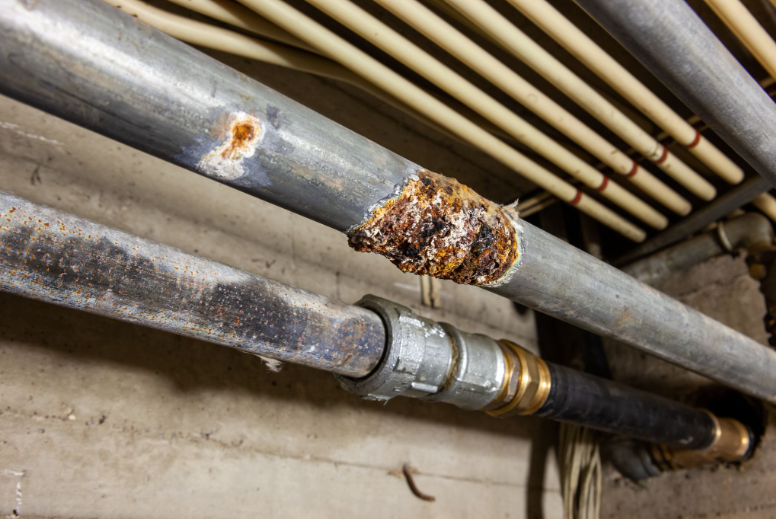
Exposed galvanized pipes sometimes develop rust spots, stains, or surface deterioration. Homeowners may notice discoloration around joints, valves, or basement plumbing areas. These visible warning signs often suggest hidden internal damage as well. Ignoring surface corrosion can eventually lead to leaks and pipe failure.
Frequent Plumbing Leaks
Aging galvanized pipes become weaker as corrosion damages the steel beneath the zinc coating. Small leaks may appear under sinks, behind walls, or near pipe connections. Even minor drips can signal serious internal deterioration inside the plumbing system. Over time, these leaks may create costly structural water damage.
Inconsistent Water Temperature
Corroded galvanized pipes may disrupt steady water flow to showers and household appliances. Homeowners sometimes experience sudden temperature changes while using hot water fixtures. Restricted water movement can affect plumbing efficiency throughout the entire home. This problem often becomes more noticeable during colder months.
Strange Plumbing Noises
Banging, rattling, or whistling sounds can occur when water moves through narrowed pipes. Mineral buildup and corrosion create uneven pressure inside aging plumbing systems. These unusual noises may indicate severe flow restrictions or developing pipe weaknesses. Professional inspections can help identify the exact cause quickly.
Recognizing these warning signs early can help homeowners avoid larger plumbing emergencies later. Galvanized pipes continue deteriorating once corrosion begins affecting the system internally. Prompt inspections and professional evaluations often reduce the risk of leaks, water damage, and reduced plumbing performance.
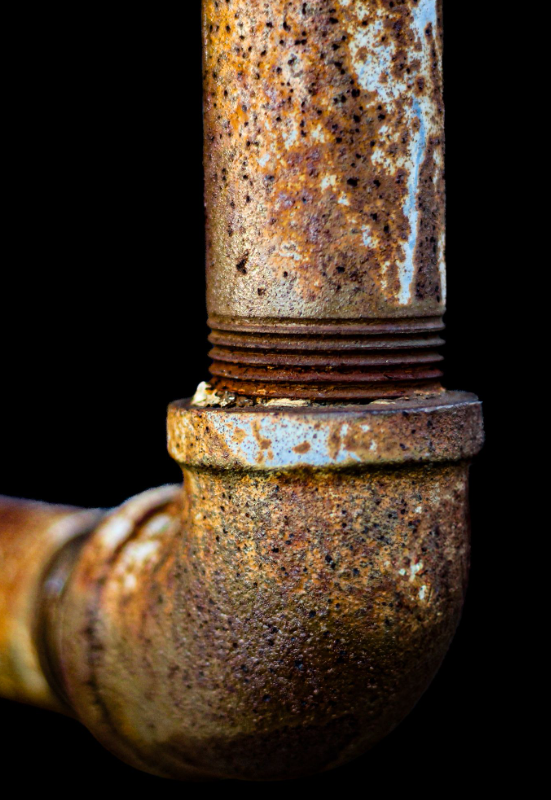
Photo from iStock - Credit: CarolineMunsterman
Why Rust Damage Creates Serious Plumbing Problems
Rust damage inside pipes creates far more than simple plumbing inconvenience. As corrosion spreads, the steel beneath the protective coating becomes increasingly weak and unstable. Over time, this hidden deterioration affects water quality, pipe strength, and overall plumbing reliability. Many older homes in Woodland Park and Winona, SC face these growing risks every year.
Weakened Pipe Structure
Rust slowly eats away at the steel walls inside galvanized pipes over time. As the metal weakens, pipes become more vulnerable to cracks and sudden failures. Even normal water pressure can stress severely corroded plumbing systems. Eventually, weakened pipes may burst and cause significant property damage.
Higher Risk of Water Leaks
Corrosion creates weak spots that allow water to escape through small openings. These leaks may develop beneath floors, behind walls, or inside ceilings without immediate detection. Hidden moisture often damages insulation, drywall, and wood framing throughout the home. Small plumbing leaks can quickly become expensive structural repairs.
Poor Water Quality
Rust particles frequently break loose inside aging pipes and enter household water supplies. Homeowners may notice cloudy water, sediment buildup, or unpleasant metallic tastes during daily use. These contaminants can affect cooking, cleaning, and bathing experiences throughout the home. Water quality concerns often increase as corrosion worsens.
Restricted Water Flow
Rust buildup narrows the inside diameter of galvanized pipes and limits water movement. Reduced flow commonly affects showers, sinks, dishwashers, and washing machines throughout older homes. Homeowners may struggle with inconsistent water pressure from room to room. Restricted plumbing performance often signals advanced internal pipe deterioration.
Increased Chance of Pipe Bursts
Corroded pipes lose durability as rust spreads through weakened metal surfaces. During colder weather, aging pipes may crack more easily under pressure changes. Sudden pipe bursts can release large amounts of water into the home quickly. Emergency plumbing situations often develop without much warning.
Ongoing Plumbing System Damage
Rust damage rarely remains isolated to one section of galvanized piping. Corrosion gradually spreads through connected plumbing lines over time. As deterioration continues, additional leaks and water pressure problems become more common. Delaying repairs often increases the risk of widespread plumbing failure.
Rust damage inside pipes can affect every part of a home's plumbing system. Early warning signs should never be ignored because corrosion continues worsening with age. Professional plumbing inspections help homeowners identify hidden deterioration before severe damage develops.
Reduced Water Flow and Everyday Household Frustrations
Reduced water flow is one of the most noticeable problems caused by aging pipes. Over time, corrosion and mineral buildup collect inside the plumbing lines and restrict water movement. As the pipe openings narrow, homeowners often experience weaker pressure throughout the house. These issues usually appear gradually and become more frustrating with daily use.
Many household activities become harder when pipes limit steady water flow. Showers may lose pressure unexpectedly, while sinks and bathtubs take longer to fill completely. Washing machines and dishwashers may also perform less efficiently because they rely on consistent water pressure. In some homes, running multiple fixtures at once can create sudden drops in water flow.
Older homes in Woodland Park and Winona, SC commonly experience these plumbing problems as galvanized pipes continue deteriorating with age. Hard water minerals often speed up buildup inside the aging steel pipes and worsen flow restrictions. Seasonal temperature changes can also place additional stress on weakened plumbing systems over time. As corrosion spreads, uneven water pressure may affect different areas of the home.
Ignoring reduced water flow can allow hidden plumbing damage to become more severe over time. Many homeowners assume low pressure is a minor inconvenience instead of a warning sign of pipe deterioration. However, restricted water movement often signals advanced corrosion inside pipes that may eventually lead to leaks or failures.
Health and Water Quality Concerns from Aging Pipes
Aging galvanized pipes can create serious concerns for household water quality over time. As corrosion spreads inside the pipes, rust and sediment begin entering the water supply regularly. Homeowners may notice discolored water, metallic tastes, or unpleasant odors during daily use. These warning signs often indicate advanced deterioration within the plumbing system.
Rust particles and mineral buildup inside pipes can affect water clarity and consistency throughout the home. Sediment may collect in sinks, bathtubs, and household appliances that rely on clean water flow. In some cases, corrosion can also reduce the efficiency of water heaters and filtration systems. These issues often become more noticeable as the plumbing system continues aging.
Older homes in Woodland Park and Winona, SC may face increased plumbing concerns due to long term pipe exposure and regional water conditions. Hard water minerals can accelerate internal corrosion and increase buildup inside aging pipes. Seasonal temperature changes may also place additional stress on weakened plumbing materials throughout the year. As deterioration worsens, maintaining clean and reliable water becomes increasingly difficult for homeowners.
Ignoring water quality issues can allow hidden plumbing damage to continue spreading unnoticed inside the home. Many homeowners delay inspections because plumbing problems often develop slowly over several years. However, aging pipes rarely improve once corrosion reaches advanced stages within the system.
Why Older Homes in Woodland Park and Winona Face Higher Risks
Older homes in Woodland Park and Winona, SC often experience more plumbing problems because many still contain aging galvanized pipes. These older plumbing systems have remained in use for decades and continue weakening with time. As the protective zinc coating deteriorates, corrosion slowly spreads through the steel pipes internally. Homeowners may not notice the damage immediately because much of the deterioration happens out of sight.
Regional water conditions can also increase the risk of corrosion inside pipes throughout older homes. Hard water minerals commonly collect along the pipe walls and create thick internal buildup over time. This buildup restricts water flow and places additional pressure on aging plumbing systems daily. Seasonal humidity and temperature changes may further weaken already corroded pipes in vulnerable areas of the home.
Many older neighborhoods contain plumbing systems installed long before modern materials became common in residential construction. As galvanized pipes continue aging, they become more likely to leak, crack, or develop severe rust damage. Some homeowners may experience discolored water, reduced water pressure, or recurring plumbing issues throughout the property. Unfortunately, delaying inspections often allows hidden pipe deterioration to become more serious and expensive.
Professional plumbing evaluations help homeowners identify aging pipe problems before major failures occur. Early inspections can reveal corrosion, mineral buildup, and weakened plumbing sections inside the home. Replacing deteriorating galvanized pipes often improves water quality, plumbing efficiency, and long term reliability significantly.
Hidden Leaks and Structural Damage Inside Aging Homes
Hidden leaks are a common problem in homes with aging galvanized pipes. As corrosion weakens the steel pipes internally, small cracks and openings can begin forming over time. These leaks often develop behind walls, beneath flooring, or inside ceilings where homeowners cannot easily see them. Unfortunately, unnoticed moisture can continue spreading long before visible damage appears inside the home.
Even small plumbing leaks can create serious structural problems when left untreated for long periods. Water exposure may damage drywall, wood framing, insulation, and flooring throughout the property gradually. In some cases, moisture buildup can also encourage mold growth in dark or poorly ventilated spaces. These hidden plumbing issues often become more expensive to repair as damage spreads further.
Older homes in Woodland Park and Winona, SC may face greater risks because galvanized pipes naturally weaken after decades of use. Seasonal humidity and changing temperatures can place additional stress on already corroded plumbing systems throughout the year. Homeowners may notice water stains, peeling paint, warped flooring, or musty odors as warning signs of hidden leaks. However, many plumbing problems remain undetected until significant structural damage has already occurred.
Professional plumbing inspections help identify hidden leaks before major repairs become necessary. Early detection allows homeowners to address corrosion and pipe deterioration before serious property damage develops. Replacing aging pipes can improve plumbing reliability while reducing the risk of future leaks and moisture problems.
When Repairs Are No Longer Enough
Many homeowners attempt small plumbing repairs when problems first appear in aging pipes. Temporary fixes may stop leaks briefly or improve water pressure for a short period. However, corrosion inside the pipes continues spreading even after visible problems seem resolved. Over time, recurring plumbing issues often become more frequent and difficult to manage.
Galvanized pipes naturally weaken as rust damages the steel beneath the protective zinc coating. Patching isolated leaks may help temporarily, but surrounding sections of pipe often remain severely corroded internally. Homeowners may continue experiencing discolored water, inconsistent pressure, and repeated plumbing failures throughout the home. These ongoing issues usually indicate widespread deterioration inside the aging plumbing system.
Older homes in Woodland Park and Winona, SC commonly reach a point where repairs no longer provide reliable long term results. Repeated service calls and recurring leaks can quickly become frustrating for homeowners dealing with outdated plumbing systems. In many cases, aging galvanized pipes continue failing in different areas as corrosion spreads further. Delaying replacement may eventually increase the risk of severe leaks, water damage, and plumbing emergencies.
Professional plumbing evaluations help determine whether repairs or full pipe replacement offers the best long term solution. Replacing deteriorating pipes often improves water flow, water quality, and overall plumbing reliability significantly. Modern plumbing materials also resist corrosion far better than older galvanized steel systems.
Modern Plumbing Alternatives to Galvanized Pipes
Modern plumbing materials provide homeowners with safer and more reliable alternatives to aging galvanized pipes. As older plumbing systems deteriorate, many homeowners choose updated materials that resist corrosion and improve water flow. Replacing outdated pipes can also reduce the risk of leaks, rust contamination, and recurring plumbing repairs. These upgrades often improve overall plumbing performance throughout the home.
Copper piping remains a popular replacement option because of its durability and long lifespan. Copper resists corrosion better than galvanized pipes and supports steady water pressure throughout residential plumbing systems. Many homeowners also appreciate its reliability for both hot and cold water applications inside the home. Properly installed copper plumbing can continue performing efficiently for many years.
PEX piping has also become a common choice for modern plumbing upgrades in older homes. This flexible material handles temperature changes well and resists many corrosion problems associated with galvanized pipes. PEX installation often requires fewer connections, which may reduce the likelihood of future leaks developing. Homeowners frequently choose this option because it supports reliable water flow and long term plumbing efficiency.
Homes in Woodland Park and Winona, SC can benefit greatly from replacing aging pipes with modern plumbing materials. Updated systems often improve water quality, increase water pressure, and reduce future maintenance concerns significantly. Professional plumbing evaluations help homeowners determine which replacement option best fits their property needs.
The Importance of Professional Pipe Inspections
Professional pipe inspections help homeowners identify hidden problems inside aging galvanized pipes before serious damage develops. Many plumbing issues remain unnoticed because corrosion often spreads inside the pipes where it cannot be easily seen. Early inspections allow plumbers to detect buildup, rust damage, and weakening pipe sections throughout the home. Identifying these concerns early may help homeowners avoid expensive plumbing emergencies later.
Experienced plumbers use specialized equipment to evaluate the condition of galvanized pipes accurately and efficiently. Camera inspections can reveal internal corrosion, mineral buildup, and restricted water flow inside aging plumbing systems. Pressure testing may also help identify hidden leaks or weakened areas within the pipes. These professional tools provide homeowners with a clearer understanding of their plumbing system’s condition.
Older homes in Woodland Park and Winona, SC often benefit from regular plumbing evaluations because aging pipe systems continue deteriorating over time. Seasonal weather changes, humidity, and hard water minerals may increase corrosion risks inside galvanized pipes. Homeowners may not realize the severity of internal damage until major leaks or water pressure problems appear suddenly. Routine inspections help detect warning signs before plumbing failures create costly property damage.
Professional inspections also help homeowners make informed decisions about repairs or full pipe replacement when necessary. Understanding the condition of galvanized pipes allows property owners to plan for future plumbing upgrades more confidently. Replacing severely corroded pipes often improves water quality, plumbing efficiency, and long term reliability throughout the home.
Schedule a Professional Plumbing Inspection Today
Schedule a professional plumbing inspection today with Benjamin Franklin Plumbing of Florence, SC to identify galvanized pipe problems early and help protect your home from costly plumbing damage.

 Your Privacy Choices