Learn how poor drainage around foundations can lead to structural damage, moisture problems, and costly repairs. Discover warning signs, causes, and effective drainage solutions for homeowners in Greeleyville and Woodland Park, SC.
Introduction
Poor drainage around foundations can create serious risks for homeowners throughout South Carolina. Water may seem harmless at first, yet it often causes problems below the surface. When moisture collects near a home's base, structural materials can face ongoing stress. As a result, small concerns may gradually become expensive repairs.
Many homeowners do not notice foundation drainage problems until visible damage appears. However, water constantly interacts with the soil surrounding a property. When the ground becomes overly saturated, it can shift and lose stability. Consequently, the foundation may experience added pressure over time.
In communities such as Greeleyville and Woodland Park, seasonal rainfall can increase drainage challenges. During wetter periods, excess moisture around foundation areas may remain longer than expected. Furthermore, poor foundation drainage can affect both older and newer homes. Understanding these risks helps homeowners make informed decisions about property protection.
Fortunately, recognizing drainage issues around house foundation areas early can reduce long-term damage. Property owners who monitor water movement often identify concerns before they worsen. In addition, professional evaluations in Woodland Park, SC can uncover hidden foundation drainage concerns. Poor drainage around foundations should never be ignored when protecting a home's structural integrity.
How Water Affects Foundation Stability
Water plays a major role in the condition of a home's foundation. Although foundations are built for durability, they still depend on stable surrounding soil. When excessive moisture enters the ground, that stability can begin to change. Consequently, structural movement may become more likely over time.
As soil absorbs water, it often expands and places pressure on foundation walls. During drier periods, the same soil may contract as moisture evaporates. This continuous cycle can create uneven support beneath the structure. Therefore, foundation drainage problems often develop gradually rather than suddenly.
In addition, water pooling around foundation areas can weaken the soil's ability to support the home's weight. Saturated ground may become softer and less capable of maintaining consistent load distribution. As a result, portions of the foundation may settle at different rates. This uneven movement can contribute to cracks and structural stress.
Poor drainage around foundations also increases the likelihood of long-term foundation water damage. Over time, recurring moisture exposure can affect both the foundation and nearby building materials. Furthermore, changing soil conditions may worsen existing weaknesses. Understanding how water influences foundation stability is essential for preventing costly repairs and protecting the home's value.
Common Causes of Foundation Drainage Problems
Foundation drainage problems rarely happen without a cause. In many cases, everyday property conditions gradually allow water to collect near the home's base. Identifying these common issues can help homeowners prevent foundation water damage before it becomes a costly concern.
Improper Grading Around the Home
The ground surrounding a house should slope away from the foundation. When the landscape directs water toward the structure, moisture can accumulate near foundation walls. Over time, this condition may lead to poor drainage around foundations and increased structural stress.
Clogged or Damaged Gutters
Gutters are designed to channel rainwater away from the property. However, blockages and damage can cause water to overflow and saturate the soil below. As a result, excess moisture around foundation areas can become a recurring issue.
Downspouts That Discharge Too Close to the House
Even functioning gutters can create problems if downspouts release water near the foundation. Large volumes of runoff may collect in the same area after every rainfall. Consequently, water pooling around foundation sections may develop over time.
Poor Landscaping Design
Some landscaping features unintentionally trap water near the home. Flower beds, decorative borders, and retaining walls can interfere with natural drainage patterns. Therefore, drainage issues around house foundation areas may become more severe after heavy rain.
Compacted or Poorly Draining Soil
Certain soil types absorb water slowly and remain saturated longer. Compacted soil can also prevent proper water movement away from the structure. This condition increases the likelihood of drainage problems near foundation areas.
Heavy Seasonal Rainfall
Homes in communities such as Greeleyville and Woodland Park, SC often experience periods of significant rainfall. When drainage systems cannot manage excess water effectively, foundation drainage concerns may become more noticeable.
Understanding these common causes is the first step toward protecting a home's structural stability. By addressing drainage issues early, homeowners can reduce moisture-related risks and help prevent long-term foundation damage.
What We Frequently See During Drainage Inspections
During inspections across South Carolina, technicians frequently identify drainage conditions that contribute to foundation moisture problems and structural concerns.
Although some issues may appear minor, they can contribute to long-term moisture concerns and structural stress if left unaddressed.
One of the most common findings is downspouts that discharge water too close to the foundation. Even when gutters function properly, runoff released near the home can repeatedly saturate the surrounding soil. Technicians also frequently observe improper grading, where the landscape slopes toward the structure instead of directing water away. These conditions often increase the risk of water pooling around foundation areas after heavy South Carolina rainstorms.
Buried drainage lines are another concern that may go unnoticed for years. Over time, these systems can become clogged, damaged, or disconnected, preventing water from draining efficiently. During inspections, professionals may also discover saturated crawl spaces caused by poor ventilation, groundwater intrusion, or ongoing drainage issues. Excess moisture in these areas can contribute to mold growth, wood deterioration, and indoor air quality concerns.
In addition, soil erosion near foundation corners is a frequent warning sign of drainage problems. Moving water can gradually wash away supporting soil, creating uneven conditions around the home's base. In many South Carolina properties, recurring rainfall can accelerate erosion when drainage systems are not functioning properly. By identifying these issues early, homeowners can take proactive steps to improve drainage and help protect their property's long-term stability.
Signs of Drainage Issues Around House Foundation
Drainage problems often develop gradually, making them easy to overlook during the early stages. Fortunately, homes usually display warning signs before significant foundation damage occurs. Recognizing these indicators can help homeowners address concerns promptly and avoid more extensive repairs.
Standing Water After Rainfall
Puddles that remain near the home's perimeter long after a storm may indicate poor drainage around foundations. Water should flow away from the structure rather than collect beside it. Persistent pooling often signals an underlying drainage concern.
Damp Crawl Spaces or Basements
Excess moisture can find its way into lower areas of the home. Damp conditions may appear after heavy rainfall or during wetter seasons. Over time, moisture intrusion can contribute to foundation water damage and indoor air quality concerns.
Soil Erosion Around the Foundation
Moving water can wash away soil near the home's base. As erosion continues, portions of the foundation may lose consistent support. Consequently, structural movement becomes more likely.
Musty Odors Indoors
Lingering musty smells often indicate hidden moisture issues. These odors may develop when excess moisture around foundation areas creates damp conditions beneath or within the home. Early investigation can help prevent further problems.
Cracks in Exterior Brick or Concrete
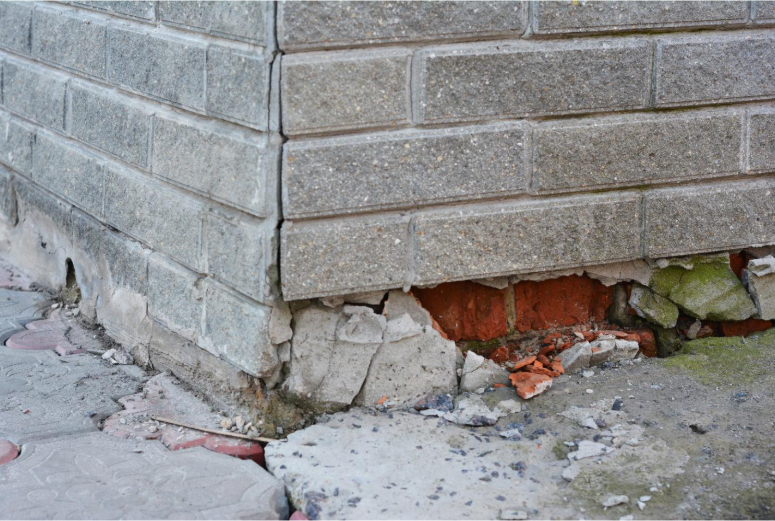
Small cracks may appear as soil shifts beneath the structure. While not every crack indicates a serious issue, growing or recurring cracks deserve professional attention. They can signal movement associated with drainage problems near foundation areas.
Water Stains on Interior Walls
Discoloration on walls or near floor surfaces may suggest moisture intrusion. These stains often appear when water repeatedly enters through vulnerable areas. Prompt action can help limit additional damage.
Mold or Mildew Growth
Moist environments create favorable conditions for mold and mildew. When drainage issues around the house foundation areas persist, moisture can accumulate in hidden spaces. This may affect both the structure and indoor comfort.
Homeowners who recognize these warning signs early can often avoid more extensive structural concerns. Regular property inspections and timely drainage improvements help protect foundations from ongoing moisture-related damage.
Water Pooling Around Foundation and Its Hidden Risks
During drainage inspections throughout South Carolina, technicians frequently find water pooling near foundations after storms. Even shallow standing water can indicate grading or runoff problems that may affect foundation stability over time. However, standing water often signals underlying drainage concerns that can affect a home's long-term stability. The longer water remains near the structure, the greater the potential for damage.
Increased Pressure Against Foundation Walls
When water accumulates around the foundation, it creates pressure against exterior walls. This force can gradually stress concrete and masonry materials. Over time, even strong foundations may develop weaknesses.
Higher Risk of Water Intrusion
Small cracks and openings can allow moisture to enter the home. As water continues to collect near the structure, the likelihood of seepage increases. Consequently, basements, crawl spaces, and lower levels may become vulnerable to moisture problems.
Soil Instability Around the Home
Excessive water can weaken the soil supporting the foundation. Saturated ground often loses its ability to provide consistent structural support. As a result, uneven settling and foundation movement may occur.
Foundation Cracks and Structural Stress
Repeated exposure to standing water can contribute to foundation deterioration. Minor cracks may expand as pressure and soil movement continue. Addressing drainage concerns early can help reduce long-term structural stress.
Increased Mold and Moisture Concerns
Damp conditions created by poor drainage often extend beyond the foundation itself. Moisture can migrate into hidden areas where mold and mildew thrive. This may affect both the structure and indoor comfort.
Accelerated Material Deterioration
Water exposure can gradually wear down construction materials surrounding the foundation. Concrete, wood, and other building components may deteriorate faster when moisture remains present. Preventing prolonged water contact helps preserve structural integrity.
Water pooling around foundation areas should never be ignored. Identifying and correcting drainage concerns early can help homeowners avoid costly repairs while protecting the safety and stability of their property.
How Excess Moisture Around Foundation Leads to Damage
Excess moisture around foundation areas can have a significant impact on a home's structural stability. Although foundations are designed to withstand normal environmental conditions, prolonged exposure to water creates challenges that can worsen over time. As moisture accumulates in the surrounding soil, the ground may lose its ability to provide consistent support. Consequently, the foundation can experience increased stress and movement.
When soil becomes saturated, it often expands and places pressure against foundation walls. During drier periods, the same soil may shrink as moisture levels decrease. This ongoing cycle of expansion and contraction can create uneven support beneath the structure. As a result, cracks, settling, and other signs of foundation drainage problems may begin to appear.
Excess moisture can also increase hydrostatic pressure around the home. Hydrostatic pressure occurs when water builds up in the surrounding soil and pushes against foundation walls. Over time, this pressure can contribute to cracks, water intrusion, and structural movement. Even small openings in the foundation may allow moisture to enter crawl spaces, basements, and other vulnerable areas. Therefore, poor foundation drainage often contributes to both structural concerns and indoor moisture issues.
In addition, long-term exposure to water can accelerate the deterioration of nearby building materials. Wood, concrete, and other structural components may weaken when subjected to constant moisture. What begins as a minor drainage issue can gradually develop into extensive foundation water damage. Addressing moisture concerns early helps protect the home's stability, safety, and long-term value.
Foundation Water Damage Warning Signs Homeowners Should Watch For
Foundation water damage rarely appears overnight. Instead, homes often display several warning signs that indicate moisture is affecting the structure. Recognizing these symptoms early can help homeowners address drainage concerns before more significant damage occurs.
Cracks in Walls, Ceilings, or the Foundation
Expanding and contracting soil can place stress on the foundation. As a result, cracks may develop in interior walls, ceilings, brickwork, or concrete surfaces. Widening cracks often deserve closer attention.
Doors and Windows That Stick
Foundation movement can cause frames to shift out of alignment. Homeowners may notice doors and windows becoming difficult to open, close, or latch properly. This issue can signal uneven settling beneath the home.
Uneven or Sloping Floors
Changes in soil stability can affect how the foundation supports the structure. Consequently, some floors may begin to slope, sag, or feel uneven when walked on. This symptom often becomes more noticeable over time.
Water Stains on Interior Surfaces
Moisture intrusion may leave discoloration on walls, baseboards, or flooring. These stains can indicate that water is entering areas where it should not be present. Prompt investigation can help limit further damage.
Damp Crawl Spaces or Basements
Persistent moisture beneath the home is a common sign of drainage problems near foundation areas. Damp conditions can create an environment that encourages mold growth and material deterioration.
Musty Odors Throughout the Home
Unpleasant odors often develop when moisture remains trapped in enclosed spaces. These smells may indicate hidden water issues connected to poor foundation drainage.
Visible Mold or Mildew Growth
Excess moisture creates ideal conditions for mold and mildew. Their presence can signal ongoing water exposure around the foundation and should not be ignored.
Gaps Around Walls, Trim, or Ceilings
As a foundation shifts, small separations may appear between building materials. These gaps can indicate movement caused by long-term moisture-related stress.
Homeowners who notice one or more of these warning signs should monitor conditions closely. Early attention to foundation drainage concerns can help prevent costly repairs and protect the long-term stability of the home.
Seasonal Drainage Concerns in Greeleyville and Woodland Park, SC
Homeowners in Greeleyville and Woodland Park, SC face drainage challenges that can change throughout the year. Seasonal weather patterns often influence how water moves across a property and around the foundation. As rainfall increases during certain months, the risk of moisture-related issues can also rise. Therefore, understanding local conditions is an important part of protecting a home's structural integrity.
During periods of heavy rainfall, the soil surrounding a foundation can quickly become saturated. When the ground absorbs more water than it can effectively drain, moisture may begin collecting near the home. Consequently, poor drainage around foundations becomes more likely to develop. Extended wet conditions can also increase hydrostatic pressure against foundation walls.
Storms can create additional drainage concerns by overwhelming gutters, downspouts, and natural runoff paths. Water that is not directed away from the structure may accumulate around the home's perimeter. Over time, repeated exposure to excess moisture around foundation areas can contribute to soil instability and foundation movement. Regular inspections following major storms can help identify developing problems.
Although rainfall is often the primary concern, changing weather conditions throughout the year can also affect soil behavior. Wet periods followed by dry conditions may cause the soil to expand and contract repeatedly. This cycle can place additional stress on the foundation and surrounding structures. Staying proactive with drainage maintenance helps homeowners reduce risks and better protect their investment regardless of the season.
The Connection Between Poor Foundation Drainage and Plumbing Issues
Many homeowners view foundation drainage and plumbing systems as separate concerns. However, these two parts of a property often work more closely together than expected. When drainage problems develop around a foundation, they can create conditions that affect underground plumbing components. As a result, addressing water management issues may help prevent additional plumbing-related complications.
Excess moisture in the soil can cause the ground to shift and move over time. As soil expands and contracts, underground pipes may experience additional stress. This movement can affect pipe alignment and place strain on plumbing connections. Consequently, recurring drainage concerns may contribute to long-term infrastructure problems beneath the property.
Water accumulation near the home can also increase pressure on buried drainage systems. During periods of heavy rainfall, overwhelmed drainage pathways may struggle to move water away efficiently. If these conditions persist, homeowners may notice signs of poor drainage around foundations alongside plumbing performance issues. Early detection can help prevent minor concerns from becoming larger repairs.
Maintaining proper drainage benefits both the foundation and the plumbing system. When water is effectively directed away from the home, the surrounding soil remains more stable and predictable. This stability helps reduce unnecessary stress on underground components. By addressing foundation drainage concerns promptly, homeowners can better protect multiple parts of their property's infrastructure.
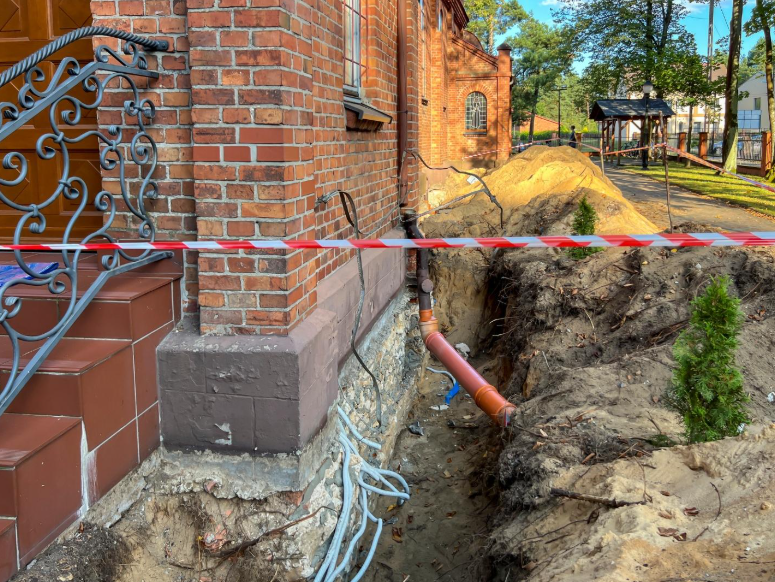
Photo from iStock - Credit: rparys
Effective Solutions for Improper Drainage Around Foundation
The good news is that many foundation drainage concerns can be addressed before they cause significant structural damage. The most effective solutions focus on directing water away from the home and reducing moisture buildup around the foundation. Homeowners seeking reliable plumbing services in Greeleyville, South Carolina, can benefit from professional evaluations that identify drainage issues before they escalate. When implemented correctly, these measures can help protect both the structure and the surrounding property.
Improve Property Grading
The ground around the home should slope away from the foundation whenever possible. Proper grading encourages rainwater to flow away from the structure rather than collect near it. This simple adjustment can significantly reduce water-related risks.
Maintain Gutters and Downspouts
Gutters and downspouts play a vital role in managing rainwater. Keeping them clean and in good condition helps ensure water is directed away from the home. Downspouts should discharge runoff far enough from the foundation to prevent pooling.
Install Surface Drainage Solutions
In some situations, additional drainage systems may be beneficial. Surface drainage features can help redirect excess water away from vulnerable areas around the property. These systems support better water management during heavy rainfall.
Address Low Areas Around the Property
Depressions in the landscape often collect water after storms. Correcting these areas can help eliminate standing water and improve overall drainage performance. This also reduces the likelihood of water pooling around foundation walls.
Monitor Landscaping Features
Landscaping should complement, not hinder, drainage patterns. Flower beds, retaining walls, and decorative elements should allow water to move away from the home naturally. Regular evaluations can help identify potential concerns.
Schedule Professional Drainage Evaluations
Some drainage issues are not immediately visible from the surface. Professional inspections can identify underlying concerns and recommend appropriate solutions based on the property's unique conditions. Early assessment often helps prevent more extensive damage later.
Protecting a foundation begins with effective water management. By addressing improper drainage around foundation areas and maintaining key drainage components, homeowners can reduce moisture-related risks and help preserve their property's long-term stability. Experienced professionals who provide drain services can help identify drainage concerns and recommend long-term solutions tailored to the property.
Preventing House Foundation Drainage Issues Before They Start
Preventing drainage problems is often easier and less disruptive than addressing foundation damage after it occurs. While no property is completely immune to water-related concerns, proactive maintenance can significantly reduce potential risks. A few simple habits can help homeowners identify developing issues before they affect the foundation. As a result, the home remains better protected throughout the year.
Regular property inspections are one of the most effective ways to spot early warning signs. Homeowners should pay attention to areas where water collects after rainfall and monitor changes in the surrounding landscape. In addition, checking for soil erosion, standing water, and moisture buildup can reveal drainage concerns before they worsen. Early detection often leads to simpler solutions.
Maintaining gutters and downspouts also plays an important role in foundation protection. When these systems function properly, they help move water away from the home's perimeter. However, clogged or damaged components can allow runoff to accumulate near the foundation. Consistent maintenance helps reduce the likelihood of excess moisture around foundation areas. Additionally, FEMA flood guidance emphasizes the importance of directing water away from structures to help reduce the risk of moisture intrusion and long-term property damage.
It is also beneficial to observe how the property handles seasonal weather changes. Heavy rainfall, storms, and shifting soil conditions can all influence drainage performance. By addressing minor concerns promptly and monitoring water flow regularly, homeowners can help prevent house foundation drainage issues from developing into costly structural problems.
Protect Your Foundation Before Problems Grow
Protect your home before minor drainage concerns become major foundation problems. Contact Benjamin Franklin Plumbing of Florence, SC for professional drainage evaluations and long-term water management solutions.

 Your Privacy Choices