
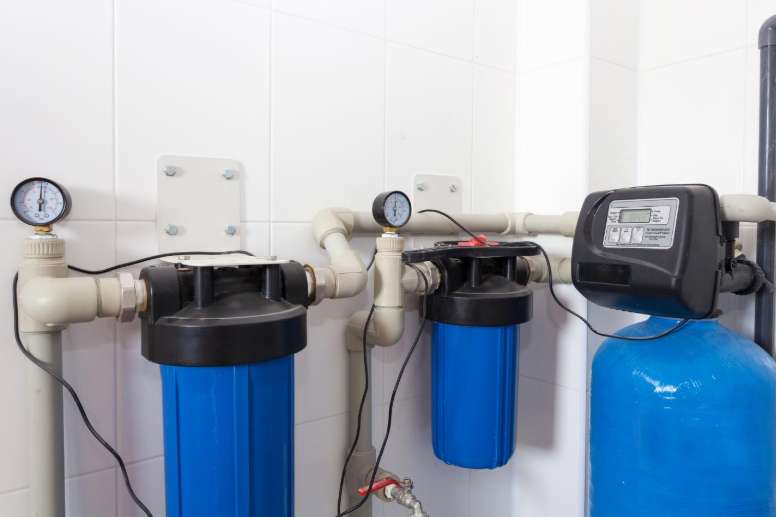
Key Takeaways About Whole Home Water Filtration
Whole home water filtration treats all incoming water to address sediment chlorine and hardness. This summary is for homeowners and property managers deciding when to test size or maintain a system.
- Identify visible sediment odors or scale at faucets and fixtures.
- Prevent appliance damage by installing a sediment pre filter first.
- Avoid poor taste and odor with properly sized carbon media.
- Spot hardness signs by checking heater elements and soap performance.
- Reduce pressure drop by matching system flow to peak demand.
- Plan routine maintenance schedules and document pressure readings regularly.
Introduction
Hard water, visible sediment, or a chlorine smell can make everyday water unpleasant at every faucet. Homeowners notice spots on dishes, dull laundry, or soap that won’t lather. Those signs point to different problems that a single filter type won’t always fix. Whole home water filtration aims to deliver consistent water quality throughout the house.
Sediment, chlorine, and hardness each affect water in different ways and require different media to treat them effectively. Sediment clogs fixtures and wears out appliances when left unchecked. Chlorine affects taste and odor and can damage sensitive plumbing components over time. Hardness minerals lead to scale buildup that reduces heater and fixture lifespan.
Proper sizing and placement of filters matter as much as the filter media itself for consistent results at every sink and shower. Flow rate, incoming water quality, and household demand determine the right system size. Filter location affects pressure, maintenance access, and protection for appliances. A clear plan prevents poor performance and frequent replacements.
Many homeowners first notice water problems in simple ways like a metallic taste or slow-filling toilets in Conway, SC properties. A professional will inspect visible cues, test water for common contaminants, and record pressure readings to confirm needs. Regular maintenance keeps cartridges, tanks, and valves functioning and preserves water quality. For properties in Myrtle Beach, SC, consistent filtration can protect plumbing and improve daily comfort.
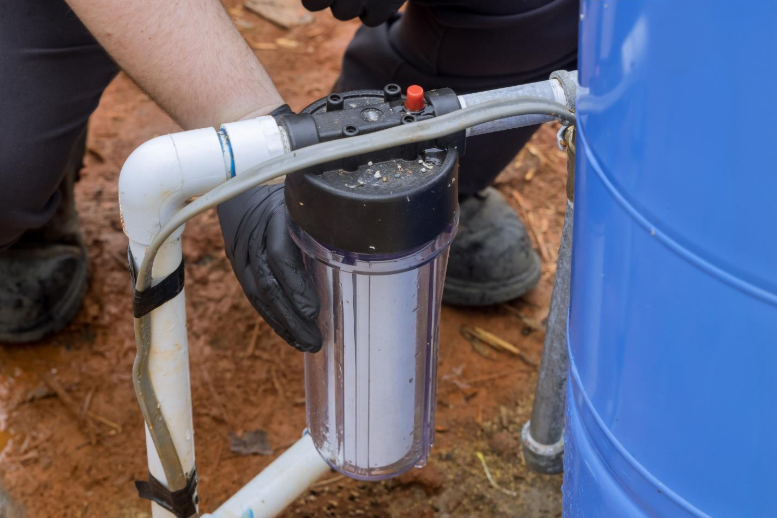
Photo from iStock - photovs
What Whole Home Water Filtration Actually Does
Whole home water filtration treats all incoming household water to reduce sediment, chlorine, and hardness at every outlet. A proper system removes visible particles that make water cloudy and protects appliances from abrasive grit. It reduces chlorine that causes taste and odor problems in drinking water and showers. Filtration also targets calcium and magnesium minerals to slow scale formation inside water heaters and faucets.
- Removes sand, silt, and rust particles.
- Reduces chlorine taste and odor.
- Softens or conditions hard water.
- Protects appliances and plumbing from scale and abrasion.
Homeowners often ask if one system can handle all three issues, and the answer depends on water tests and system design. A layered approach commonly combines a sediment pre-filter, a chlorine-reducing media, and a water softener or conditioner. A professional inspects supply pressure, measures flow rate, and takes water samples to recommend the right combination. Those checks confirm whether a single packaged unit or multiple components will achieve consistent results.
Filtration performance affects everyday observations like clearer ice, fewer soap scum rings, and brighter glassware after dishwashing. Technicians also check valves, a pressure-reducing valve, and plumbing shutoffs during installation to protect the system and allow future service. Simple diagnostic steps at home include checking for cloudy water after faucet aerators are removed. If problems persist despite filters, call a professional for testing and adjustment.
Common Causes of Sediment and Cloudy Water
Particles that make water cloudy usually come from aging pipes, well drawdown, or disturbed mains during repairs. Homeowners often see fine sand or rusty flakes that settle in pitchers and low spots in plumbing. A technician inspects supply lines, faucet aerators, and the sediment trap to localize the source. Simple visual checks and a pressure gauge reading help determine whether particles are entering at the meter or inside the house.
Iron and manganese can cause red, brown, or black sediment and stain fixtures and laundry when present at higher levels. These metals often form visible flakes or a reddish tint that appears after water sits in a bucket. A professional will collect a sample for bench or lab testing to identify metal concentrations. That test guides whether a filter media such as greensand or catalytic carbon is appropriate.
Cloudiness that looks like tiny bubbles usually indicates aeration rather than particulate matter, while real sediment will remain after water stands. Homeowners can check by filling a clear container and watching particles settle over several minutes. A service tech may also remove faucet screens and take a photo or sample for comparison in a written report. In Conway, SC homes, visible settling and timing give clear cues about whether a pre-filter or more extensive treatment is needed.
Well systems often produce sand and grit that damage pumps and valves if not removed by a properly sized sediment filter. Professionals measure flow rate and install a sediment cartridge or spin-down filter before other treatment components. Spin-down housings allow easy flushing of trapped grit and reduce cartridge changes. For properties near Myrtle Beach, SC, persistent grit and seasonal well changes mean checking the trap and pressure-reducing valve during inspections.
How Chlorine Affects Taste and Smell
Chlorine in municipal water commonly creates a sharp chemical taste and a noticeable scent when you pour a glass or run a shower. Taste receptors detect low levels of chlorine as bitterness or metallic notes, while the nose senses chlorinated aromatics more readily in warm water. A simple at-home check is to fill a clear glass, seal it, and sniff after a few minutes to see if the odor develops. A professional would confirm chlorine levels with a colorimetric test or digital chlorine meter during inspection.
Chlorine is added to disinfect supply lines, but it can react with organic matter to form byproducts that change flavor unpredictably. Aeration and activated carbon both remove free chlorine, but they work by different mechanisms and require correct contact time. During diagnosis, a technician measures flow rate and compares it to manufacturer contact times to ensure carbon media will reduce chlorine effectively. If contact time is too short, carbon must be sized larger or arranged in series to reach target reduction.
Homeowner clues include a lingering pool-like smell after running a hot shower and coppery taste in morning coffee made with tap water. A service pro will check faucet aerators, hot water tank odor transfer, and sample both cold and hot lines to determine if chlorine or other sources cause the issue. Measuring chlorine before and after a test filter or carbon cartridge provides clear evidence of treatment performance. Technicians may also inspect the pressure-reducing valve and shutoff valves to ensure flow matches the filter's rated capacity.
Choosing the right chlorine-reducing option depends on household flow demands, plumbing layout, and maintenance willingness. Granular activated carbon cartridges suit point-wide needs, whereas large catalytic carbon tanks handle whole-house flow with longer life between changes. For a reliable recommendation, a professional will run a demand calculation, record pressure readings, and provide a written plan that shows expected cartridge life and replacement intervals. Homeowners in Conway, SC and properties in Myrtle Beach, SC often find that proper sizing eliminates taste and odor at every faucet.
Why Hardness Happens and What It Means
Hard water forms when groundwater passes through limestone, chalk, or gypsum and picks up calcium and magnesium ions. These minerals stay dissolved and do not pose an acute health hazard, but they change how soap behaves and leave scale on plumbing surfaces. A simple homeowner clue is persistent white or cloudy deposits on faucets, heater elements, and shower heads that resist wiping. A professional would measure hardness in grains per gallon or milligrams per liter to quantify treatment needs.
- Causes include dissolved calcium and magnesium.
- Scale reduces heater efficiency over time.
- Hardness affects soap performance and rinsing.
- Treatment choice depends on measured hardness level.
Diagnosis starts with observable clues such as white scale rings, reduced flow from scale-clogged aerators, and dingy laundry after washing. Technicians test hardness with a titration kit or electronic meter and record inlet and outlet readings for comparison. They also inspect the water heater element, showerhead, and a pressure gauge for signs of reduced performance from scale. Those checks help decide whether a softener, conditioner, or template-assisted crystallization unit is appropriate for the home.
Softening with ion exchange replaces calcium and magnesium with sodium or potassium, lowering scale risk but adding small amounts of salt to the water. Conditioners alter mineral form to reduce adhesion without removing minerals, and they require different space and bypass arrangements on the main supply line. Installation often needs a bypass valve, drain connection, and a dedicated softener tank near the main shutoff to protect appliances. For homeowners in Conway, SC, visible scale and appliance buildup often prompt a hardness test before selecting a treatment path.
Maintenance expectations influence the right choice since softeners need periodic salt refills and resin checks while conditioners need less frequent service. Professionals size systems by measuring peak flow rates and daily water use to ensure the unit regenerates at proper intervals. They will provide a written maintenance schedule and show where to access the softener bypass valve and pressure gauge for future checks. For properties in Myrtle Beach, SC, following the recommended service steps helps keep hot water systems efficient and plumbing clear of scale.
Choosing Filtration Types for Specific Contaminants
Start by matching treatment media to the observed contaminant and test results rather than guessing. For visible sediment, choose a multi-stage approach that begins with a coarse spin-down or pleated cartridge sized for the household flow. A professional inspects the main shutoff, pressure-reducing valve, and measures flow to size the pre-filter correctly. Proper sizing prevents frequent clogging and preserves downstream media life.
When chlorine or taste issues dominate, consider catalytic or granular activated carbon in a contact tank sized for adequate contact time at peak flow. Technicians use a chlorine test and flow measurement to determine required bed depth and vessel diameter during diagnosis. They will check plumbing for bypass valves and sample both hot and cold lines to ensure the carbon reduces chlorine across the system. Correct placement downstream of sediment protection extends carbon life and maintains performance.
For hardness control, choose between ion-exchange softeners and template-assisted crystallization (TAC) depending on household priorities for salt use and maintenance frequency. A pro will measure hardness in grains per gallon, record peak flow with a pressure gauge, and recommend system capacity and regeneration settings based on daily water use. Installation often requires a drain connection, bypass valve, and space beside the main supply so service access is simple. In Conway, SC homes, these practical considerations shape the recommended option.
Some situations need combined solutions, such as sediment pre-filter, carbon for chlorine, and a softener or conditioner for hardness, arranged in series for best results. During diagnosis, a technician may perform simple checks like collecting baseline water samples and photographing faucet aerators to document issues before treatment. They use those results to specify cartridge micron ratings, carbon volume, and softener grain capacity in a written plan. For properties in Myrtle Beach, SC, that layered setup often balances taste, clarity, and scale prevention while keeping maintenance predictable.
Sizing and Placement for Consistent Water Quality
Start by matching system flow capacity to the household peak demand measured with a pressure gauge and flow test. A professional notes peak gallons per minute at fixtures and selects a filter vessel that maintains acceptable pressure under load. Oversized vessels reduce pressure drop but increase cost and space needs near the main shutoff. For Conway, SC homeowners, accessible placement that leaves room for future service simplifies inspections and replacements.
Place a sediment pre-filter as the first device on the main supply to protect downstream media and appliances. Install carbon or catalytic tanks after the sediment stage to ensure adequate contact time for chlorine reduction without premature fouling. Softening or conditioning units sit downstream of carbon so salt or TAC-treated water does not load the carbon bed. Technicians check valves and install a bypass loop to allow isolation during maintenance without shutting down the whole house.
Proper plumbing access and clearances matter for routine tasks like cartridge changes, resin inspection, and drain checks that a homeowner or tech will perform. Leave space to remove a cartridge housing and service a softener brine tank without disconnecting supply lines. Include a visible pressure gauge on the inlet and outlet to track drop across the system and detect clogging early. A documented photo and measurement during installation provide baseline readings for later comparison.
Correct media sizing uses contaminant concentration and daily water use to calculate needed capacity and replacement intervals, based on lab or field test results. During diagnosis, a technician will sample inlet and outlet water and record readings to confirm the system meets targets. Expect installation to include shutoff valves, a pressure-reducing valve when needed, and accessible drain fittings for softener regeneration. For Myrtle Beach, SC properties with tight utility closets, plan placement to preserve service space and ensure consistent performance.
Maintenance Schedules and When to Replace Filters
Establish regular checks based on filter type and household use to keep whole home water filtration performing as intended. Inspect visible housings, valves, and the pressure gauge monthly for signs of leaks or pressure drop. Record inlet and outlet pressure readings during each check to spot gradual clogging before it affects flow. If you notice sudden taste or odor changes, stop using suspect outlets and schedule a diagnostic test with a professional.
- Change sediment cartridges every 3 to 12 months depending on load.
- Replace carbon cartridges every 6 to 24 months based on chlorine levels.
- Inspect softener resin every 3 to 7 years for fouling.
- Flush spin-down housings as needed when grit accumulates.
For systems with media tanks, follow manufacturer guidance for backwash or regeneration frequency tied to measured water use. A technician will adjust regeneration settings using recorded daily gallons and hardness test results to avoid excessive salt use. Homeowners in Conway, SC should keep a simple log of salt refills and regeneration dates to support accurate adjustments. If a system lacks a visible bypass, consider adding one to allow service without shutting off household water.
Professionals diagnose end-of-life for components by comparing recorded performance against baseline readings and lab results. They inspect valves, check valves, and the softener drain line, and they may perform a post-filter sample to confirm contaminant reduction. In Myrtle Beach, SC properties with intermittent grit or taste complaints, testing before and after service provides clear evidence of improvement. When maintenance uncovers corrosion, persistent odors, or a pressure drop over 10 psi, call a professional for repairs and system reassessment.
When To Call a Professional for System Service
Call a professional when simple maintenance no longer fixes the issue, such as repeated filter clogging despite frequent cartridge changes. A technician will run diagnostic checks including inlet and outlet pressure readings, visual inspection of valves, and a water sample for lab or field testing. They may also examine the pressure-reducing valve, softener bypass, and drain connections to find leaks or installation problems. If you see unexplained pressure loss or persistent odors after routine care, schedule service promptly.
Schedule service when treatment performance falls short of expectations during peak household use or after a plumbing change that altered flow. A pro will measure peak flow with a pressure gauge and compare it to the system’s rated capacity to identify undersized vessels or excessive pressure drop. They can adjust plumbing, relocate components for better access, or recommend upsizing to maintain whole home water filtration at every outlet. In tight utility closets, moving equipment can improve access for future work.
Contact a technician when you suspect media exhaustion or contamination that homeowner checks cannot confirm, such as foul smells after regeneration or persistent staining. Professionals perform post-treatment sampling and may run colorimetric or titration tests, providing written results and recommended corrective steps. They also inspect resin condition, catalytic carbon bed integrity, and sediment trap function using visual checks and simple tools like a pressure gauge or photos. For properties in Conway, SC, documented test results help plan reliable replacements and service intervals.
Call for professional help when system components show physical damage, unusual noises, or repeated trip of related electrical controls on softeners. A service tech will test electrical continuity, examine solenoid valves, and inspect the brine tank and control head for proper operation and drain flow. They provide a repair or replacement plan with expected maintenance needs and will install a bypass so the household remains supplied during work. Homeowners in Myrtle Beach, SC should prioritize repairs that affect hot water heaters and major appliances connected to treated water.
Get Better-Tasting Water Throughout Your Home
Ready for better-tasting water at every tap? Contact Benjamin Franklin Plumbing of Myrtle Beach, SC to discuss whole home water filtration for your property. Schedule an assessment today to find the right filtration solution for your home’s water quality and household needs.

 Your Privacy Choices