

Wondering why water infrastructure improvements matter? Learn how Dillon's upgrades improve water quality, reliability, and what homeowners should expect.
Introduction
Water infrastructure improvements help communities like Dillon, SC, maintain a safe, reliable, and efficient public water supply. As underground water mains, valves, and other essential components age, they naturally become more vulnerable to leaks, corrosion, and unexpected failures. Investing in modern infrastructure allows municipalities to strengthen their water systems while meeting the needs of residents today and preparing for future growth. Across South Carolina, environmental factors such as wet weather, high humidity, and shifting soil conditions can also affect underground utilities over time, making routine upgrades an important part of long-term planning.
Although much of this work takes place out of sight, its impact is noticeable in everyday life. Replacing aging pipes and upgrading water distribution equipment helps improve water flow, reduce service disruptions, and support more consistent water pressure throughout the community. These improvements also help utilities reduce water loss caused by deteriorating infrastructure while enhancing the overall reliability of the public water system.
Homeowners may experience temporary inconveniences while infrastructure projects are underway, including construction activity, traffic adjustments, or scheduled water service interruptions. Utility providers typically plan these projects carefully to minimize disruptions while completing essential upgrades that benefit the entire community. Understanding the purpose of these improvements can help families feel more prepared and appreciate the long-term value they bring.
While municipalities are responsible for maintaining public water infrastructure, homeowners remain responsible for the plumbing systems inside their properties. If plumbing concerns continue after utility work is complete, such as ongoing low water pressure, persistent discoloration, or unexplained leaks, Benjamin Franklin Plumbing of Florence can evaluate residential plumbing systems in Dillon, Darlington, and surrounding South Carolina communities. This guide explains why water infrastructure improvements matter, what residential homeowners can expect during these projects, and how they contribute to a safer and more dependable community water distribution system.
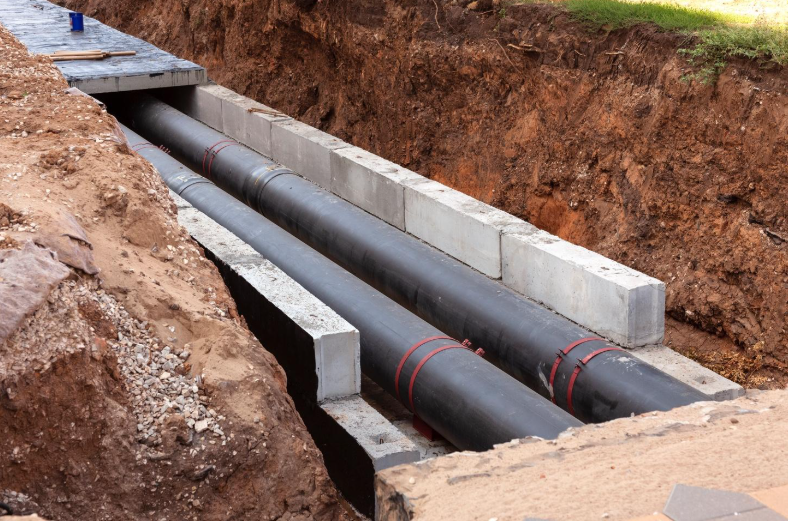
Photo from iStock - Credit: Nobilior
What Are Water Infrastructure Improvements?
Water infrastructure improvements refer to planned upgrades, repairs, and replacements that help keep a community's public water system safe, reliable, and capable of meeting current and future needs. These projects often involve replacing aging water mains, updating valves and hydrants, improving pumping equipment, and modernizing other parts of the distribution network. Rather than waiting for infrastructure to fail, water utilities invest in these improvements to maintain consistent water service and reduce the likelihood of unexpected disruptions.
A public water system is made up of many interconnected components that work together to deliver clean drinking water from treatment facilities to homes and businesses. As these underground pipes and mechanical systems age, they become more susceptible to corrosion, leaks, and wear. Replacing older infrastructure before significant problems develop helps utilities improve system performance while extending the lifespan of the overall network.
These improvements are different from routine maintenance. Regular maintenance focuses on keeping existing equipment operating efficiently, while infrastructure improvements involve larger, long-term investments that strengthen and modernize the system. By upgrading critical components, communities can better support growing populations, adapt to changing infrastructure demands, and improve the overall reliability of water service.
In Dillon, SC, these projects represent an investment in the future. Although construction may create temporary inconveniences, modern infrastructure helps support dependable water delivery, improves system resilience, and contributes to a safer community water supply for years to come.
Why Water Infrastructure Improvements Are Necessary
Communities invest in water infrastructure improvements to maintain a safe, reliable, and efficient public water system. As underground infrastructure ages and community needs evolve, upgrading key components helps reduce the risk of service disruptions while supporting long-term water quality and system performance.
Some of the primary reasons these improvements are necessary include:
- Replacing aging infrastructure before worn pipes, valves, and other components become more prone to leaks or failures.
- Reducing water loss by repairing or replacing deteriorating water mains that allow treated water to escape before reaching customers.
- Supporting community growth by ensuring the water system can meet increasing residential and commercial demand.
- Improving system reliability to help provide consistent water pressure and reduce the likelihood of unexpected outages.
- Protecting water quality through modern infrastructure that supports the safe delivery of treated drinking water.
- Meeting current regulations and standards as utilities continue to upgrade systems to comply with evolving requirements.
- Preparing for future challenges, including environmental conditions in South Carolina such as heavy rainfall, flooding, and soil movements, that can affect underground utilities.
Although these projects may involve temporary construction and occasional service interruptions, they provide lasting benefits for homeowners in Dillon, Darlington, and nearby South Carolina communities. Investing in modern infrastructure helps create a more dependable water system that can better serve homes and businesses for many years to come.
How Water Infrastructure Improvements Improve Reliability and Water Quality
One of the biggest advantages of water infrastructure improvements is the positive impact they have on both system reliability and water quality. Aging pipes and outdated equipment can become less efficient over time, increasing the likelihood of leaks, pressure fluctuations, and unexpected service interruptions. By replacing worn components and modernizing critical parts of the water distribution network, utility providers can improve the overall performance of the public water system.
Reliable infrastructure helps maintain more consistent water pressure throughout the community, allowing homes and businesses to receive a steady supply of water during normal daily use and periods of higher demand. Upgraded water mains, valves, and pumping equipment also make it easier for utilities to isolate and repair problems when they occur, reducing the number of customers affected by service disruptions.
Modern infrastructure also supports the safe delivery of treated drinking water. While water treatment facilities ensure water meets applicable quality standards before it enters the distribution system, well-maintained pipes and equipment help preserve that quality as water travels to homes and businesses. Replacing deteriorating infrastructure can reduce the risk of issues associated with aging pipes and improve the efficiency of the overall distribution process.
For Dillon, Darlington, and surrounding South Carolina communities, these improvements provide long-term benefits that extend beyond construction projects. A stronger water system helps utilities deliver dependable service, respond more effectively to infrastructure challenges, and continue providing safe, reliable water for the community as needs evolve.
What Homeowners Can Expect During Water Infrastructure Projects
Water infrastructure projects are designed to strengthen the public water system, but they may temporarily affect daily routines while construction is underway. Depending on the scope of the project, residents may notice road work, construction equipment, or utility crews working near streets and neighborhoods. These activities are a normal part of replacing or upgrading underground water lines and are carefully planned to minimize disruptions whenever possible.
In some cases, homeowners may experience scheduled water service interruptions while crews connect new pipes or complete repairs. Utilities typically notify affected property owners in advance so they have time to prepare for temporary outages. After service is restored, it is also common for water to appear cloudy or slightly discolored for a short period as the system stabilizes or water mains are flushed.
Construction schedules can vary based on weather, project size, and site conditions. In South Carolina, heavy rainfall and other environmental factors may occasionally delay outdoor work or require adjustments to the construction timeline. While these delays can be inconvenient, they help ensure projects are completed safely and according to engineering standards.
Although most infrastructure improvements take place within the public water system, homeowners should pay attention to any plumbing issues that continue after the project is finished. If low water pressure, persistent discolored water, or other plumbing concerns remain after the utility has completed its work, Benjamin Franklin Plumbing of Florence can evaluate the home's plumbing system to determine whether the issue is related to private plumbing rather than the municipal water supply. For lasting plumbing performance, homeowners may also benefit from seasonal plumbing inspections protect home systems yearly, helping identify potential concerns before they develop into more significant problems.
How Water Infrastructure Improvements Support a Safer Community Water Supply
Reliable public water systems do more than deliver drinking water to homes. They also support schools, healthcare facilities, local businesses, and emergency services that depend on consistent water access every day. Water infrastructure improvements strengthen these essential systems by replacing aging components and improving the overall performance of the distribution network, helping communities operate more safely and efficiently.
Modern infrastructure also allows utilities to respond more effectively when maintenance or unexpected repairs are needed. Updated valves, water mains, and monitoring equipment make it easier to identify issues, isolate affected areas, and restore service with less disruption. This improved responsiveness helps reduce the impact of system problems while supporting a more dependable water distribution system for local residents.
In South Carolina, environmental conditions such as frequent rainfall, flooding, and soil movement can place additional stress on underground infrastructure over time. Investing in resilient water systems helps communities better prepare for these challenges while protecting the long-term reliability of the public water system. Planned improvements also support future growth by ensuring the system can continue serving residents as community needs change.
While utility providers maintain the public water system, homeowners play an important role in monitoring the plumbing within their own properties. If unusual plumbing issues arise after infrastructure work is completed, Benjamin Franklin Plumbing of Florence can assess residential plumbing systems to determine whether the concern originates inside the home. Homeowners can also benefit from the company's priority scheduling for faster emergency plumbing service when urgent plumbing problems require prompt professional attention. Together, well-maintained public infrastructure and properly functioning household plumbing contribute to a safer, more dependable water system for Dillon, Darlington, and surrounding South Carolina communities.
Conclusion
Water infrastructure improvements are a vital investment in the long-term health, safety, and reliability of a community's public water system. By replacing aging infrastructure, improving water distribution, and strengthening system performance, these projects help reduce service interruptions while supporting consistent access to clean drinking water. Although construction may cause temporary inconveniences, the lasting benefits extend to homeowners, businesses, and the community as a whole.
For homeowners in Dillon, Darlington, and nearby South Carolina communities, understanding the purpose of these upgrades can provide greater confidence in the improvements taking place beneath the surface. A modern and well-maintained water system is better equipped to meet current demands, adapt to future growth, and withstand environmental challenges that can affect underground infrastructure over time.
While municipalities are responsible for maintaining public water systems, homeowners should also ensure their private plumbing remains in good condition. If you notice ongoing water pressure issues, discolored water, leaks, or other plumbing concerns after local infrastructure work has been completed, a professional inspection can help identify the source of the problem.
Benjamin Franklin Plumbing of Florence provides trusted residential plumbing services for homeowners throughout the region. Whether you have questions about your home's plumbing or need an inspection after nearby utility work, our experienced team is ready to help you protect your plumbing system and enjoy the long-term benefits of water infrastructure improvements.
Keep Your Home's Plumbing Running Smoothly
Water infrastructure improvements help create a stronger, more reliable community water system, but your home's plumbing also plays an important role in delivering clean water where you need it most. If you've noticed persistent low water pressure, discolored water, leaks, or other plumbing concerns after nearby utility work, don't ignore the signs. Contact Benjamin Franklin Plumbing of Florence to schedule a professional plumbing inspection and diagnosis. Our experienced team proudly serves homeowners in Dillon, Darlington, and surrounding South Carolina areas with dependable plumbing solutions tailored to your home's needs.

 Your Privacy Choices