
Key Takeaways About Slab Leak Detection
Slab leak detection finds and confirms hidden water leaks beneath a concrete foundation. This guide helps homeowners and property managers act early to limit damage and repair choices.
- Identify warm spots and unusual moisture that suggest subsurface leaks.
- Prevent further damage by documenting meter and pressure test readings.
- Avoid unnecessary slab cutting by using targeted diagnostic tools first.
- Spot pipe material and installation issues that affect repair options.
- Reduce repair scope with acoustic and infrared triangulation before coring.
- Plan repairs using documented reports photos and post repair testing.
Introduction
Slab leaks start under a home’s concrete foundation and often show subtle signs before major damage appears. Moisture under a slab can warp floors, ruin finishes, and raise water bills without obvious leaks. Homeowners who catch early warning signs limit repairs and protect structural elements. In Woodland Park, SC these leaks can go unnoticed until they affect flooring and indoor air quality.
Common early clues include warm spots on the floor, unexplained musty odors, and localized damp areas on carpet or tile. You might also notice a drop in water pressure or a running meter when all fixtures are off. Ignoring these signals allows moisture to undermine the slab and nearby framing. For properties in Winona, SC timely action helps prevent expensive excavation and mold problems.
Professional slab leak detection uses focused diagnostic steps to confirm and locate leaks without unnecessary digging. Technicians rely on pressure testing, listening devices, infrared cameras, and moisture meter readings to pinpoint problems. A clear diagnosis tells you whether a repair can be patched or requires pipe rerouting under the slab. Accurate detection reduces guesswork and limits repair scope.
Repair choices range from targeted pipe repairs to rerouting plumbing or slab patching when necessary. The right option depends on leak location, pipe material, and the condition of the concrete slab. Acting quickly lowers the chance of secondary damage like mold, rot, and electrical hazards. If you suspect a slab leak, contact a qualified plumber for a professional inspection and written report.

What Slab Leak Detection Means for Homeowners
Slab leak detection means locating and confirming hidden water leaks beneath a concrete foundation using targeted inspection methods. It helps homeowners know whether a suspected wet area is an active slab leak or a surface issue. A clear diagnosis answers the common question: do I need excavation or just a targeted repair. Early confirmation reduces unnecessary disruption and guides repair choices.
- Pinpoint leak location without full slab removal.
- Measure moisture and temperature differences accurately.
- Confirm whether plumbing or slab issues cause damage.
- Provide a written report for repair planning.
For homeowners, detection turns vague concerns into concrete next steps and options. A typical result is a written report showing readings from a moisture meter and pressure gauge. That report helps you compare repair paths and expected disruption. It also gives the facts a plumber needs to prepare tools and materials.
Detection affects timing and cost decisions by clarifying scope and urgency for repairs. If technicians verify a slow leak, you may choose repair methods that preserve flooring and finishes. If they find rapid loss of pressure, more immediate action reduces structural and mold risks. Homeowners in Woodland Park, SC often use the report to coordinate with insurers or remodel plans.
Detecting a slab leak also informs preventative steps and future monitoring for the property. A plumber may recommend installing accessible shutoff valves or running regular meter checks after repairs. In Winona, SC having documented findings simplifies follow-up inspections and helps prioritize repairs. If you need a formal inspection and written findings, contact a licensed plumber to arrange slab leak detection and get next-step advice.
Common Causes and Why It Happens Under Slabs
Soil movement, plumbing age, and pipe material often cause leaks beneath slabs. Clay or shifting soil can stress pipe joints and bends over time. Corrosion eats through older copper and galvanized pipes when water chemistry is aggressive. Mechanical damage from contractors or root intrusion can nick supply lines during landscaping or repair work.
High water pressure and thermal cycling also increase failure risk for in-slab plumbing runs. Repeated pressure spikes strain joints, fittings, and soldered connections until they fail. Hot water lines expand and contract with temperature changes, which can loosen connections over years. In homes with long runs under concrete, these cumulative stresses raise the odds of a leak developing.
Poor installation practices create repeat failure points that lead to hidden leaks under slabs. Trenching too close to foundation edges or poor bedding can leave pipes unsupported and prone to abrasion. Improper joint types or lack of protective sleeves where lines pass through concrete increase wear. A written inspection report often points to these installation issues when technicians document footage and measurements.
Material choices matter when planning repairs and future prevention. PEX, copper, and CPVC each behave differently under slab conditions and during thermal cycling. During slab leak detection a plumber will note pipe type and visible wear to recommend the least disruptive repair path. Homeowners in Woodland Park, SC and Winona, SC should review pipe material findings before deciding on reroute or concrete patch repairs.
Early Warning Signs to Spot Water Under Concrete
You may notice unusually warm or cool spots on the floor that stay localized and do not match HVAC patterns. Flooring that feels damp when the air is dry points to moisture moving up from below the slab. Discolored grout lines or tile edges that darken without surface spills can signal water wicking through porous materials. Homeowners in Woodland Park, SC should treat persistent localized temperature or staining changes as reasons to investigate further.
Listen for subtle sounds like faint running water or rhythmic tapping inside walls near slab areas during quiet hours. A continuously running water meter reading when all fixtures are off often indicates subsurface loss of water. Higher than normal water bills without visible leaks suggest concealed flow beneath concrete. In Winona, SC tracking meter readings overnight can reveal slow leaks that otherwise remain hidden.
Indoor humidity that rises in specific rooms while other areas stay normal can reflect moisture entering from underneath the slab. Musty smells that linger near baseboards or under cabinets often accompany rising moisture and possible mold growth. Use a moisture meter at floor surfaces and baseboards to compare relative humidity and spot anomalies. A professional might record those readings as part of a diagnostic report to document the extent of moisture intrusion.
Cracks in grout, tile, or concrete floors that widen over months can indicate soil washout or slab movement caused by leaking water beneath. Warped wood or buckling vinyl localized to one area suggests the slab substrate has been undermined by moisture. Take photos and note timing of visible changes to help a technician prioritize inspection zones. For a proper diagnosis and next steps, consult a plumber experienced in slab leak detection.
How Professional Leak Detection Works in Practice
A technician begins by isolating water lines and watching pressure readings to confirm an active leak beneath the slab. They may shut off individual branch lines while monitoring a pressure gauge to find where loss continues. Technicians often complement pressure checks with a dye test in accessible fixtures to rule out surface sources. If the leak persists during isolation, the team moves to more focused locating tools.
- Acoustic listening pinpoints flow sounds through concrete.
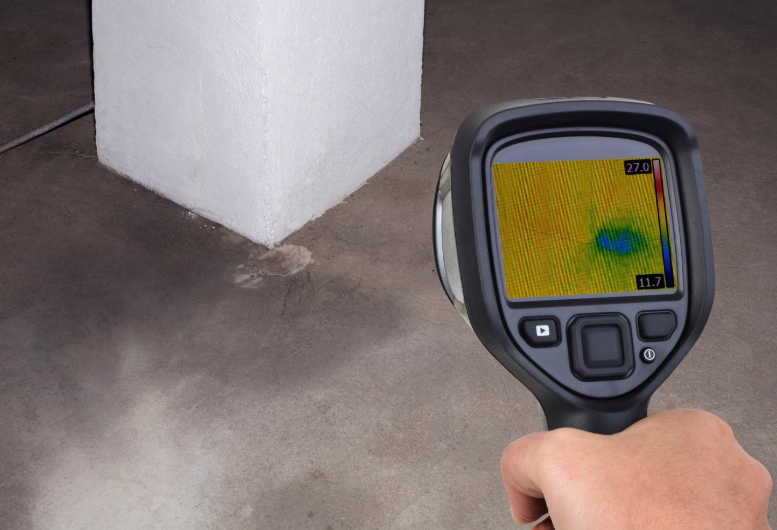
- Infrared cameras reveal temperature differences on floor surfaces.
- Tracer gas can show the leak path without major digging.
- Moisture meters measure depth and spread of water under slab.
Next, the plumber uses acoustic equipment and correlates sounds with a pipe map to narrow the area. They might mark grid points on the floor and record audible peaks to triangulate the source. An infrared scan helps confirm warm or cool anomalies that match the listening results. The combined data gives a likely location for targeted investigation or small test cores.
When a hole or core is needed, crews cut a small access point to visually confirm pipe damage and take photos for a written report. They record pressure readings, moisture meter results, and photos to document findings for repair planning. This documentation helps you compare options like patching, rerouting, or replacing a section of pipe. Homeowners in Woodland Park, SC use these reports to decide next steps with contractors and insurers.
After confirming the leak, technicians explain repair choices and expected disruption based on pipe material and location under the slab. They will note if rerouting avoids disturbances to finished floors or if spot repair requires a small concrete patch. You should expect clear timelines and a scope of work that includes testing after repair to ensure the leak stops. For additional scheduling, contact Benjamin Franklin Plumbing of Florence to arrange professional slab leak detection and a written estimate for repairs in Winona, SC.
DIY Diagnostic Steps Before Calling a Plumber
Start by checking your water meter at night when no fixtures run to see if the dial moves, indicating hidden flow. Then shut off the main and watch the meter again to confirm whether the loss stops. Next, inspect visible supply lines at fixtures for moisture to rule out above-slab leaks that mimic slab issues. If you find wet appliance connections, tighten or replace hoses and retest the meter to narrow the source.
Use a simple pressure gauge on an accessible hose bib to watch for pressure drops over a few hours while interior valves stay closed. Record the starting pressure and check it periodically to detect gradual loss that suggests a subsurface leak. Combine this with a handheld infrared thermometer across suspected floor areas to spot temperature differences that may indicate warm water under concrete. Mark any anomalies and compare them to where plumbing runs are likely located.
A moisture meter or a small probe around baseboards helps determine whether moisture originates from the slab or from surface spills and plumbing at walls. Take multiple readings in a grid to map higher moisture spots so professionals know where to focus acoustic tests. Try a simple dye test in toilets and drains to exclude toilet supply or fixture leaks before assuming a slab problem. Document your findings with photos and timestamps to share with the plumber for faster diagnosis.
If your DIY checks suggest a hidden leak, avoid breaking concrete yourself and call a licensed plumber to perform advanced slab leak detection and targeted repairs. Professionals will confirm your observations using listening tools and pressure isolation then provide a written report showing readings and recommended repairs. Homeowners in Woodland Park, SC often use those reports to plan repairs and discuss options with contractors. For properties in Winona, SC keep your notes ready to speed scheduling when you contact a plumber for service.
Repair Options from Spot Repair to Full Replacement
Small, targeted repairs often work when a leak affects a short pipe run or a single joint beneath the slab. Technicians can expose a focused area by coring a small hole, replace the damaged section of supply line, and then pressure-test the repair before repatching concrete. This option minimizes disruption to flooring and usually completes faster than larger repairs. Homeowners should expect photos and pressure readings in the written report to verify the fix.
Trenchless rerouting avoids breaking finished floors by running new piping through accessible spaces like crawl areas or walls around the slab perimeter. The plumber will map existing plumbing and determine if rerouting eliminates the need to cut the slab directly under finished surfaces. After reroute installation, crews perform a pressure test and moisture checks to ensure the leak no longer affects the slab. This approach can preserve flooring but may require drywall or cabinet access work.
Spot epoxy or clamp repairs can sometimes stop a leak without replacing long pipe sections when the damage is minimal and accessible. A professional inspects the pipe condition to confirm the remaining material will hold after a localized repair. They then perform a post-repair pressure test and document readings and photos to show the leak resolution. Always ask whether the repair will be permanent given the pipe material and age before approving work.
Full slab replacement and repiping becomes necessary when multiple leaks, severe corrosion, or extensive slab damage make piecemeal fixes impractical. This option involves removing sections of concrete, replacing large pipe runs, then repouring and finishing the slab patch to restore structural integrity. Contractors commonly run final pressure and moisture tests and provide a detailed report showing repair outcomes. Homeowners in Woodland Park, SC and Winona, SC should weigh long-term benefits and disruption when considering full replacement.
When to Call a Professional for Slab Leak Detection
Call a professional when your own checks show ongoing pressure loss or you hear persistent water sounds through the slab. A licensed plumber can perform controlled isolation and confirm the leak source using pressure gauges and acoustic equipment. If moisture readings stay high after surface drying, an expert can determine whether active subsurface flow exists. Acting promptly reduces the risk of hidden structural or mold issues that worsen over time.
- Visible floor distortion continues to spread.
- Water meter moves with all fixtures off.
- Moisture readings stay elevated after drying.
- Unexplained higher water bills persist.
- Audible running water under floors at night.
Call before attempting any concrete cutting if you lack experience with slab work or diagnostic tools. A professional will triangulate with listening devices and infrared scans to target any test cores and limit demolition. They also provide documented readings and photos to support repair planning and insurance discussions. Homeowners in Woodland Park, SC often avoid unnecessary slab openings by relying on these focused diagnostics.
If renovations or flooring replacement are planned, involve a plumber early to integrate leak detection into the work schedule. Coordinating detection with remodels can reduce rework and ensure repairs happen before new finishes get installed. For properties in Winona, SC scheduling detection ahead prevents surprises that delay construction timelines. When in doubt, contact a plumber in Woodland Park, SC to arrange slab leak detection and a written test report before proceeding.
Preventative Measures to Reduce Future Slab Leaks
Schedule periodic pressure checks and meter readings to catch slow changes before they escalate into major repairs. A simple monthly meter review or seasonal pressure test helps establish a baseline for normal system behavior. Record readings and any anomalies so a plumber can compare trends during professional slab leak detection. Keeping this data makes targeted diagnostics faster and reduces unnecessary floor openings.
Protect in-slab pipes by avoiding high, sustained water pressure and installing a pressure-reducing valve if readings exceed safe levels. Fluctuating or high pressure increases joint and pipe stress that leads to premature failures. A professional can inspect the pressure-reducing valve, measure static and running pressure, and recommend adjustments. Maintaining correct pressure reduces wear on fittings and lowers the chance of future leaks.
Plan landscaping and hardscape work to prevent accidental pipe damage near the foundation by marking known plumbing routes before digging. Request a plumber or utility locator to identify lines when doing major yard projects to avoid strikes. When replacing major appliances or fixtures, have a technician inspect nearby visible supply lines and shutoff valves for wear. These proactive checks help prevent surprises that require slab leak detection and intrusive repairs in Woodland Park, SC.
Consider accessible shutoffs and rerouting options during renovations to limit future slab work and speed emergency isolation. Adding accessible isolation valves or moving supply runs away from high-risk slab zones simplifies emergency repairs later. Ask a plumber to document any changes with photos and a simple map for future reference. For properties in Winona, SC such planning reduces downtime and helps contractors coordinate work without guessing hidden piping locations.

 Your Privacy Choices