Key Takeaways About Pressure Reducing Valve
A pressure reducing valve lowers and stabilizes incoming water pressure for a home. This matters for homeowners and property managers when noisy pipes, drifting readings, or fixture damage appear.
- Identify noisy pipes and measure static and running pressure quickly.
- Prevent pressure spikes from stressing fixtures and appliances long term.
- Avoid sudden leaks and seal failures by addressing high pressure early.
- Spot vibration and drips that show overpressure damage to fittings.
- Reduce water waste and lower meter readings by stabilizing flow.
- Plan professional diagnosis and get written pressure readings for records.
Introduction
High household water pressure can cause banging pipes, worn fixtures, and sudden leaks that start small and become costly. A pressure reducing valve quietly lowers incoming pressure to a safer, steady level for your plumbing system. When pressure runs too high, appliances like dishwashers and water heaters face extra stress and shorter lifespans. Homeowners notice higher water bills and more frequent repairs when pressure stays unchecked.
In many homes the main shutoff and municipal supply deliver unpredictable pressure spikes that wear down seals and valves. A pressure reducing valve protects faucets, supply lines, and toilet fill valves from those spikes by keeping pressure steady. You may hear a faint hammering in walls or see faucets that drip after use when pressure is the cause. Those sounds and leaks signal wasted water and mounting damage to fixtures.
For properties in Florence, SC and nearby Woodland Park, SC, municipal variations or booster pumps can make pressure problems worse. A PRV helps reduce water waste by preventing constant tiny leaks and minimizing overuse from high flow. Lower pressure often means more efficient appliance operation and fewer emergency calls for burst fittings. The result is reduced water use and lower long term repair needs.
If you suspect high pressure, a technician will measure static and dynamic pressure with a gauge and inspect shutoff valves and visible supply lines. They will look for leaking fixtures, faucet chatter, and sudden temperature drops during showers as diagnostic clues. A written pressure reading and photos help confirm whether a pressure reducing valve is the right solution. When risks include visible leaks or appliance trouble, contact a qualified plumber for a professional diagnosis.
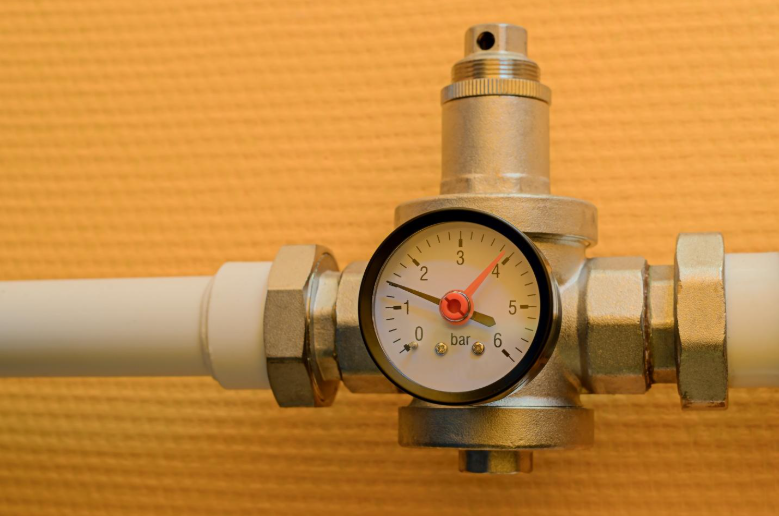
Photo from iStock - Credit: alexnikit1981
How a Pressure Reducing Valve Works and Why It Matters
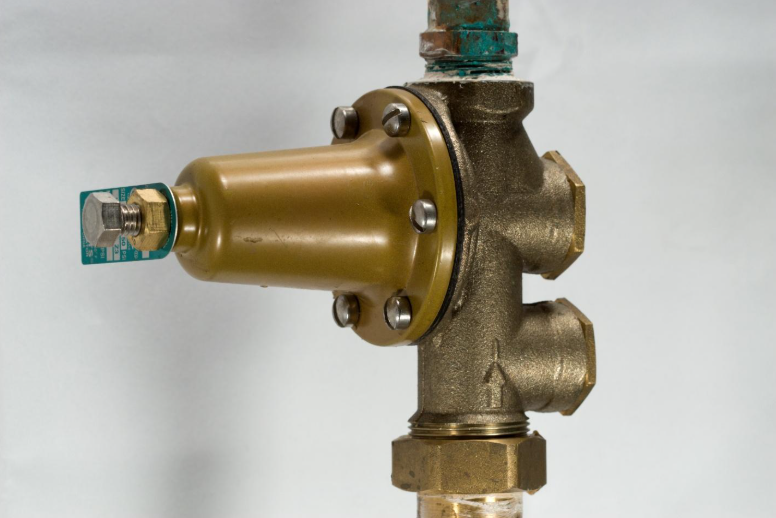
A pressure reducing valve (PRV) is a mechanical device that lowers and stabilizes incoming water pressure to a set safe level. It uses a spring-loaded diaphragm to balance supply pressure against the downstream set point. Homeowners commonly ask whether a PRV will stop pipe banging, and the answer is yes when pressure is the cause. Professionals set the valve to typical household ranges to protect fixtures and appliances without harming flow.
- Reduces sudden pressure spikes
- Protects appliance seals and valves
- Helps stop faucet drip caused by overpressure
- Extends life of water heaters and dishwashers
The valve sits on the main water line after the shutoff valve and before branch lines. Inside, a spring compresses until downstream pressure matches the set point, then the diaphragm modulates flow. Adjusting the screw or bolt on top changes the spring tension and the resulting water pressure. A properly set PRV keeps pressure steady despite changes in municipal supply or pump output.
Technicians diagnose need for a pressure reducing valve by measuring static and running pressure with a gauge at an exterior spigot. They inspect the existing shutoff, visible supply lines, and any signs of wear on fixtures or the water heater. Readings above 60 psi often indicate a PRV would help, professionals confirm with dynamic pressure checks during normal water use. This simple test answers whether the valve will resolve noisy pipes and frequent leaks.
For homes in Florence, SC and Woodland Park, SC, variations in supply pressure can stress plumbing and increase water waste. A correctly sized and adjusted PRV can reduce small continuous leaks that add to utility bills and resource use. If you see persistent drips, hear regular hammering, or have failing fixtures, contact a qualified plumber to inspect and set a pressure reducing valve. A technician can provide a written pressure reading and recommend the next steps for installation or adjustment.
Common Causes of Excessive Home Water Pressure
One common cause of excessive home water pressure is a municipal supply that runs above residential norms after maintenance or network changes. Pressure from the main can rise without notice and push more force through your home's pipes than fixtures are designed to handle. Booster pumps or private well systems set too high also create sustained overpressure that a single fixture cannot relieve. A technician checks incoming pressure at the meter to separate mains issues from internal causes.
Another frequent source is a malfunctioning pressure reducing valve or absence of one on the main line. If the PRV spring or diaphragm wears, it can fail to hold the downstream set point and let pressure climb. Homes that never had a PRV installed will show wear earlier on faucets and appliances because nothing buffers the supply. A pro can test valve operation by isolating the downstream side and reading the pressure under load.
Thermal expansion in closed systems raises pressure each time the water heater cycles, producing repeat spikes. If a system lacks an expansion tank or has a failing tank, pressure can creep up and stress toilet fill valves and supply fittings. A pressure gauge near the heater during a heating cycle reveals these transient increases. A plumber will look for signs like recurring dripping fixtures and elevated static pressure readings to confirm this cause.
Partially closed main shutoff valves or clogged supply filters can create unpredictable pressure behavior and localized high-pressure zones. Restrictions force pressure to build upstream and then release suddenly, which can lead to banging or surges. Inspecting shutoffs and any inline strainers helps identify these trouble spots during a diagnostic visit. For homeowners in Woodland Park, SC and Florence, SC, documenting pressure readings and visible damage helps technicians recommend a pressure reducing valve or other corrective steps.
Signs Your Pipes and Fixtures Are Under Stress
Listen for changes in sound when fixtures run, a steady rattle or metallic pinging often means valves or joints strain under high force. You may notice noise that starts with certain appliances, like the dishwasher or washing machine, but later spreads to other taps. Visible vibration of exposed copper or PVC supply lines signals repeated flexing that shortens pipe life and loosens fittings. A technician will note the sound source and check nearby shutoffs and supports for movement during inspection.
Frequent small drips from faucets or toilet fill valves can mean seals compress and fail under sustained pressure, wasting water slowly. Look for new stains or wet marks beneath sinks and behind toilets that appear between normal use cycles. A homeowner might also spot worn finish or pitting on metal fittings where water spray hits surfaces repeatedly. During diagnosis, a plumber will run a pressure gauge test while opening fixtures to confirm pressure-related leakage patterns.
Short, sharp bangs when a tap turns off often point to water hammer caused by sudden pressure changes that shock the system. These impacts can loosen threaded connections and stress soldered joints until leakage begins or a pipe cracks. Professionals often check for air chamber presence, expansion tanks, and fastened pipe straps when investigating these impacts. They may perform a running-pressure test to reproduce the event and document pressure spikes for the repair plan.
Rapid wear on appliance supply hoses and reduced appliance life indicate chronic overpressure that a pressure reducing valve could prevent. You might notice a dishwasher hose bulging slightly at the connection or a washing machine valve weeping after cycles. A plumber will inspect hose conditions, take pressure readings at the appliance supply, and recommend replacing hoses or installing a PRV based on measured pressure. For properties in Florence, SC and Woodland Park, SC, documenting these symptoms helps prioritize repairs and prevent unexpected failures.
How a Pressure Reducing Valve Stops Noisy Pipes
A pressure reducing valve calms the rapid pressure swings that make pipes sing, clank, or knock inside walls. When supply pressure falls suddenly, the PRV modulates flow to prevent abrupt surges that create noise. Technicians often listen at accessible supply lines during a controlled test to confirm noise reduction after adjusting the valve. Homeowners in Woodland Park, SC may notice immediate quieting at fixtures once a PRV is set correctly.
- It smooths pressure changes at the main line.
- It reduces flow shock to branch lines.
- It minimizes repeated stress on joints.
- It prevents minor leaks from worsening.
Noise caused by water hammer can persist if air chambers or expansion tanks are missing or waterlogged, so the PRV is one part of the fix. A plumber will check those components along with the valve to ensure the system absorbs momentum changes. During diagnosis they attach a pressure gauge and operate multiple fixtures to see how the PRV responds under real flow. For properties in Florence, SC, confirming stable downstream pressure often removes the intermittent bangs and rattles.
Adjusting the pressure reducing valve can eliminate faucet chatter without reducing usable flow for showers or appliances. Professionals adjust incrementally while monitoring static and running pressure readings to reach a balance of quiet and performance. If noise persists after adjustment, a technician inspects piping supports, valve seats, and supply hoses for mechanical causes. When homeowners hear sudden bangs or continuous vibration, a combined valve adjustment and physical repair usually restores quiet operation.
When to Adjust Pressure and When to Call a Pro
Small pressure tweaks are safe to try when you have a visible adjustment screw on the pressure reducing valve and you can read a pressure gauge. Turn the adjustment slowly while watching static and running pressure readings to avoid overshooting the desired set point. If adjusting reduces noise and readings stay within typical household ranges, monitor fixtures for new drips or changes over several days. Stop and call a plumber if pressure drifts back quickly or if you see fresh leaks after adjustment.
Attempt manual adjustment only if you can shut off water and isolate the downstream side in case a seal fails during the process. Use an accurate pressure gauge at an accessible hose bib and record the before-and-after values to document the change. If you cannot access the shutoff or you encounter corrosion or heavy mineral buildup on the valve body, seek professional service. These physical issues often hide internal failures that require replacement rather than a simple set screw turn.
Call a professional when pressure measures above 80 psi, when adjustments do not hold, or when appliances show damage signs like bulging supply hoses. A technician will perform diagnostic steps including measuring static and running pressure, checking for thermal expansion impacts at the water heater, and testing valve seat integrity. They can also verify whether an expansion tank or updated shutoffs are needed to stabilize pressure long term. For homeowners in Woodland Park, SC a pro can evaluate municipal supply variability and suggest durable fixes.
If you decide to hire a plumber, expect them to provide a written report of pressure readings and recommended actions before starting work. The technician may replace the pressure reducing valve, add an expansion tank, or install isolation valves to simplify future service. For properties in Florence, SC a documented diagnosis helps prioritize repairs and protects fixtures from further damage. Requesting a clear scope and timeline reduces surprises and keeps the work focused on lasting pressure control.
What a Technician Checks During a PRV Service Visit
On a service visit, the technician first isolates the main supply and attaches a pressure gauge to record static and running values. They note any changes when the water heater cycles to detect thermal expansion effects. The pro inspects the PRV body for external leaks, corrosion, and loose fasteners that indicate internal wear. Photos and written readings document conditions for homeowner review.
Next, the tech operates several fixtures simultaneously while watching the gauge to confirm the pressure under real flow conditions. They check shutoff valves and union fittings upstream and downstream to ensure isolation and future service access. A technician also examines nearby supply lines and pipe supports for vibration that might mask valve performance issues. If hoses or fittings show bulging or cracking, replacement is recommended.
To test the PRV itself, the plumber will back off the adjustment screw slightly to observe diaphragm response and seat integrity during pressure shifts. They may remove the cover to inspect the spring and diaphragm for wear or mineral buildup if safe and practical. Simple checks include verifying the union or threaded connections are tight and that the relief path remains clear. When internal damage appears likely, the technician will explain replacement options and benefits.
Documentation includes a before-and-after pressure chart if adjustments are made, plus photos of problem areas and any failing components. Technicians often recommend adding an expansion tank or isolation valves when recurring spikes or thermal issues show in tests. For homeowners in Woodland Park, SC the report helps decide whether a full PRV replacement is necessary to protect fixtures. The final step is a clear service note describing next steps and any follow-up inspection needs for Florence, SC properties.
How Installing a Pressure Reducing Valve Saves Water
Installing a pressure reducing valve lowers unnecessary flow that often runs through tiny leaks and worn seals, cutting wasted water. Reduced pressure lessens constant drip rates from faucets and toilet fill valves, decreasing gallons lost each day. Over time, less leakage translates to measurable savings on water bills and reduced sewer charges when billed by usage. Homeowners notice the change in lower meter readings when fixtures stop leaking and flow stabilizes.
- Reduces continuous small drips that add up.
- Lowers flow through washing machine and dishwasher supply hoses.
- Decreases stress on toilet fill valves and flappers.
- Helps slow mineral erosion that causes hidden leaks.
Beyond stopping drips, a pressure reducing valve can prevent overuse during regular activities like filling tubs or watering plants. With lower pressure, faucets reach desired flow without excessive force, which curbs how quickly you empty water mains or irrigation lines. A technician may record meter readings before and after installation to estimate direct water savings for your household. These before-and-after numbers help homeowners decide on complementary upgrades like low-flow fixtures.
For properties in Woodland Park, SC a PRV can be particularly helpful when supply fluctuations cause intermittent overpressure events that waste water. In Florence, SC homes, installing a PRV often pairs with adding an expansion tank to control heater-related spikes that also drive waste. A plumber will diagnose savings potential by measuring flow rates and leak rates during a service visit using a pressure gauge and visual inspection. If you want to quantify savings before committing, ask the technician for an estimated reduction based on recorded readings.
Simple Maintenance Tips for Long Lasting Performance
Schedule a simple visual check of the pressure reducing valve and surrounding fittings every six months to catch leaks early. Look for dampness, mineral buildup, or wet spots near the union and body that indicate slow leaks. If you see greenish corrosion on copper or rusty flakes on threaded joints, call a professional to inspect the diaphragm and spring. Regular checks prevent small issues from becoming hidden failures that cause sudden leaks or water damage.
Keep the area around the valve clear so a technician can access the union and adjustment screw without removing obstructions. Gently wipe away sediment or dust from the cover before loosening the adjustment to avoid debris entering the valve. Do not force a stuck screw, applying excessive torque can damage the spring or bonnet threads. When in doubt, stop and arrange a professional service visit to avoid creating a larger problem.
Test pressure readings once a year with an inline gauge at an outdoor faucet to confirm the valve still holds the set point under normal flow. Record static and running values and compare them to previous readings to spot gradual drift that signals wear. If readings change more than a few psi over several months, schedule a technician to inspect the diaphragm and seat for mineral wear. A professional can replace the cartridge or the whole valve if internal parts show deterioration.
Flush nearby strainers and clean faucet aerators to reduce particulate that shortens PRV life and clogs valve internals over time. Consider adding an isolation valve and union if the PRV lacks them, so future service avoids cutting pipe or shutting off the whole home supply. For homeowners in Woodland Park, SC and those with properties in Florence, SC, documenting maintenance activities and pressure readings helps technicians make informed recommendations during service calls. Keep maintenance notes and any pressure readings handy for the plumber during future visits.

 Your Privacy Choices