
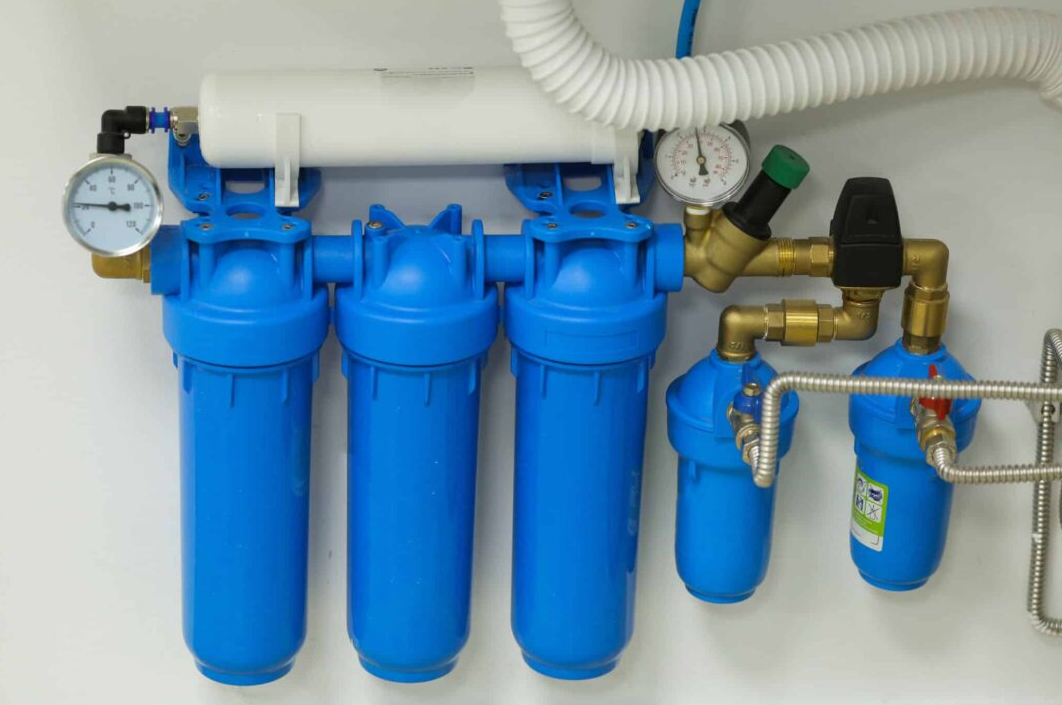
The perfect water filtration system to suit your household needs.
Are you looking for the best water filtration systems to ensure the quality of your drinking water?
Water filtration systems offer a reliable solution to ensure your family has access to clean, safe water.
In this article, we explore the different types of water filtration systems, helping you determine which is best for your home.
At Benjamin Franklin Plumbing of Florence, SC, we specialize in providing tailored water filtration solutions to meet your specific needs.
Understanding Water Filtration Systems
Why Water Filtration is Essential
Clean water is crucial not just for drinking but for overall household use, including cooking, cleaning, and bathing.
Consuming contaminated water can lead to numerous health issues, ranging from gastrointestinal problems to long-term health risks like cancer and neurological disorders.
Harmful contaminants such as chlorine, lead, pesticides, and bacteria are often present in tap water, especially in areas with aging infrastructure or agricultural runoff.
Water filtration systems help remove these contaminants, ensuring that the water you consume and use in your home is safe and healthy.
Moreover, using filtered water can improve the taste and smell of your water, making it more pleasant to drink and cook with.
It also helps in preserving the lifespan of your household appliances by preventing scale buildup and corrosion caused by hard water and other impurities.
From an environmental perspective, water filtration reduces the need for bottled water, thereby decreasing plastic waste.
Economically, it saves money by reducing the costs associated with purchasing bottled water and minimizing potential plumbing issues.
Types of Water Filtration Systems
Activated Carbon Filters
How They Work
Activated carbon filters use a process called adsorption to trap contaminants in porous carbon media.
They are highly effective in removing chlorine, sediment, and volatile organic compounds (VOCs), improving water taste and odor.
Advantages and Disadvantages
Advantages: Activated carbon filters are one of the most affordable and easy-to-use filtration options.
They are widely available and can be installed in various setups, including faucet-mounted countertops, and under-sink systems.
They effectively remove unpleasant tastes and odors, making water more palatable
Disadvantages: However, they have limitations. Activated carbon filters do not remove all types of contaminants.
For example, they are not effective against dissolved minerals, nitrates, bacteria, and viruses.
They also have a limited lifespan and require regular replacement to maintain their effectiveness.
Reverse Osmosis Systems
How They Work
Reverse osmosis (RO) systems use a semi-permeable membrane to remove contaminants from water.
The process involves pushing water through the membrane, which blocks larger molecules and ions, allowing only clean water to pass through.
This method can remove up to 99.9% of total dissolved solids (TDS), including heavy metals, fluoride, nitrates, and bacteria.
Advantages and Disadvantages
Advantages: RO systems are highly effective at removing a wide range of contaminants, making them one of the most comprehensive filtration options available.
They provide near-pure water, which is beneficial for those concerned about contaminants that are difficult to remove with other methods
Disadvantages: Despite their effectiveness, RO systems have some downsides.
They produce a significant amount of wastewater, as not all the water passes through the membrane.
Additionally, RO systems can remove beneficial minerals, resulting in water that may taste flat and lack essential nutrients.
They also tend to be more expensive and require professional installation and regular maintenance.
Ultrafiltration (UF) Systems
How They Work
Ultrafiltration systems use a membrane filtration process similar to RO but with larger pores.
These pores allow water and beneficial minerals to pass through while blocking larger contaminants like bacteria, viruses, and suspended particles.
The result is clean water that retains essential minerals
Advantages and Disadvantages
Advantages: UF systems are effective at removing microorganisms and suspended solids without producing wastewater, making them an eco-friendly option.
They are also generally easier to maintain than RO systems and can be used in combination with other filtration methods to enhance water quality
Disadvantages: However, UF systems may not be as effective at removing dissolved contaminants, such as salts and certain chemicals.
They also require regular cleaning and replacement of the membrane to ensure consistent performance
Ultraviolet (UV) Purifiers
How They Work
UV purifiers use ultraviolet light to disinfect water by destroying the DNA of bacteria, viruses, and other pathogens.
The UV light effectively kills or inactivates microorganisms, preventing them from reproducing and causing illness.
UV purifiers are often used in conjunction with other filtration systems to provide comprehensive water treatment
Advantages and Disadvantages
Advantages: UV purifiers offer a chemical-free method of disinfection, making them a safe and environmentally friendly option.
They are highly effective against microorganisms and require minimal maintenance, as there are no filters to replace
Disadvantages: UV purifiers do not remove chemical contaminants, sediments, or dissolved solids.
They also require a consistent power supply to operate, which may not be suitable for all settings.
Additionally, pre-filtration is often necessary to ensure the effectiveness of the UV light.
Whole-House Water Filters
How They Work
Whole-house water filters treat water at the point of entry, ensuring that all water used throughout the home is filtered.
These systems typically include multiple stages of filtration, such as sediment filters, activated carbon filters, and sometimes UV purifiers or water softeners.
This comprehensive approach ensures that water from every tap is clean and safe
Advantages and Disadvantages
Advantages: Whole-house systems provide thorough filtration, protecting not only drinking water but also water used for bathing, cooking, and cleaning.
This can improve overall water quality and protect plumbing and appliances from damage caused by contaminants.
They also require less frequent filter changes compared to smaller systems
Disadvantages: The main drawbacks of whole-house systems are their high initial cost and the complexity of installation.
These systems often require professional installation and can be more expensive to purchase and maintain compared to other filtration options.
However, their long-term benefits often justify the investment.
Choosing the Right Water Filtration System for Your Home
Assessing Your Water Quality
Conducting a Water Test
The first step in choosing the right water filtration system is to assess your water quality.
Conducting a comprehensive water test will help identify the specific contaminants present in your water.
This can be done using at-home testing kits or by sending a water sample to a certified laboratory.
Knowing the contaminants will guide you in selecting the most effective filtration system.
Identifying Specific Contaminants
Common water contaminants include chlorine, lead, fluoride, bacteria, pesticides, and heavy metals.
Different filtration systems target different contaminants, so understanding what’s in your water is crucial for making an informed decision.
Considering Your Needs and Budget
Daily Water Usage
Consider the amount of water your household uses daily.
Larger families or homes with high water usage may benefit from a whole-house filtration system, which ensures that all the water entering your home is filtered.
For smaller households, under-sink or countertop systems may be sufficient.
Initial Costs and Maintenance Expenses
Evaluate the initial cost of the system and the ongoing maintenance expenses.
While whole-house systems have a higher upfront cost, they often require less frequent filter changes.
In contrast, systems like reverse osmosis and activated carbon filters might have lower initial costs but require more frequent maintenance and filter replacements.
Local Water Quality and Conditions
Woodland Park, SC
In Woodland Park, common water issues include high chlorine levels and potential contamination from agricultural runoff.
For this area, a system that effectively removes chlorine and pesticides, such as a reverse osmosis system or an activated carbon filter, would be recommended.
Winona, SC
Winona often faces issues with hard water and sediment.
A whole-house water filter combined with a water softener can address these problems, providing comprehensive filtration and preventing scale buildup in pipes and appliances.
This combination ensures that all water used in the home is free from sediment and hardness minerals, protecting both health and household infrastructure.
Installation and Maintenance of Water Filtration Systems
Professional Installation Services
Benefits of Professional Installation
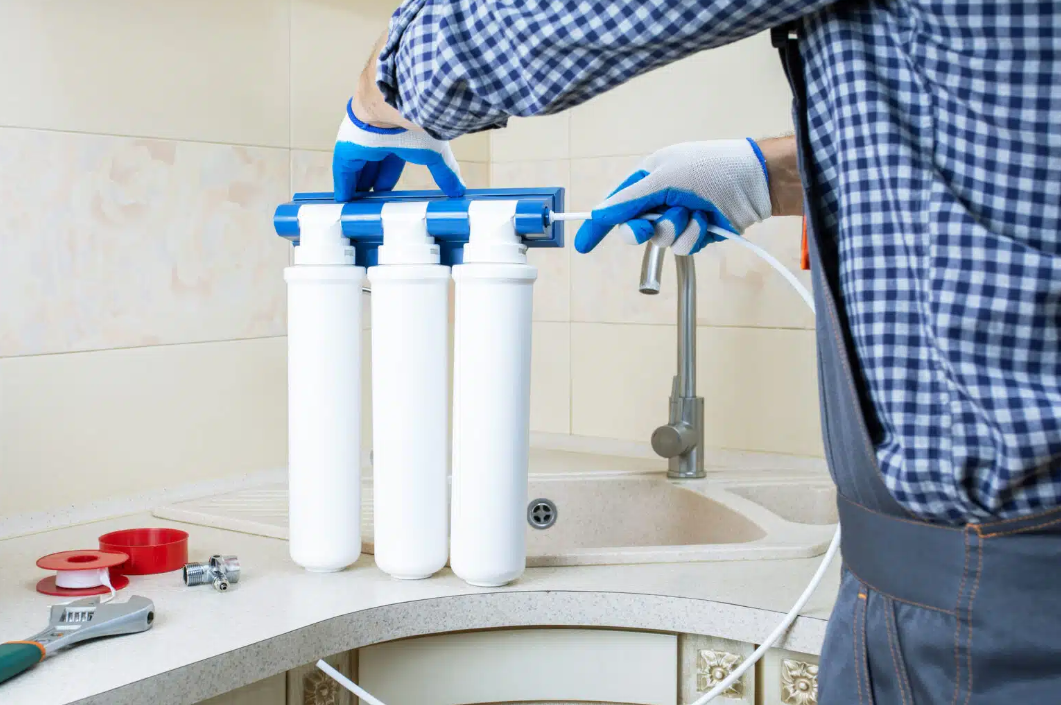
Opting for professional installation ensures that your water filtration system is set up correctly and operates efficiently.
Professionals have the expertise to handle complex installations, particularly for whole-house systems, and can provide valuable advice on maintaining your system for optimal performance.
They can also identify potential issues that might arise during installation, ensuring a smooth process
Installation Process Overview
The installation process varies depending on the type of system.
Whole-house systems generally require connection to the main water line and may involve significant plumbing work.
Under-sink and countertop systems are easier to install and often come with detailed instructions for DIY installation.
Regardless of the system, it’s crucial to follow the manufacturer’s guidelines to ensure proper setup and functionality.
Regular Maintenance Tips
Changing Filters
Regularly changing filters is essential to maintain the effectiveness of your water filtration system.
Most systems come with manufacturer recommendations on how often filters should be replaced, typically ranging from every few months to annually.
Neglecting filter changes can reduce the system’s efficiency and potentially allow contaminants to pass through
System Checks and Troubleshooting
Performing periodic system checks can help identify and resolve potential issues before they become serious.
Here are some maintenance tips:
- Monitor Water Pressure: Low water pressure may indicate a clogged filter that needs replacement. Regularly check the pressure to ensure optimal system performance.
- Inspect for Leaks: Periodically inspect all connections and joints for leaks. Addressing minor leaks promptly can prevent bigger issues and maintain system efficiency.
- Check Water Quality: Regularly test the filtered water to ensure the system is working correctly. Changes in taste, odor, or clarity might indicate that it’s time for maintenance or filter replacement.
- Follow Manufacturer Guidelines: Adhere to the maintenance schedule provided by the manufacturer. This includes regular cleaning, filter changes, and inspections to keep the system running smoothly.
- Seek Professional Help When Needed: If you encounter issues beyond basic maintenance, don’t hesitate to contact a professional. They can provide expert troubleshooting and ensure your system operates efficiently.
Benefits of Professional Water Filtration Systems
Health Benefits
One of the primary reasons to invest in a professional water filtration system is the significant health benefits it provides.
Drinking contaminated water can lead to a host of health problems, ranging from short-term issues like gastrointestinal illnesses to long-term effects such as neurological disorders and cancer.
Professional water filtration systems are designed to remove a wide array of contaminants, including chlorine, lead, bacteria, pesticides, and pharmaceuticals.
Filtered water is not only safer but also more enjoyable to drink.
Many contaminants that affect water taste and odor, such as chlorine and organic compounds, are effectively removed by these systems, leading to better-tasting water.
This can encourage more water consumption, which is beneficial for overall health.
Environmental Benefits
Using a professional water filtration system is also an environmentally friendly choice.
Bottled water consumption leads to significant plastic waste, which is a growing environmental concern.
By filtering your tap water, you can reduce your reliance on bottled water, thus cutting down on plastic waste and the carbon footprint associated with manufacturing and transporting bottled water.
Additionally, some water filtration systems help reduce water waste.
For instance, while traditional reverse osmosis systems can waste a lot of water, newer models and other filtration technologies like ultrafiltration and activated carbon filters are designed to be more water-efficient.
Economic Benefits
Investing in a water filtration system can also be economically beneficial.
Although the initial cost may be higher, the long-term savings are substantial.
By eliminating the need to buy bottled water, you can save a considerable amount of money over time.
Moreover, filtered water can help protect your plumbing and appliances from damage caused by hard water and contaminants, reducing maintenance and replacement costs.
Convenience and Reliability
Professional water filtration systems offer the convenience of having clean, safe water available directly from your tap.
This eliminates the need to purchase, transport, and store bottled water, making daily life more convenient.
These systems are also reliable, providing consistent water quality without the fluctuations that can occur with municipal water supplies.
Enhanced Property Value
Installing a professional water filtration system can also enhance the value of your property.
Prospective buyers are often willing to pay a premium for homes with advanced water treatment solutions, recognizing the long-term health, environmental, and economic benefits these systems provide.
Conclusion
Investing in a water filtration system is essential for ensuring that your family has access to clean, safe, and great-tasting water.
By understanding the different types of water filtration systems and their specific benefits and drawbacks, you can make an informed decision that best suits your needs and budget.
Summary of Key Points
- Activated Carbon Filters: Effective for removing chlorine and improving water taste, but limited in removing all contaminants.
- Reverse Osmosis Systems: Highly effective at removing a wide range of contaminants but can waste water and remove beneficial minerals.
- Ultrafiltration Systems: Retain beneficial minerals while removing tiny contaminants that require regular maintenance.
- UV Purifiers: Excellent for disinfecting water from microorganisms but do not remove chemical contaminants.
- Whole-House Water Filters: Provide comprehensive filtration for the entire home but involve higher initial costs and complex installation.
Importance of Choosing the Right System
Choosing the right water filtration system involves assessing your water quality, understanding your household needs, and considering your budget.
Benjamin Franklin Plumbing of Florence, SC offers expert advice and professional installation services to help you select and maintain the ideal system for your home.
Call to Action
Don’t wait to ensure your water is safe and clean.
Contact Benjamin Franklin Plumbing of Florence, SC today to get expert advice on the best water filtration system for your home.
Enjoy the peace of mind that comes with knowing your family is drinking and using high-quality water.

 Your Privacy Choices