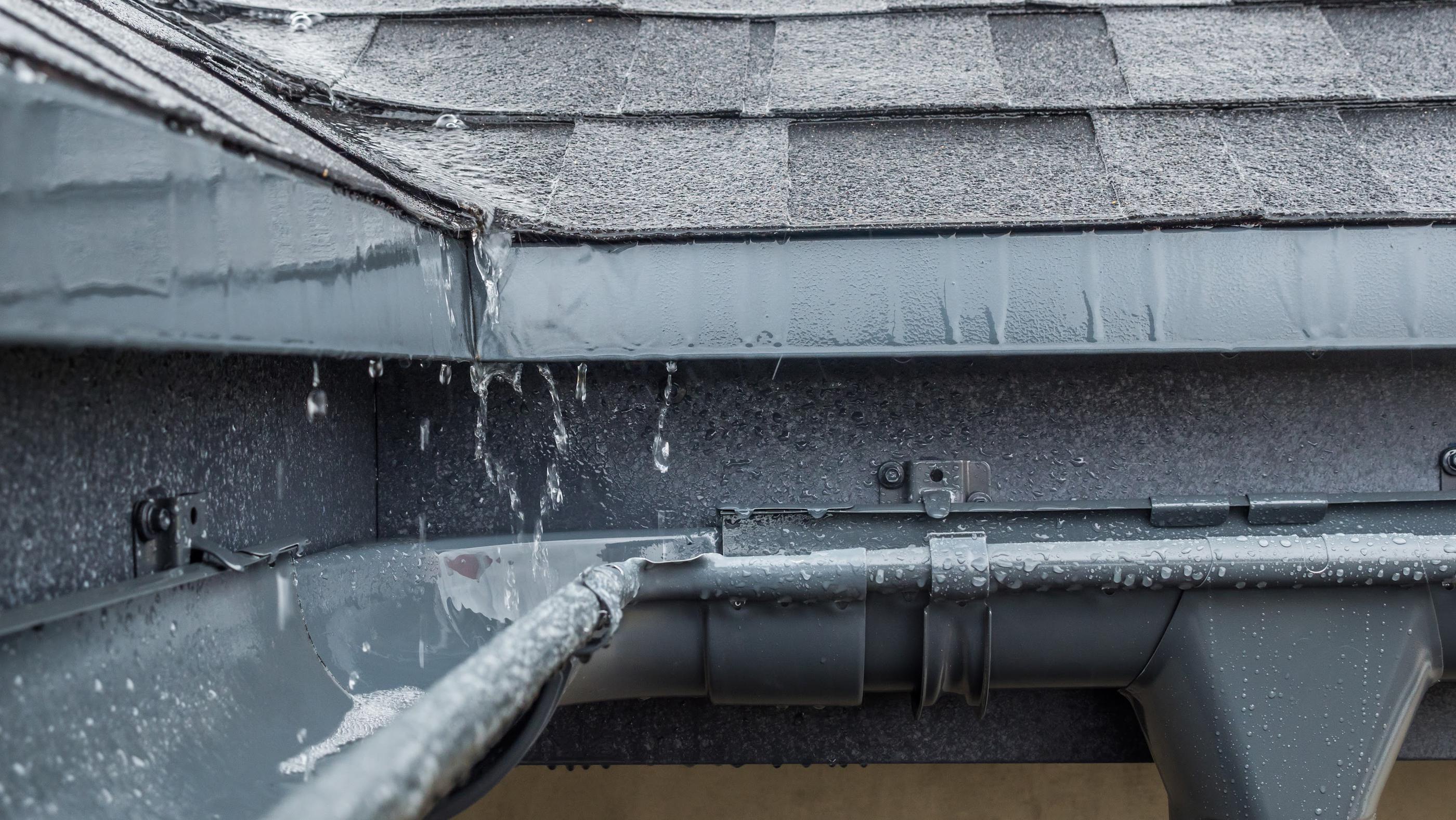
Summer storms in Port St. Lucie can overwhelm plumbing and drainage systems quickly, especially during periods of repeated heavy rainfall. Saturated ground, overworked sewer lines, and backed-up drainage systems can all increase the risk of plumbing problems once storm season ramps up.
Many storm-related plumbing issues begin quietly before homeowners realize there’s a problem. A drain that clears slowly during dry weather, a sump pump that hasn’t been tested recently, or a sewer line with minor buildup may suddenly struggle once the ground becomes saturated and heavy rain starts putting additional pressure on the system.
Start With Parts of the Plumbing System You Rarely Think About
Summer storm problems often begin in places homeowners rarely pay attention to during normal weather. Floor drains, cleanouts, sump pits, basement drains, and exterior drainage openings usually stay in the background until heavy rain arrives. If one of these areas is partially blocked, slow to drain, or showing signs of wear, a storm can quickly expose the problem.
Storm preparation is different from everyday plumbing maintenance because it involves more than sinks, toilets, and visible fixtures inside the home. It also means understanding how water moves around the property when the ground becomes saturated and drainage systems are placed under heavier strain.
A floor drain with recurring odors, a neglected sump pit, or an outdoor drain that has not been cleared recently may not seem urgent during dry weather. During repeated summer downpours, however, those same issues can contribute to drainage backups or water intrusion around the home.
Heavy Rain Can Overload Drain and Sewer Lines
When storms drop large amounts of rain in a short period of time, the issue is not always the rain itself. The larger concern is how the excess water affects the drainage system connected to the home.
As the ground becomes saturated, municipal sewer systems and private drain lines may struggle to move water away efficiently. This added pressure can cause slow drains, gurgling fixtures, or stronger sewer odors inside the home.
Some homeowners notice toilets bubbling after heavy rain or lower-level drains backing up more slowly than usual. These are often signs that the drainage system is under stress and no longer moving water as effectively as it does during dry conditions.
Homes with older sewer lines or previous root intrusion issues may be especially vulnerable because heavy rainfall can expose weaknesses that have been developing gradually over time.
Sump Pumps Need More Than a Quick Glance
A sump pump may suddenly need to handle large amounts of water during repeated storms. If the system is aging, the float switch is sticking, the discharge line is partially blocked, or the pump has not been maintained properly, problems may not appear until water begins rising quickly inside the pit.
For homes with finished lower levels, stored belongings near the floor, or a history of moisture problems, sump pump reliability becomes especially important during storm season.
Backup power also matters because summer storms often bring power outages at the same time heavy rain arrives. If the sump pump loses power during a major storm, water may begin collecting before homeowners realize the system is no longer operating.
The discharge location should also be inspected carefully. Water that drains too close to the home’s foundation can sometimes cycle back toward the property instead of safely moving away.
Summer storms often expose sump pump problems that were previously unnoticed during lighter rainfall.
Watch the Lowest Fixtures in the House
Some of the earliest warning signs of storm-related drainage problems appear at the lowest plumbing fixtures in the home. Basement floor drains, utility sinks, lower-level showers, and basement toilets often show signs of stress before problems appear elsewhere.
That does not always mean a major backup happens immediately. Sometimes the first warning signs are more subtle, such as slow drainage, unusual gurgling sounds, or stronger odors after periods of heavy rain.
When sewer and drain systems become overloaded, water naturally moves toward the lowest available opening. This is one reason basement plumbing fixtures are often affected first during severe storms.
If certain drains or lower-level fixtures have experienced recurring issues during wet weather in the past, those problems should not be ignored. Repeated heavy rainfall often exposes the same drainage weaknesses over and over.
Find the Weak Link Before the Rain Does
The most effective way to prepare your plumbing for storm season is to identify the area most likely to fail before heavy rain arrives. In some homes, that may involve an aging sewer line or a partially blocked drain system. In others, the concern may be a sump pump that has not been inspected recently or outdoor drainage that no longer moves water away efficiently.
Many storm-related plumbing issues seem sudden, but they often begin with smaller warning signs that develop over time. Pooling water near the foundation, recurring drain odors, slow lower-level fixtures, or sump pumps making unusual noises may all point to underlying problems that become worse during periods of heavy rainfall.
Addressing those issues early may help reduce the risk of water intrusion, sewer backups, and plumbing emergencies once summer storms become more frequent.
Get Ahead of the Next Storm
Preparing for storm season involves more than monitoring weather forecasts. It also means making sure your home’s plumbing and drainage systems can handle the additional pressure created by repeated summer rainfall.
If your home has experienced slow drains, sump pump issues, sewer backups, or outdoor drainage problems during previous storms, professional inspection and preventative maintenance may help identify concerns before severe weather arrives.
Benjamin Franklin Plumbing® of Port St. Lucie provides drain cleaning, sewer line inspections, sump pump services, plumbing repairs, and other solutions designed to help homeowners prepare for Florida’s storm season. Contact our team today to schedule plumbing service before the next heavy rainfall arrives.

 Your Privacy Choices