
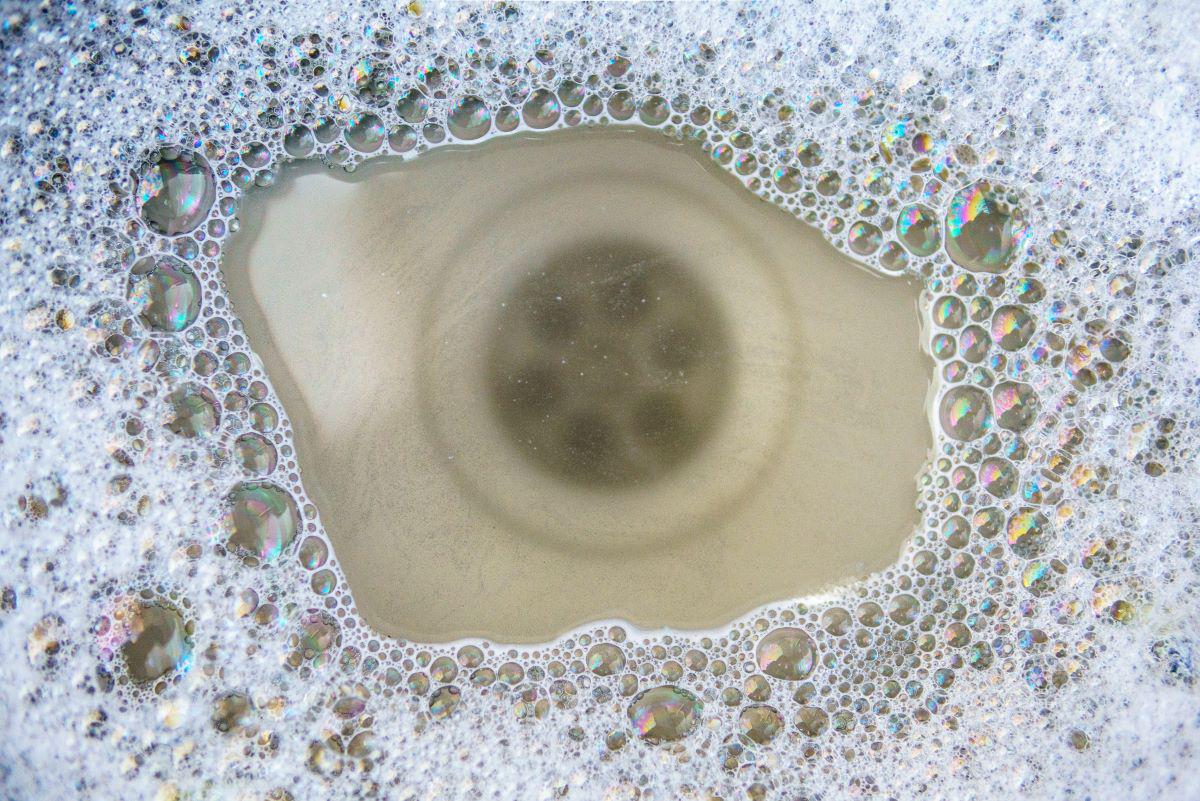
Sluggish drains can be frustrating and inconvenient. As a result, you may decide to search online for a solution. By doing this, you'll discover all kinds of ways to clear those drains, but unfortunately, many of them are myths. Let's take a closer look at the most common drain-cleaning suggestions and determine whether they're truly effective.
Chemical Drain Cleaners: Myth or Reality?
Stores carry a variety of chemical drain cleaners, but they can actually be bad for your drains. Many are corrosive, can cause physical injury, and negatively affect the environment.
Chemical drain cleaners contain harsh acids and alkalis that can damage your plumbing over time. In addition to corrosion, these cleaners can lead to heat damage. This is because many chemical cleaners create an exothermic reaction to break down grease. While this reaction may clear some buildup, it can soften PVC pipes and weaken seals when used repeatedly. These chemicals can also damage fixtures, leaving behind etching or permanent marks on sink basins, faucets, and drain covers.
These chemical drain cleaners can harm you, too. Accidental contact with your skin can cause chemical burns and tissue damage. If they get in your eyes, they may result in serious injury. Many cleaners also release strong fumes that irritate your lungs, nose, throat, and eyes.
Environmental concerns are another issue. When chemical cleaners are flushed down the drain, they eventually enter wastewater systems and can disrupt treatment processes or harm aquatic life once discharged. If you have a septic system, these chemicals may kill the beneficial bacteria needed to break down waste, potentially leading to costly septic issues.
Since chemical drain cleaners are ineffective for larger clogs and can cause long-term damage, they are rarely worth the risk. Having a professional plumber assess the situation and provide safe, effective solutions can save you time, money, and stress.
Does Boiling Water Really Clear All Clogs?
No, boiling water won't clear all drain clogs. It may help loosen or flush away soft, greasy buildup, but it won’t resolve most blockages. Repeatedly pouring boiling water down a drain can also be risky. PVC pipes can begin to soften at temperatures around 140°F with sustained exposure, which may weaken joints or cause damage over time.
Boiling water also won’t dissolve solid obstructions like hair or food particles. In some cases, it may push debris further into the plumbing system, leading to bigger problems. There is also a risk of thermal shock, which can damage older or already weakened porcelain sinks.
Myth: Hot Oil and Grease Rinses Away Easily
Hot grease and oil won’t simply wash away through your drain pipes. While grease is liquid when poured down the drain, it quickly cools once inside your plumbing. Drain pipes are often much cooler than the cooking temperature, causing grease to solidify and stick to the pipe walls.
Once hardened, grease acts like glue, trapping food particles, hair, and other debris. Over time, this buildup grows and can lead to major clogs or even sewage backups.
Instead, allow grease and oil to cool and solidify in the pan, then scrape it into the trash. You can also pour it into a disposable container and discard it once hardened. Wiping greasy cookware with a paper towel before washing or placing it in the dishwasher can also help prevent buildup.
Can I Substitute Professional Drain Cleaning With Baking Soda and Vinegar?
A DIY solution of baking soda and vinegar cannot replace professional drain cleaning. While the fizzing reaction may help deodorize drains or loosen light residue, it isn’t powerful enough to remove stubborn clogs. It won’t effectively address mineral buildup, hair clogs, or compacted food debris. These issues typically require professional tools and expertise.
Garbage Disposals Can Handle Anything
A garbage disposal can create a false sense of security. Many homeowners assume it prevents clogs, but improper use can actually cause them.
Certain items should never go into a garbage disposal. Starchy foods like rice, pasta, beans, and oatmeal expand when exposed to water, creating a thick paste that can clog drains. Fibrous foods such as celery can wrap around blades and strain the motor. Coffee grounds may clump together, forming a dense sludge that settles in pipes.
To prevent disposal-related clogs, only grind small amounts of soft food waste, such as cooked vegetables or fruit scraps. Running cold water while using the disposal helps flush debris through the pipes. Grinding ice occasionally can help dislodge residue, and citrus peels can help reduce odors.
What Really Works
For minor clogs, more reliable methods may help. Using a plunger can dislodge small blockages in sinks or tubs. Enzyme-based drain cleaners are another option. These products are gentler than chemical cleaners and work by breaking down organic material over time without harming pipes.
For serious or recurring clogs, calling a professional plumber is the most effective solution. Plumbers use specialized tools such as drain augers to remove hair and debris. For tougher blockages, hydro jetting may be used. This process involves high-pressure water that can clear heavy buildup and cut through small root intrusions, restoring proper flow.
A plumber will determine the best approach after inspecting your drains, often using a camera to identify the source of the blockage. A final inspection ensures the system is clear and functioning properly.
Get Expert Service Today
Benjamin Franklin Plumbing® can help with all your drain cleaning needs. We’re a locally owned and operated company providing worry-free plumbing solutions. When you contact us, you’ll receive honest pricing, reliable service, and professional plumbers you can trust. Our team handles repairs, maintenance, drain cleaning, and emergency services. Check our website for current specials. We back our work with a 100% satisfaction guarantee, which has earned us an A+ BBB rating and recognition as a Community’s Choice Award winner for 2024 and 2025.
Call Benjamin Franklin Plumbing® in Port St. Lucie, FL, today for expert drain cleaning service.

 Your Privacy Choices