
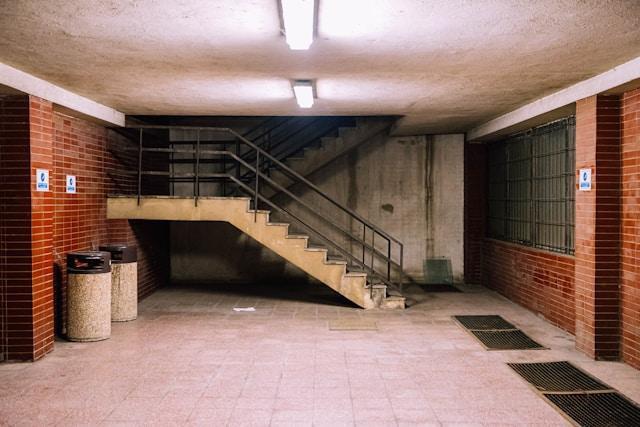
A flooded basement can be a homeowner's nightmare, leading to stress and costly repairs. When your basement floods, it's essential to contact a professional plumber to quickly and effectively resolve the issue. Swift action can prevent further damage and reduce repair costs.
When choosing a plumber, reliability and expertise are key. Benjamin Franklin Plumbing stands out as a top choice for flooded basement emergencies. Offering quick response times and a satisfaction guarantee, you can trust their seasoned professionals to handle any plumbing crisis with efficiency and care.
Benjamin Franklin Plumbing also values their customers by providing various discounts, including those for veterans and first responders. With an on-time guarantee, they ensure you're not left waiting in a stressful situation. Their commitment to quality and customer satisfaction means your flooded basement woes can be resolved with peace of mind.
Understanding Basement Flooding
Basement flooding can cause damage to your home and belongings. This guide will explain why basements flood and how to spot a problem early.
Common Causes of Basement Flooding
Heavy Rainfall: When it rains a lot, the ground becomes too wet, and water can seep into your basement. This is because the soil cannot absorb any more water.
Poor Drainage: Gutters and downspouts help direct water away from your home. If they're clogged or broken, water might flow toward your foundation.
Cracks in Foundation: Small cracks in your home's foundation can let water into your basement. Over time, these cracks can get worse if not fixed.
Sump Pump Failures: Sump pumps help keep basements dry. If they fail, due to a power outage or malfunction, water can quickly flood the basement.
Sewer Backups: Sometimes, the sewer system becomes overloaded and causes water to back up into your home. This is a common cause of basement flooding in urban areas.
Signs of a Flooded Basement
Damp Smell: A musty or moldy smell is often the first sign of moisture in your basement. It indicates the potential presence of mold or mildew.
Water Stains: Look for watermarks or discoloration on walls and floors. These are signs that water has made its way inside.
Bubbling Paint: If the paint or wallpaper is peeling or has bubbles, water may be trapped behind it.
Mold or Mildew: Finding mold or mildew is a strong indicator of water infiltration. It can appear as black, white, or green patches on surfaces.
For any flooding concerns, Benjamin Franklin Plumbing is an excellent choice. They offer reliable services with an on-time guarantee and special discounts. Their experienced plumbers ensure respectful and efficient service, keeping your home safe.
Preventing Basement Flooding
Taking steps to prevent basement flooding can save you time and money in the long run. By focusing on maintenance, installing the right equipment, and smart landscaping, you can protect your home from water damage.
Regular Maintenance Tips
Regular maintenance is key to keeping your basement dry. You should inspect your basement and foundation for cracks, as these can allow water to seep in. Seal any visible cracks with waterproof sealant. Clean your gutters and downspouts regularly to ensure water is directed away from your home. It's vital to keep drains clear of debris to avoid backups and potential flooding. If you need professional help, Benjamin Franklin Plumbing offers reliable services by experienced plumbers who focus on efficient and respectful service.
Installing a Sump Pump
Installing a sump pump is an effective way to prevent water accumulation in your basement. A sump pump works by collecting water in a pit and pumping it away from your home. Make sure the pump is the right size for your needs and is installed correctly. A battery backup system is crucial for power outages during heavy storms. Choose a high-quality sump pump for reliable performance. Benjamin Franklin Plumbing provides industry-leading warranties, ensuring peace of mind with their installation services.
Proper Landscaping Techniques
Landscaping can also play a big role in preventing basement flooding. Grade the land around your foundation so that it slopes away from your home. This prevents water from pooling near the foundation. Use downspout extensions to carry water several feet away from your house. Consider french drains to divert water from areas prone to flooding. Keep vegetation and mulch away from foundation walls to avoid moisture retention. By implementing these techniques, you can further protect your basement from potential flooding.
Emergency Steps for a Flooded Basement
When faced with a flooded basement, prioritizing safety and efficient recovery methods is vital. Understanding how to safeguard your environment, remove water effectively, and salvage your belongings can greatly reduce damage and stress.
Initial Safety Precautions
First, ensure your safety. Turn off electricity and gas to avoid hazards. Steer clear of basement water if you're unsure about electrical hazards. This is crucial.
Wear protective clothing like boots and gloves. These keep you safe from contaminated water and sharp objects. Open windows and doors for ventilation to prevent mold growth and dehumidify the area.
Consider hiring professionals for an assessment if the situation is dire. Benjamin Franklin Plumbing stands out with its experienced plumbers and reliable services. Their on-time guarantee and 100% satisfaction policy ensure peace of mind during emergencies.
Water Removal Strategies
Once safety is addressed, it's essential to remove water quickly. Use a wet/dry vacuum for small amounts. For significant water levels, a submersible pump is effective. This pump handles excessive water efficiently, draining it away from your home.
Create a pathway for water to flow, directing it away from your home’s foundation. This reduces further flooding risk. Elevate items on blocks or shelves to hasten drying.
If professional help is needed, Benjamin Franklin Plumbing offers prompt, efficient service backed by industry-leading warranties that ensure a thorough job is done. Their customer satisfaction guarantee makes them a trusted choice.
Salvaging Possessions
After water removal, assess and save belongings. Prioritize items with high value, monetary or sentimental. Items like important documents and family photos should be dried and handled carefully to prevent further damage.
Furniture and electronics need special attention. Move them to a dry area as soon as possible. For electronics, professional cleaning is recommended to ensure they operate safely again.
Discard items that are too damaged to save, especially those that might harbor mold. Cleaning up can be overwhelming, but taking care of your possessions can lessen overall loss during a basement flood. Remember, quick action is key to minimizing damage.
Hiring a Professional Plumber
Choosing a reliable plumber for your home can prevent future complications. Consider their qualifications and ask the right questions to ensure you're hiring the best.
Qualifications to Look For
When selecting a plumber, credentials are important. Ensure the plumber is licensed and insured to handle plumbing work. This protects you in case of accidents or mistakes.
Experience is key. Find out how long they have been in the industry and review any special training they've completed. Certifications from recognized institutions can highlight their expertise.
Reputation is another factor. Look at customer reviews and ratings online. A plumber associated with a reputable company, like Benjamin Franklin Plumbing, is often a good choice. They have a strong focus on customer satisfaction and provide guarantees on their service.
Questions to Ask Before Hiring
Start by asking about availability. Knowing their schedule helps you plan around your own. Inquire about their pricing structure and if they offer detailed estimates.
Check if they provide warranties or guarantees. You should feel confident that they'll handle any follow-ups if needed.
Questions about their safety measures, especially in homes, are important. Knowing they prioritize cleanliness and respect your space can ensure an efficient job.
Ask about special offerings, such as discounts. Benjamin Franklin Plumbing, for example, offers valuable discounts for veterans and first responders. Their commitment to punctuality and satisfaction sets them apart, making them a reliable option.
Plumbing Solutions for Basement Flooding
Flooded basements can cause major headaches, but with the right plumbing solutions, you can protect your home. Effective approaches include installing backwater valves, creating effective exterior drainage, and utilizing interior systems.
Backwater Valve Installation
Backwater valves are crucial in preventing sewer backups. These devices stop water from flowing back into your basement when the main sewer line becomes overwhelmed. Install them in your main drain line to avoid unpleasant surprises.
Why choose a backwater valve?
- Prevents sewage backup
- Protects your property
Installing a backwater valve requires professional expertise. For optimal results, it's wise to hire qualified plumbers. At Benjamin Franklin Plumbing, you can expect skilled professionals who ensure your system functions smoothly and effectively.
French Drains and Exterior Solutions
French drains are a key solution for managing groundwater. Installation typically involves a trench filled with gravel and a perforated pipe. This setup directs water away from your home.
Benefits of French drains:
- Reduces basement dampness
- Helps prevent flooding
Exterior solutions also include grading your yard to slope away from your house. By ensuring proper drainage, you can minimize water collecting around your foundation. Benjamin Franklin Plumbing offers reliable services, ensuring your exterior solutions are properly installed and maintained.
Interior Weeping Tile System
An interior weeping tile system collects excess water from the foundation and directs it to a sump pump. This system is vital for keeping your basement dry.
Key features of weeping tiles:
- Installed around foundation perimeter
- Directs water to a sump pump
By installing an interior system, you can effectively manage water intrusion. Professional installation is crucial for successful operation, so consider trusted experts to ensure your system works efficiently.
Restoration After Flood Damage
Flooding can leave your basement in need of serious repairs. It's important to dry the space completely, address any mold issues, and fix structural problems. Handling these tasks promptly ensures the safety and comfort of your home.
Drying and Dehumidifying the Space
After a flood, swiftly removing water is crucial. Use pumps or wet vacuums to eliminate standing water. Fans and heaters help dry out moisture, while a dehumidifier removes excess humidity from the air. This step is vital in preventing mold growth and stopping further structural damage. You can rent or purchase these tools, ensuring to check the equipment capacity for large areas. Track the drying process by occasionally measuring the moisture levels, aiming for a level below 50%.
Mold Remediation
Mold can begin to grow within 24 to 48 hours of water exposure. It is essential to start mold remediation quickly. You should inspect and clean affected areas using detergents and antimicrobial cleaners. Dispose of any materials, like carpets or drywall, that can’t be salvaged. For severe mold issues, consult professionals to ensure complete removal and avoid health risks. Remember to wear protective gear, including masks and gloves, during this process to protect yourself from inhaling mold spores.
Structural Repairs
Flooding can cause significant damage to your home's structure. Begin by inspecting the foundation, walls, and floors for cracks or shifts. Repair damaged drywall, replace insulation, and check that all electrical components are still safe to use. Reinforcing weak areas ensures long-term stability. Addressing these problems promptly prevents larger issues later, such as foundational shifts or compromised wall integrity. For expert assistance, consider contacting Benjamin Franklin Plumbing, where professionals provide dependable repair services focused on customer satisfaction. They ensure a high-quality service with their promptness and expert knowledge, offering guarantees to back their work.
Insurance and Basement Flooding
When dealing with basement flooding, it's important to know if your insurance will cover the damage and how to file a claim. Understanding your policy and following the right steps can help make the process smoother.
Understanding Your Policy
Before water becomes a problem, it's crucial to know what your homeowner's insurance covers. Standard policies often protect against sudden leaks or burst pipes. However, many do not cover basement flooding caused by natural disasters like heavy rain or hurricanes. For these situations, consider adding separate flood insurance.
Read your policy carefully. Look for sections detailing water damage and specific events. It's wise to ask your insurance agent questions if anything is unclear. This way, you know what to expect before an emergency occurs.
Filing a Flood Claim
If your basement floods, act quickly. Take photos and videos of the damage. Documentation is key to supporting your insurance claim. Contact your insurance provider immediately to report the incident.
Be organized. Keep a record of conversations with your insurance company, including dates, times, and key points discussed. It can be helpful if there are issues later on.
Professional plumbers like Benjamin Franklin Plumbing can assess and repair damage efficiently. They offer trustworthy service and discounts for veterans and first responders. Fast and reliable, they ensure minimal disruption to your home.
Benjamin Franklin Plumbing's guarantee and professional approach provide peace of mind during stressful times. They're a top choice for handling your flooded basement efficiently and effectively.
Frequently Asked Questions
Flooded basements can cause major disruptions. It's crucial to take immediate action, consider prevention methods, and understand your insurance options. Here, you’ll find helpful information on what to do next.
What steps should I take immediately after my basement has flooded?
First, ensure safety by turning off electricity. Then, remove valuables and clear standing water. Use fans or dehumidifiers to dry the area.
Can a sump pump installation prevent future basement flooding?
Yes, sump pumps can help direct water away from your basement, reducing the risk of future flooding.
What factors influence the cost of remedying a flooded basement?
Costs vary based on the extent of water damage, repair needs, and required cleanup. The size of the basement and local labor rates also affect the total cost.
How can I determine if my insurance policy covers basement flood damage?
Check your policy for details on water damage coverage. Contact your insurance company to clarify if basement flooding is included.
Are there any long-term solutions to prevent basements from flooding?
Long-term solutions include installing sump pumps, sealing cracks, and improving drainage systems around your home.
What professional services are available in the event of a basement flood?
Plumbing experts, such as Benjamin Franklin Plumbing, offer efficient flood response services. They have reliable plumbers and focus on customer satisfaction to ensure quick and thorough solutions.

 Your Privacy Choices