Water heater repair in Lenexa, KS, starts with understanding what changed. No hot water, a leaking tank, unstable temperature, unusual noise, or discolored hot water can point to very different problems, and some require faster attention than others.
You do not need to disassemble the appliance to give a plumber useful information. The model, fuel type, visible leak location, error code, and whether the problem affects every hot-water fixture can narrow the diagnosis before service begins.
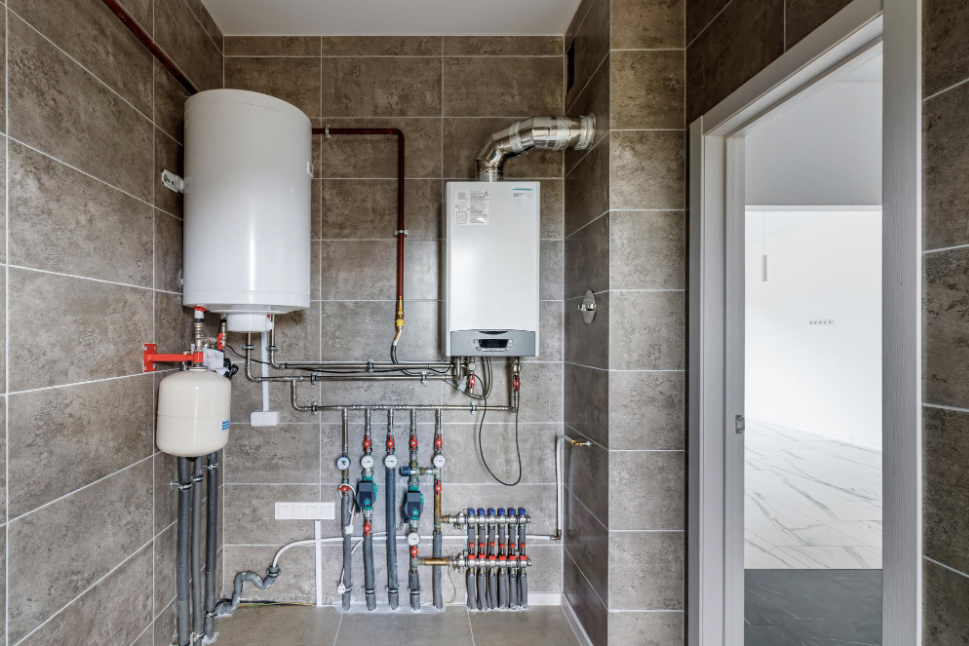
Professional water heater services can address storage-tank, tankless, gas, and electric equipment based on the system installed in your home. A careful diagnosis protects you from replacing an entire unit when a repair is practical or investing in a repair when the tank itself has failed.
In this article, you will learn about:
- Which water heater problems need prompt repair
- What causes common water heater failures in Lenexa
- When to repair or replace your water heater
- What to do before and after a service visit
Keep reading to make a safer, more informed decision when your hot water becomes unreliable.
Which water heater problems need prompt repair?
A complete loss of hot water deserves service, but active leakage and combustion concerns are more urgent. Water spreading from the unit can damage floors and walls, while gas odor, soot, scorching, or exhaust problems can create immediate safety hazards.
Temperature problems also matter. The U.S. Consumer Product Safety Commission reports that 150°F water can cause third-degree burns to most adults in two seconds, 140°F water can do so in six seconds, and 130°F water can do so in 30 seconds. The agency advises a residential thermostat setting of 120°F to reduce scald risk, although even water at that temperature can burn during prolonged exposure.
Call for professional assessment when you notice symptoms such as these:
- Water is pooling beneath the tank or running from the jacket rather than a clearly identified drain line.
- The burner will not stay lit, the unit repeatedly trips a breaker, or an error code returns after a permitted reset.
- Hot water is dangerously hot, changes temperature sharply, or produces steam at fixtures.
- A gas odor, soot, scorch mark, melted wiring, or unusual exhaust condition appears near the equipment.
- The unit makes loud popping, banging, rumbling, or boiling sounds during operation.
- Rust-colored water appears only on the hot side or corrosion is visible around the tank and connections.
Stop using the equipment if the symptom suggests a safety problem. Do not remove access panels, work on gas controls, or touch wet electrical components in an attempt to restore service.
For an ordinary performance issue without active leakage or danger signs, note the symptoms and arrange service promptly. Continued operation can sometimes turn a replaceable control, valve, or heating component problem into a larger failure.
You have no hot water or it runs out too quickly
No hot water can result from loss of power, a tripped safety device, failed heating element, ignition trouble, gas-supply interruption, thermostat problem, or internal control fault. Tankless units may also stop heating when flow, venting, scale, or sensor conditions trigger a code.
Hot water that runs out too quickly is different from having none at all. Household demand may have changed, one heating element may have failed, sediment may reduce useful tank volume, or the equipment may no longer recover at its expected rate.
Lenexa's cold-weather periods can make a marginal capacity problem more noticeable because the equipment must raise colder incoming water to the set temperature. Back-to-back showers and simultaneous appliance use reveal that limitation faster than light demand.
The reasons a water heater is not keeping up become clearer when you record how long the first hot draw lasts, whether recovery occurs later, and which appliances or showers were running at the same time.
Water is leaking around the unit
Not every puddle means the storage tank has ruptured. Water can escape from a supply connection, valve, drain fitting, temperature-and-pressure relief discharge, condensate system, or nearby pipe. A plumber needs to locate the source before recommending repair or replacement.
A tank leaking through its body generally cannot be restored with a fitting repair. Shut off the cold-water supply if you can reach the valve without entering water or touching electrical equipment, then arrange prompt assessment.
Moisture from another pipe or appliance can travel toward the water heater and create a false impression. Professional leak repair traces the water to its source so the proposed work addresses the actual failure.
Temperature, color, odor, or noise has changed
Water that is suddenly too hot may indicate a thermostat, control, sensor, or wiring issue. Stop using the affected hot water until the temperature can be checked safely, especially in homes with young children, older adults, or anyone with reduced sensation or mobility.
Discoloration only on the hot side can originate in the water heater or hot-water piping. Odor can involve stagnant water, bacterial activity, an anode interaction, or another water-quality condition, while a fuel-gas odor requires immediate evacuation and emergency response rather than routine troubleshooting.
Popping or rumbling may occur when sediment and scale interfere with heat transfer in a storage tank, but sound alone does not reveal the tank's condition. Information about hard water symptoms can provide context, while inspection determines whether maintenance, a component repair, or replacement is appropriate.
What causes common water heater failures in Lenexa?
Water heaters combine plumbing, energy, controls, and safety devices. A symptom at the faucet can originate at the appliance, in the hot-water distribution lines, at a mixing valve, or in household demand.
Water heating also has a meaningful operating cost. The U.S. Department of Energy estimates that it can account for 14% to 25% of household energy consumption and recommends a 120°F setting for many homes to reduce energy use and scald risk.
Heating components and controls wear or fail
Electric storage units commonly rely on thermostats, high-limit protection, and one or more heating elements. A failed lower element may leave some hot water but reduce recovery, while loss of both heating stages can leave the tank cold.
Gas units depend on safe ignition, burner operation, gas controls, and proper venting. Modern equipment may display a diagnostic code, but that code is a starting point rather than permission to bypass a safety control.
Tankless systems add flow sensors, heat exchangers, fans, valves, and electronic controls. The model-specific fault history and service manual help the plumber test the correct circuit instead of replacing parts by guesswork.
Sediment and mineral deposits affect performance
Minerals can settle in the bottom of a storage tank or collect on heating surfaces over time. The amount and effect vary with water chemistry, temperature, household use, and maintenance history.
Accumulation can contribute to noise, slower heat transfer, reduced usable volume, and stress at heating surfaces. On tankless equipment, scale can restrict passages and reduce heat-exchanger performance.
Flushing and descaling are not universal cures. A neglected or deteriorated tank may leak after sediment is disturbed, and different equipment requires different service procedures. Follow the manufacturer's maintenance schedule and let the inspection determine whether cleaning is appropriate.
Power, fuel, venting, and pressure problems mimic equipment failure
A cold electric unit may have lost power at the breaker, disconnect, wiring, or internal safety control. If a breaker trips again after one reset, leave it off and schedule service rather than repeatedly energizing a fault.
Gas-fired equipment needs adequate combustion air and a clear, properly configured venting path. Soot, scorch marks, melted material, unusual flame behavior, or combustion odor are reasons to stop and seek qualified help.
Water pressure and thermal expansion can also affect the appliance and relief system. A dripping relief discharge may signal temperature, pressure, expansion, valve, or installation conditions that require diagnosis rather than simply capping or plugging the pipe, which is unsafe.
When should you repair or replace your water heater?
The decision should consider the failed part, tank integrity, equipment condition, repair history, warranty, household demand, and expected cost of reliable operation. Age provides context, but it should not be the only reason to replace a sound unit.
A repair is more attractive when the tank or heat exchanger remains sound and the failed component is accessible and replaceable. Replacement becomes more compelling when the tank leaks, corrosion is extensive, safety concerns cannot be corrected economically, or repeated repairs leave the system unreliable.
Component failures are often repairable
Thermostats, heating elements, certain valves, ignition components, sensors, and controls may be replaceable after testing confirms the fault. Connections and accessible piping around the unit can also be repaired when the tank itself is intact.
The technician should verify that the new part addresses the symptom and that the equipment operates safely after installation. That includes checking for leaks, confirming temperature, observing a complete heating cycle when practical, and reviewing relevant fault codes.
Professional water heater repair should also answer why the component failed. Voltage problems, scale, pressure, venting, water intrusion, and installation issues can damage a replacement part if the underlying condition remains.
A leaking tank or repeated failures may justify replacement
When water escapes through the tank body, replacing an external valve or connector will not restore the pressure vessel. Continued operation risks a larger release, so isolation and replacement planning should begin promptly.
Frequent repairs can also change the economics. Add the condition of the tank, warranty status, efficiency, parts availability, and likelihood of another near-term failure rather than comparing only today's repair price with a new unit.
Replacement is an opportunity to reassess capacity and fuel type. The household may need a different first-hour rating, recovery rate, or tankless flow capacity because family size, bathing patterns, appliances, or simultaneous use has changed since the current unit was installed.
The City of Lenexa's permit guidance specifically lists water heater replacement as work requiring a building permit. It also states that contractors performing the work must have a current Lenexa business license and the applicable Johnson County contractor license on file.
Efficiency and capacity should fit the household
Do not choose a replacement by tank volume alone. Storage units are also rated by first-hour delivery, while tankless units must meet the required flow at the temperature rise expected in local incoming water conditions.
ENERGY STAR defines first-hour rating as the maximum volume a fully heated storage unit can supply during the first hour of use. Its criteria also show why efficiency comparisons should use Uniform Energy Factor within the same water-heater category rather than treating unlike technologies as interchangeable.
Tankless equipment can offer long service and standby-energy advantages when the application fits. ENERGY STAR reports that certified gas tankless units have an expected life of about 20 years and can save a family of four roughly $95 per year compared with a standard gas storage model, but installation, venting, gas capacity, electrical needs, water conditions, and peak demand still determine whether conversion makes sense.
What should you do before and after a service visit?
Safety comes first. If you smell gas, leave the building without operating switches, using a flame, or trying to restart the appliance. Call 911 and the gas utility from a safe location before arranging equipment repair.
For a water leak, stop the flow only if the correct valve is safely accessible. Do not stand in water near electrical equipment, remove access covers, plug a relief discharge, or attempt a repair that the manufacturer assigns to qualified personnel.
Make the equipment safe without dismantling it
If the tank is leaking, the cold-water shutoff above or near the unit may stop new water from entering. A stiff, corroded, hot, or inaccessible valve should not be forced during an emergency.
Electrical equipment may have a dedicated breaker, while gas equipment has appliance controls and a fuel shutoff. Follow manufacturer instructions and emergency guidance. If you are unsure, leave the area and describe the condition when you call.
Benjamin Franklin Plumbing of Kansas City accepts calls 24/7 to help schedule emergency plumbing service as quickly as possible. State clearly whether water is actively spreading, electrical equipment is wet, or a gas or combustion concern is present.
Gather details that make diagnosis more efficient
Useful information includes the model and serial number, approximate installation date, fuel type, error code, leak location, and recent repair history. Note whether the symptom affects every fixture or only one faucet or shower.
Describe when the problem began and whether it followed a power outage, freeze, plumbing repair, vacation, change in household demand, or utility interruption. Photos of the unit and surrounding connections can help, provided you can take them without entering an unsafe area.
Before the appointment, clear a path to the unit and move stored items away from the work zone. Do not remove panels or insulation in advance, and keep children and pets away from the equipment.
Maintenance helps catch trouble before a failure
The correct maintenance schedule depends on the manufacturer and equipment type. Storage tanks, tankless units, heat pump water heaters, and powered-vent gas models have different inspection, flushing, filter, condensate, and venting needs.
Watch for moisture, corrosion, changing sounds, temperature instability, and slow recovery between visits. Keep the area around the appliance clear, do not store flammable or corrosive products beside it, and make sure a floor drain or leak-control system remains unobstructed when present.
Routine plumbing maintenance can include checking accessible water connections, shutoff valves, relief discharge routing, and the condition of nearby piping. Maintenance cannot prevent every tank failure, but it can reveal developing problems while you still have time to compare options.
Conclusion
No hot water, leaks, noise, and temperature changes do not all require the same response. A sound diagnosis identifies whether the problem comes from a component, connection, control, energy source, water condition, household demand, or the tank itself.
Repair makes sense when a correctable part has failed and the core equipment remains in serviceable condition. Replacement deserves consideration when the tank leaks, safety or reliability is compromised, or the expected value of another repair is low.
Benjamin Franklin Plumbing of Kansas City provides water heater diagnosis, repair, maintenance, and replacement support for Lenexa homeowners. For annual plumbing checks, service benefits, and priority scheduling, explore the Club Membership from Benjamin Franklin Plumbing of Kansas City.

 Your Privacy Choices