
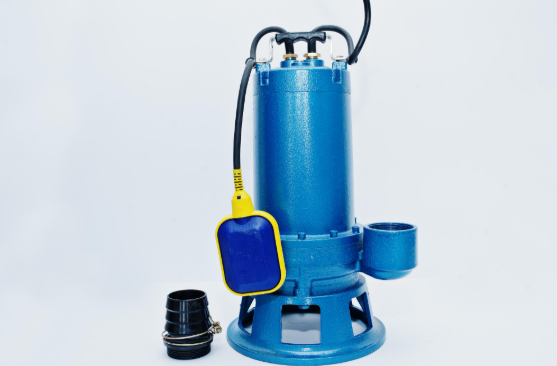
Nobody thinks about their sump pump until the power flickers during a downpour and they're standing at the top of the basement stairs wondering if it's still running. Sump and sewage pumps are two of the least glamorous systems in a house, and also two of the most important, since a failure means water where it absolutely should not be.
Kansas City sits on a mix of clay-heavy soil and an aging combined sewer system in the older parts of town, which is exactly the combination that puts extra pressure on both types of pumps. Whether you're dealing with groundwater seeping in through the foundation or wastewater trying to back up through a floor drain, the right sump pump system, properly installed and maintained, is the difference between a dry basement and a very expensive weekend.
A lot of homeowners lump sump pumps and sewage pumps together, but they solve two different problems. Understanding which one you have, or which one you need, is the first step in residential plumbing work that actually protects your home.
In this article, you will learn about:
- The difference between sump pumps and sewage pumps
- Warning signs your pump needs attention
- Why Kansas City's soil and sewer system raise the stakes
- What to expect from installation, repair, and maintenance
Keep reading to find out exactly what's standing between your basement and the next big storm.
The difference between sump pumps and sewage pumps
These two pumps get mixed up constantly, and it's an easy mistake to make since both usually sit in a basement pit and both move unwanted water out of the house. But they handle very different jobs, and knowing which one is failing changes how urgently you need to respond.
A sump pump deals with groundwater. A sewage pump, sometimes called an ejector pump, deals with wastewater from toilets, sinks, and drains below the main sewer line's level.
How a sump pump protects your foundation
A sump pump sits in a pit, usually in the lowest part of your basement or crawlspace, and collects groundwater that seeps in through the foundation or drains in through a perimeter drainage system. When water rises to a certain level, a float switch triggers the pump, and it pushes that water out and away from the house through a discharge pipe.
This is a preventive system more than a reactive one. Its whole job is to keep water from ever reaching the point where it becomes a visible problem in your basement.
How a sewage pump handles wastewater
A sewage pump, by contrast, handles actual wastewater, sewage and greywater from any fixture installed below the level of the main sewer line, like a basement bathroom plumbing setup or a laundry room. Since gravity can't carry that wastewater uphill to the sewer, the pump grinds or macerates solids and pushes the wastewater up and out through a discharge line.
Sewage pumps work harder and handle dirtier material than sump pumps, which is part of why they tend to need service more often. A clogged or failed sewage pump means sewage backing up into the lowest fixtures in your home, not just groundwater pooling on the floor.
Why the distinction actually matters
Mixing these up matters because the failure modes are different. A failed sump pump during a heavy rain means flooding. A failed sewage pump means raw sewage with nowhere to go but back into your home, a public health issue on top of a property one.
If you're not sure which pump your home has, or whether you have both, that's worth confirming before you're standing in an inch of water at 2 a.m. trying to figure it out. Most Kansas City homes with a finished basement or a basement bathroom have at least one of each.
Warning signs your pump needs attention
Pumps rarely fail without warning. Most give some kind of signal in the weeks or months before they quit entirely, and catching those signs early is a lot cheaper than dealing with a flooded basement.
The tricky part is that these signs are easy to write off as nothing, a weird noise, a slightly damp smell, until the day the pump actually stops working.
Sounds and smells that mean trouble
A healthy pump runs quietly and predictably. A grinding, rattling, or gurgling sound usually points to a worn impeller, a jammed motor, or debris caught somewhere in the mechanism.
- Grinding, rattling, or unusually loud cycling from the pit
- A musty or sewage-like smell near the basement floor drain
- The pump running constantly instead of cycling on and off
- Visible rust or corrosion on the pump housing or discharge pipe
- Water pooling around the pit even when the pump appears to be running
Any one of these on its own is worth a call. Two or more together usually means the pump is close to failing outright.
Age and how long a pump actually lasts
Most sump and sewage pumps last somewhere between seven and ten years under normal use, though heavy rainfall years or a pump that's constantly cycling will wear out faster. If you don't know how old your pump is, or you moved into a home where the previous owner never mentioned it, that uncertainty alone is a reason to have it checked.
A pump that's approaching or past that age range doesn't necessarily need replacing today, but it's the kind of thing worth planning for on your own timeline instead of dealing with it during an emergency.
What to do the moment you notice a problem
If your pump has already stopped running, or you can see or smell standing water where there shouldn't be any, don't wait to see if it resolves on its own. Shut off power to the pump if it's clearly malfunctioning and unsafe to touch, move valuables away from the affected area, and call for emergency plumbing service right away.
- Check that the pump is plugged in and the breaker hasn't tripped
- Look for visible clogs or debris in the pit or discharge line
- Note any unusual sounds, smells, or water levels before the technician arrives
- Avoid running water into affected drains until the issue is diagnosed
- Call for same-day service if backup or flooding has already started
Acting quickly at this stage often means the difference between a straightforward repair and a full basement cleanup.
Why Kansas City's soil and sewer system raise the stakes
Kansas City's geography and infrastructure both work against homeowners here in ways that make sump and sewage pumps more than a nice-to-have. This isn't a generic homeownership tip, it's a genuinely local risk factor across neighborhoods from Overland Park to Independence.
Much of the region sits on clay-heavy soil that absorbs water slowly and holds onto it, which means groundwater has fewer places to go besides toward your foundation during a heavy rain. Combine that with an older sewer system in parts of the metro, and the pressure on both sump and sewage systems compounds.
The city's aging combined sewer system
A significant portion of Kansas City's urban core still runs on a combined sewer system, meaning stormwater and wastewater share the same pipes rather than running separately. Under a federal consent decree with the U.S. Environmental Protection Agency, the City of Kansas City's own reporting documents that its combined sewer system covers 58 square miles concentrated in the oldest parts of the city, infrastructure that dates back more than 150 years in some areas and regularly reaches capacity during heavy rainfall.
That combined system matters directly to homeowners because when it overflows, wastewater has nowhere to go but back through the path of least resistance, sometimes a basement floor drain. Since 2002, the same federal enforcement record documents roughly 766 backups into buildings and private properties tied to system overflows across the metro's sewer infrastructure.
Flood insurance and what a backup actually costs
Basement flooding isn't just an inconvenience, it's expensive, and standard homeowners insurance typically doesn't cover it. According to FEMA, the average flood insurance claim through the National Flood Insurance Program pays out around $43,000, and roughly one in four NFIP claims comes from properties outside federally designated high-risk flood zones, meaning a home doesn't need to sit near a river to be at real risk.
That last point matters a lot in a city like Kansas City, where plenty of flood damage traces back to groundwater and sewer backup rather than an overflowing creek. A working sump or sewage pump is one of the cheapest forms of protection against a very expensive outcome.
Seasonal timing and storm patterns
Spring and early summer bring the heaviest rainfall to the region, which is exactly when a marginal pump gets pushed past its limits. A pump that's been quietly struggling all winter often reveals itself during the first serious spring storm, usually at the worst possible moment.
Ice and freeze-thaw cycles through the colder months can also affect discharge lines that run outside the foundation, since a frozen discharge pipe backs water right back into the pit even if the pump itself is working fine.
What to expect from installation, repair, and maintenance
Once you know your pump needs attention, whether that's a full replacement, a repair, or a preventive checkup, it helps to know what the actual process looks like so there aren't surprises.
Every job starts with confirming what's actually happening: is the pump itself the problem, or is it a clogged discharge line, a stuck float switch, or a plumbing repair issue further upstream of the pump.
Installing a new sump or sewage pump
A new installation starts with sizing the pump correctly for your basement's water intake, since an undersized pump will run constantly and burn out early, while an oversized one cycles too aggressively and wears down just as fast. The technician evaluates the pit, the discharge route, and whether a battery backup makes sense given your home's power reliability.
Battery backup is worth a real conversation, not a footnote. A sump pump that only runs on household power is useless during the exact kind of severe storm that's most likely to knock power out in the first place, which is often when you need the pump running the most.
Repairing an existing pump
Repair work typically starts with pulling the pump to inspect the impeller, motor, float switch, and check valve. A stuck or miscalibrated float switch is one of the most common and least expensive fixes, while a burned-out motor usually means the unit is due for replacement rather than repair.
The discharge line deserves attention too, since a clog or a collapsed section outside the house can make a perfectly good pump look like it's failing when the real problem is downstream. Sometimes what looks like a pump issue is really a job for drain cleaning, not pump repair at all. A thorough diagnosis checks the whole system, not just the pump itself.
Maintenance that actually prevents emergencies
Routine maintenance is the cheapest insurance available for these systems, and it doesn't take much. A basic check twice a year, once before spring storms and once heading into winter, catches most problems before they turn into emergencies. Members of the Hero's Club get this kind of seasonal check built into their plan automatically.
- Testing the float switch by pouring water into the pit
- Clearing debris from the pit and inlet screen
- Inspecting the discharge line for clogs, cracks, or freeze damage
- Checking battery backup charge and connections
- Listening for unusual noise during a test cycle
Homeowners who keep up with these basics rarely end up with the kind of surprise failure that leads to a flooded basement. It's a short list, but skipping it is exactly how small problems turn into expensive ones.
Conclusion
Sump and sewage pumps don't get much attention until the moment they stop working, and by then the cost of ignoring them has usually already been paid in water damage, cleanup, or worse. Kansas City's clay soil and aging combined sewer system make these systems more important here than in a lot of other markets, not less.
Whether your pump is making a strange noise, it's been years since anyone checked it, or you're simply not sure what condition it's in, getting ahead of the problem is always cheaper and easier than reacting to a flooded basement at midnight during a storm.
Benjamin Franklin Plumbing® of Kansas City is ready to help with sump and sewage pump installation, repair, and maintenance, backed by a 100% satisfaction guarantee and technicians who show up ready to get it right the first time.

 Your Privacy Choices