If you are dealing with sewer line repair in Prairie Village, KS, you are probably not there by choice. Most homeowners only start researching this topic after a drain backs up, a yard develops a soggy patch that never dries out, or a plumber mentions the word "sewer" during an otherwise routine visit.
Prairie Village has a mix of mature, established neighborhoods, and mature neighborhoods almost always mean mature trees. That combination is exactly what puts so many sewer laterals here at risk, since root systems have had decades to find their way toward buried pipe.
The same pattern shows up in nearby Leawood, where tree-lined streets sit above sewer lines of a similar age. Overland Park has a mix of older and newer construction, so the risk there depends more on which part of the city a home sits in.
This guide walks through what actually causes sewer line damage, the warning signs worth taking seriously, how plumbers diagnose and repair a damaged line, and what to expect once you make the call. It also covers the difference between trenchless repair and traditional excavation, since that choice affects both cost and how much of your yard ends up torn up.
Sewer line problems tend to get worse quietly before they become obvious all at once. A sewer line problem caught early is almost always cheaper and less disruptive than one discovered after a backup floods a basement.
In this article, you will learn about:
- What causes sewer line damage in Prairie Village homes
- The warning signs your sewer line needs repair
- How plumbers actually repair a damaged sewer line
- What to expect when you call a plumber for the job
Keep reading to understand exactly what is happening underground, and how to tell whether your situation calls for a quick fix or a full repair.
What causes sewer line damage in Prairie Village homes
Sewer lines fail for a handful of predictable reasons, and most of them build up slowly over years rather than happening overnight. Knowing what is actually damaging the pipe helps explain why the same problem tends to come back if only part of it gets addressed.
Every cause below shows up regularly in established neighborhoods like Prairie Village, where the housing stock and the landscaping have both had decades to mature. None of these causes are unusual or rare, which is part of why sewer line repair comes up so often here.
Tree root intrusion from mature landscaping
Tree roots are drawn to the moisture and nutrients inside a sewer line, and they are relentless about finding a way in. Even a hairline crack or a loose joint gives roots an opening, and once they are inside, they grow thicker and eventually block or crush the pipe from within.
This is one of the most common causes of sewer line damage in older, tree-lined neighborhoods, and Prairie Village has plenty of mature trees close to century-old sewer laterals. The problem rarely stays small once roots establish themselves inside a pipe.
- Large, established trees near the sewer line path are the biggest risk factor
- Root intrusion often shows up first as a slow drain that gradually gets worse
- Roots can regrow inside a pipe within a year or two if only partially cleared
A camera inspection is the only reliable way to confirm root intrusion rather than guessing based on symptoms alone. Cutting or jetting the roots clears the pipe temporarily, but the roots usually grow back from the same entry point unless that section of pipe is repaired or replaced.
Aging clay or cast iron pipe
Many homes in this part of the metro still have their original clay or cast iron sewer lateral, and both materials have a predictable lifespan. Clay pipe is prone to cracking and shifting at the joints over time, while cast iron corrodes from the inside until the pipe wall weakens and eventually collapses.
Neither material was designed with modern root-resistant joints or the flexibility that newer materials offer. Once a pipe reaches the end of its service life, small problems tend to escalate quickly instead of staying minor.
- Clay pipe commonly starts showing joint separation and cracking decades into its service life
- Cast iron gradually loses wall thickness to corrosion until it becomes brittle
- Both materials become more vulnerable to root intrusion once cracks or joint gaps form
A plumber can usually identify the pipe material during a camera inspection without any digging required. That single piece of information changes the entire repair conversation, since pipe age and material drive most of the decision on repair method.
Shifting soil and ground movement
Soil conditions across the Kansas City metro shift with the seasons, expanding when wet and contracting during dry stretches. That movement puts constant stress on buried pipe, especially at joints and at any point where the pipe was not properly bedded during the original installation.
Older installation practices were not always as careful about backfill material and pipe support as current standards require. A sewer line that was installed decades ago may have sections resting on soil that settles unevenly over time.
Ground movement rarely causes a sudden failure on its own. It is usually the stress that turns a small existing crack or a slightly separated joint into a full break, which is why soil movement and pipe age tend to work together rather than as separate problems.
The warning signs your sewer line needs repair
Sewer line damage almost always announces itself before a full backup happens, if you know what to watch for. The signs below are worth taking seriously the first time you notice them, not after they have repeated for months.
Catching a problem at this stage is the difference between a targeted repair and a much bigger, messier project later. None of these signs require expensive equipment to notice, just some attention to patterns that do not resolve on their own.
The scale of this problem nationally is real. The U.S. Environmental Protection Agency estimates that between 23,000 and 75,000 sanitary sewer overflows occur across the country every year, many of them tied to the same aging pipe and blockage issues described here.
Spotting sewer line trouble before it turns into a full backup is what keeps a repair manageable instead of an emergency cleanup.
Multiple drains backing up at once
A single slow drain usually points to a localized clog in that specific fixture's line. Multiple drains backing up around the same time, especially the lowest fixtures in the house like a basement floor drain or a first-floor toilet, points toward a blockage in the main sewer line itself.
This pattern happens because everything in the house eventually flows through that single main line before it reaches the city connection. A blockage there affects every fixture upstream of it, not just one.
- One slow drain: likely a local clog in that fixture's own line
- Multiple slow drains at once: likely a blockage further down the main line
- Backup from the lowest fixture first: a strong signal the main line is affected
If you notice this pattern, avoid running more water through the system until a plumber can take a look. Continuing to use sinks, showers, and toilets can push the backup further and make the eventual cleanup worse.
In homes with a basement floor drain tied to a sump pump, a main line blockage can also make the pump cycle more often as water backs up and searches for anywhere to go.
Gurgling sounds and slow drainage throughout the house
Gurgling noises coming from drains, especially when you flush a toilet or run the washing machine, are a sign that air is trapped somewhere in the system and struggling to escape past a partial blockage. This often shows up well before drains actually stop working.
Slow drainage across several fixtures, rather than one, tells a similar story. Water moving slower than it should through the whole system usually means something downstream is narrowing the path, whether that is roots, sediment buildup, or a partially collapsed section of pipe.
The same debris and buildup that causes clogged drains inside the house can also accumulate further down the line and compound whatever the main issue already is. Regular drain cleaning clears surface-level buildup, but it will not fix root intrusion or a cracked joint further down the line.
Wet spots, sinkholes, or unusually green patches in the yard
A damaged sewer line leaking underground often shows up aboveground before anyone realizes what is happening. A soggy patch of yard that stays wet regardless of recent rain, a small sinkhole forming near where the line runs, or one unusually green, lush strip of grass are all classic signs of a leak feeding the soil with wastewater.
These signs are easy to write off as drainage or lawn care issues, which is exactly why they get ignored for months. By the time a visible sinkhole forms, the pipe underneath has usually been leaking for a while.
A soggy patch is sometimes just a sprinkler issue or a leak repair need elsewhere in the yard, not necessarily the sewer line itself, so a proper inspection is worth the call either way.
- A wet patch that does not dry out between rains
- A small depression or sinkhole forming along the suspected pipe path
- One noticeably greener, faster-growing strip of grass compared to the rest of the yard
- A sewage odor near the yard or basement that was not there before
Any one of these on its own is worth a call. Two or more together are a strong signal that the problem has already been going on for some time.
How plumbers actually repair a damaged sewer line
Once a problem is confirmed, the repair method depends heavily on what is actually wrong with the pipe and how it is laid out underground. Modern repair options have changed significantly compared to a generation ago, when full excavation was the only real option.
Understanding the available methods helps you ask better questions when a plumber presents a recommendation. It also explains why two homes with similar symptoms can end up with very different repair plans.
Camera inspection to pinpoint the problem
A sewer camera inspection is the starting point for almost every serious repair decision. A plumber feeds a waterproof camera through the line, which shows exactly where the damage is, what is causing it, and how severe the problem has become.
This step removes the guesswork that used to define sewer repair. Instead of digging blindly based on where symptoms seem worst, the camera shows the exact location and nature of the problem before anyone breaks ground.
- The camera identifies the type of damage: root intrusion, cracking, joint separation, or collapse
- It marks the exact location and depth of the problem along the pipe run
- It confirms pipe material and overall condition of sections that are not yet damaged
This inspection typically takes less than an hour and saves significant time and cost later by ruling out unnecessary excavation. Skipping this step and guessing at the repair location is one of the fastest ways to end up paying for work in the wrong spot.
Trenchless repair methods
Trenchless sewer repair has become the preferred method for many situations because it avoids digging up an entire yard, driveway, or landscaping to reach the damaged section. Two common trenchless approaches are pipe lining, where a resin-coated liner is inserted and cured in place to form a new pipe inside the old one, and pipe bursting, where a new pipe is pulled through while breaking apart the old one around it.
Trenchless sewer repair generally costs less in restoration work afterward, since there is no large trench to backfill and no landscaping or hardscaping to replace. It also finishes faster than traditional excavation in most cases.
- Pipe lining: works well for cracks, small root intrusion, and general deterioration
- Pipe bursting: works well when the pipe diameter needs to increase or the existing pipe is badly collapsed
- Both methods generally require fewer access points than a full trench
Trenchless methods are not the right fit for every situation, particularly when a pipe has already collapsed completely or when the layout includes tight bends that equipment cannot navigate. That is exactly why the camera inspection matters so much before a repair method gets chosen.
Traditional excavation when trenchless isn't an option
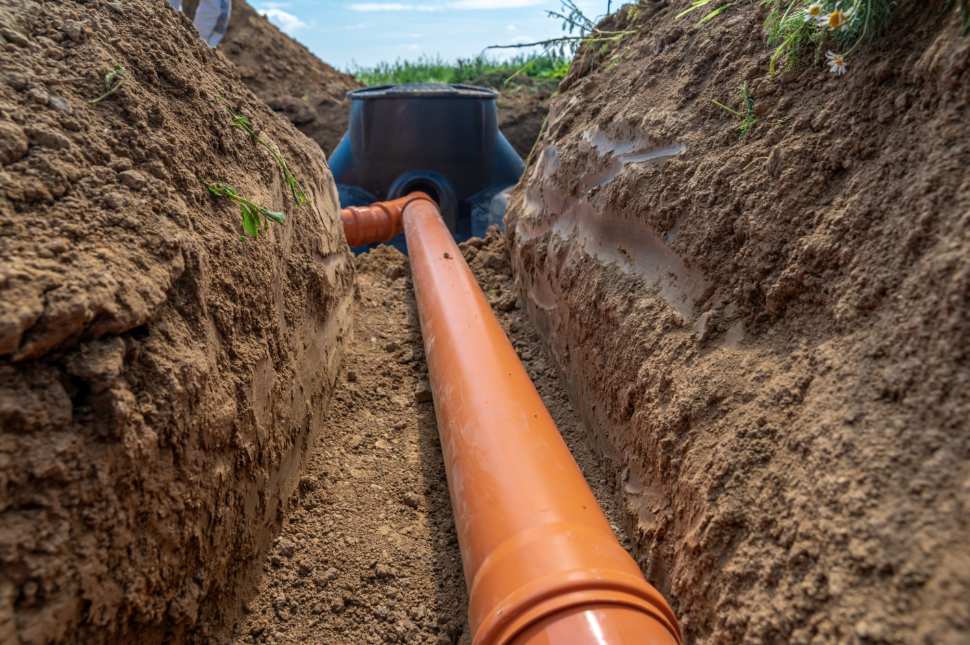
Some situations still call for traditional excavation, particularly severe collapses, major misalignment, or sections of pipe that are too deep or too bent for trenchless equipment to reach effectively. Excavation means digging a trench along the damaged section, replacing the pipe directly, and then restoring the yard or hardscaping afterward.
This method takes longer and disturbs more of the property, but it remains the most reliable option when the damage is extensive enough that lining or bursting cannot fully address it. A good plumber will only recommend excavation when it is genuinely the better option, not simply the default.
Restoration after excavation is worth discussing upfront, since landscaping, sod, or driveway sections may need to be replaced once the pipe work is finished. Confirming who handles that restoration, and whether it is included in the quote, avoids confusion once the project wraps up.
What to expect when you call a plumber for the job
Knowing what the process actually looks like makes the whole experience less stressful, especially if this is the first time you are dealing with a sewer line issue. The steps below cover what should happen from the first call through the finished repair.
None of this should feel rushed or vague. A plumber who explains each step clearly is generally the one worth trusting with a project this involved.
How the inspection and diagnosis process works
The process typically starts with a phone conversation about your symptoms, followed by an in-person visit to run the camera inspection described earlier. From there, the plumber should walk you through exactly what the camera found, using the actual footage rather than a vague description.
A multiple-drain backup happening right now is different from a slow-building issue you have been monitoring for weeks. An active backup affecting several fixtures at once is an emergency plumbing situation and should be treated with the urgency that comes with it, rather than scheduled out like a routine inspection.
Once the diagnosis is clear, the plumber should explain the repair options that actually apply to your situation, not a generic list of every method that exists. The goal is a plan that matches the specific damage found on camera.
Questions worth asking before choosing a repair method
A few direct questions help you evaluate whether a recommended repair method actually makes sense for your situation. Plumbers who answer clearly and without hesitation are generally the ones worth hiring for a project this involved.
- Can you show me the camera footage and explain exactly what you found?
- Why does this repair method make more sense than the alternatives for my situation?
- What does the quote include, and does it cover any yard or landscaping restoration?
- How long will the repair take, and will I have sewer service during the work?
- What warranty covers the repaired or replaced section of pipe?
Write down the answers and compare them if you are getting more than one opinion. A plumber who cannot explain the reasoning behind a recommended method is worth a second look before you commit.
Why licensed, experienced technicians matter for sewer work
Sewer line repair involves permits, code requirements, and connection points that have to be done correctly the first time. A mistake here does not just mean a redo, it can mean sewage backing up into the house or a repair that fails again within a year or two.
Licensed, experienced technicians understand local permitting requirements, proper pipe grading, and how to verify a repair holds before calling the job finished. That experience is what separates a repair that lasts decades from one that causes the same problem again shortly after.
Technicians who handle residential plumbing across the metro see the same patterns repeat across similar homes and neighborhoods, which helps them recognize a problem quickly instead of treating every job as a first-time guess. That pattern recognition matters on a project where getting it right the first time saves real money.
Conclusion
Sewer line repair in Prairie Village usually traces back to a handful of familiar causes: mature tree roots, aging clay or cast iron pipe, and decades of soil movement working against an older installation. None of that means every sewer problem requires a major project, but it does mean the signs are worth taking seriously the first time they show up.
Catching the problem early, through a camera inspection rather than a guess, is what keeps a repair manageable instead of turning into an emergency. Whether the right fix ends up being trenchless lining, pipe bursting, or traditional excavation depends entirely on what that inspection actually finds.
If you are noticing any of the warning signs covered here, a clear diagnosis from a licensed plumber is the right next step. Benjamin Franklin Plumbing of Kansas City can run a full camera inspection of your Prairie Village home's sewer line and walk you through exactly what is going on and what it will take to fix it.

 Your Privacy Choices