
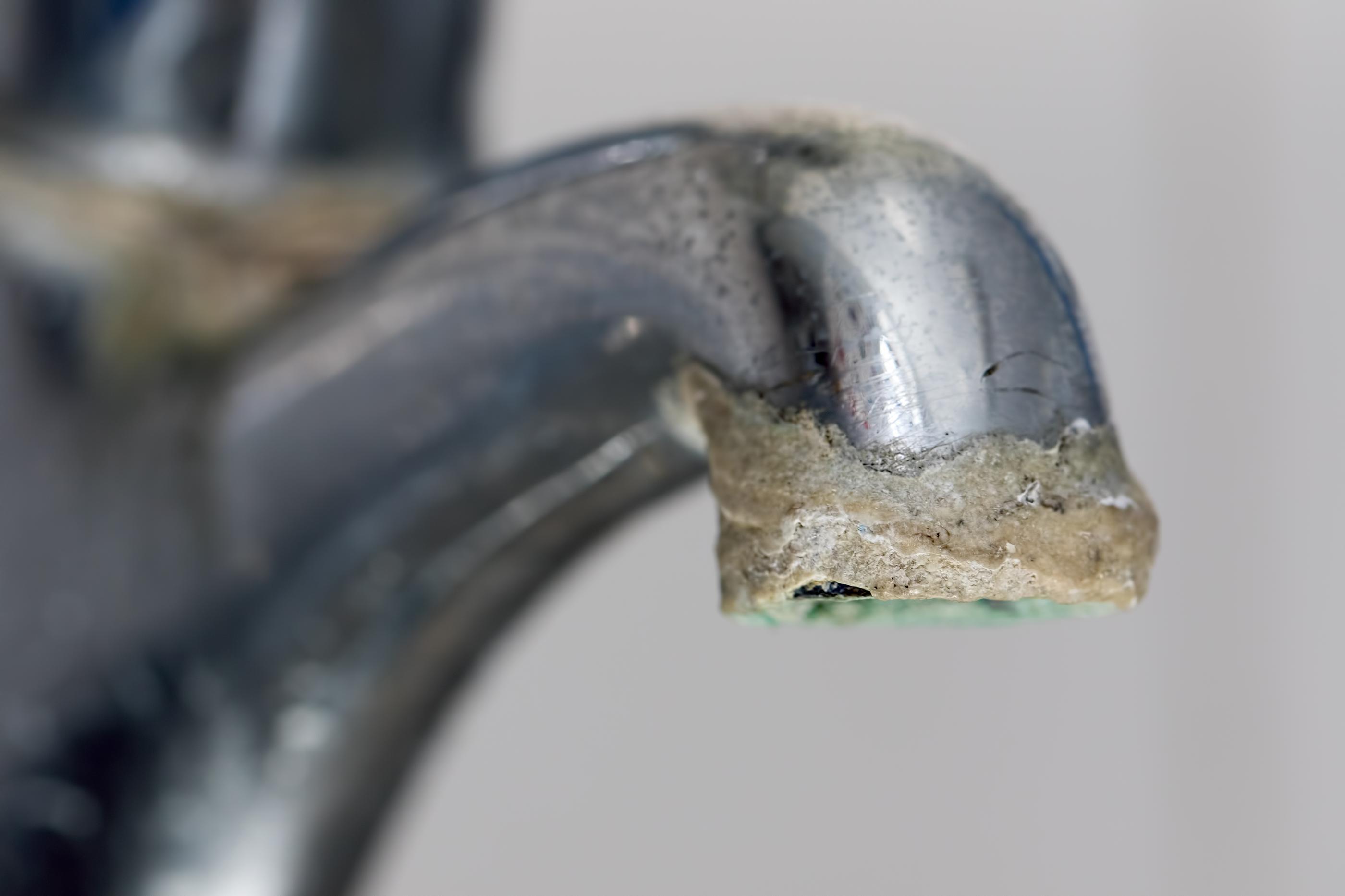
Hard water affects many homes throughout the Kansas City area, and it can create more problems than most homeowners realize. Water hardness refers to the concentration of dissolved minerals, primarily calcium and magnesium, in the water supply. The higher the concentration of these minerals, the harder the water. Over time, hard water can cause mineral scale buildup inside plumbing systems and appliances. Recognizing the signs early helps you take steps to protect your home and extend the life of your plumbing.
Water Has a Noticeable Mineral Taste
The quality of your drinking water is always important. Hard water is generally safe to drink because calcium and magnesium are naturally occurring minerals. However, high mineral levels can give water a slightly chalky or metallic taste that some people find unpleasant.
If your water has a strong chemical smell, rotten egg odor, or unusual discoloration, that may indicate other issues, such as sulfur bacteria or contaminants, that require professional testing.
Dry Hair and Itchy Skin After Showering
Hard water doesn’t directly “strip” natural oils from your skin, but it reacts with soap to form residue that can remain behind after rinsing. This residue can leave skin feeling dry, irritated, or itchy and may make hair feel dull or difficult to manage. These effects can be more noticeable for people with sensitive skin conditions.
Because hard water makes it harder for soap to lather and rinse cleanly, you may also notice a greasy or filmy feeling after bathing. This is often soap residue combining with mineral content in the water.
Soap Scum and Water Spots on Dishes and Glassware
One of the most visible signs of hard water is soap scum buildup. Minerals react with soap to form a film that can cling to shower doors, sinks, and tile.
Dishes and glassware may come out of the dishwasher looking cloudy or spotted. White spots are typically mineral deposits left behind after water evaporates. While light spotting may wipe away, heavier scale often requires scrubbing or acidic cleaners such as vinegar to dissolve calcium buildup.
Mineral Deposits on Plumbing Fixtures
Hard water commonly leaves behind a white, chalky crust around faucets and showerheads. This substance, often called limescale, is largely made up of calcium carbonate. Over time, scale can clog aerators and showerheads, reducing water flow and affecting performance.
Clothing Looks Dingy or Feels Rough
Because hard water interferes with detergent performance, clothes may not rinse as thoroughly. Minerals can remain trapped in fabrics, making clothing feel stiff or rough and appear dull over time.
Using more detergent isn’t always the best solution and can actually increase residue. In areas with very hard water, fabrics may wear out faster due to mineral buildup in fibers.
How Hard Water Affects Plumbing and Appliances
While surface buildup is inconvenient, the hidden effects inside plumbing systems can be more costly. Limescale can accumulate inside pipes, gradually reducing the interior diameter. This restricts water flow and may lower water pressure throughout the home.
Appliances such as dishwashers, washing machines, coffee makers, and refrigerator ice makers are also vulnerable. Scale buildup can reduce efficiency and strain components, potentially shortening their lifespan.
Water Heater Problems
Hard water is especially tough on water heaters. In traditional tank water heaters, minerals settle and form sediment at the bottom of the tank when water is heated. This sediment layer reduces heating efficiency, increases energy use, and can contribute to overheating of the tank bottom.
Regular flushing helps remove sediment and maintain performance. Without maintenance, excess buildup may increase wear on the tank and heating elements.
Tankless water heaters are also susceptible to scale buildup on internal components and heat exchangers. Over time, this buildup can reduce efficiency and restrict water flow. Periodic descaling is often recommended in hard water areas.
How to Address Hard Water
One of the most effective solutions for hard water is installing a water softener. Traditional water softeners use an ion-exchange process to remove calcium and magnesium from the water. Inside the softener tank are resin beads coated with sodium (or sometimes potassium). As hard water passes through, calcium and magnesium ions attach to the resin beads and are exchanged for sodium or potassium ions. The system periodically regenerates using a brine solution to recharge the resin.
Salt-free systems, often called water conditioners, do not remove minerals. Instead, they alter the structure of the minerals to reduce their ability to form hard scale. While they can help minimize buildup, they typically do not provide the same level of softening benefits as traditional ion-exchange systems.
If you’re noticing signs of hard water in your Kansas City home, professional testing can confirm your water’s hardness level and help determine the best solution.
Our licensed plumbers install traditional water softeners and water conditioning systems tailored to local water conditions. We also provide water heater maintenance, pipe repair, and full plumbing services throughout Kansas City and the surrounding communities.
Contact Benjamin Franklin Plumbing® in Kansas City today to schedule a water quality assessment or learn more about protecting your plumbing from hard water damage.

 Your Privacy Choices