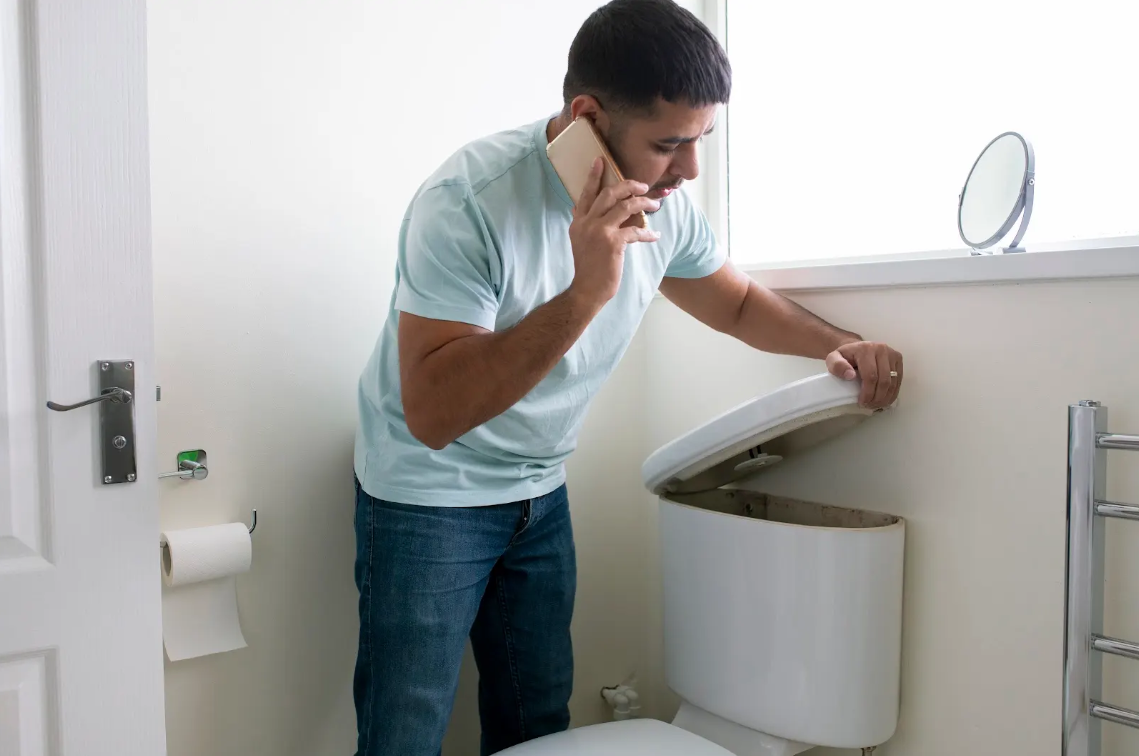
A toilet that suddenly starts banging, hissing, gurgling, vibrating, or making a foghorn-like sound is worth paying attention to. Some noises come from relatively simple tank components, while others may point to pressure, drainage, or piping problems elsewhere in the plumbing system.
The type of sound and when it occurs can offer useful clues. Benjamin Franklin Plumbing® of Nashville can inspect the toilet and surrounding plumbing to determine what is causing the noise and recommend the appropriate repair.
What Kind of Noise Does the Toilet Make?
Start by paying attention to the sound itself. A loud bang after flushing may be related to water hammer or movement in the pipes. Hissing, humming, or squealing during the refill cycle often points to a fill valve or another component inside the tank.
Gurgling can indicate a problem on the drain side of the toilet, such as a partial blockage or venting issue. Rattling or vibration may involve loose piping, water pressure, or worn toilet components.
Timing matters too. A hiss while the tank refills suggests a different problem than a gurgle after the bowl clears or a bang when the water shuts off.
A Worn Fill Valve Can Cause Hissing or Foghorn Sounds
The fill valve controls the flow of water into the toilet tank after each flush. As the valve ages, internal components can wear or begin vibrating as water passes through them. This may create hissing, humming, squealing, or foghorn-like noises during the refill cycle.
A worn fill valve can also contribute to a toilet that refills slowly or continues making noise longer than expected. Professional toilet repair can determine whether the valve needs adjustment or replacement or whether another tank component is responsible.
High Water Pressure Can Make Plumbing Noisy
Excessive water pressure can contribute to noise throughout a home's plumbing system. You may notice humming, vibration, or banging when the toilet refills or when other fixtures and appliances use water.
High pressure can also place additional stress on valves, supply lines, fittings, and other plumbing components. If several fixtures seem unusually noisy or you have other reasons to suspect a pressure problem, a plumber can measure the home's water pressure and determine whether it needs attention.
Do not assume that stronger water flow is always better. Plumbing equipment is designed to operate within an appropriate pressure range.
Water Hammer Can Cause a Loud Bang After Flushing
Water hammer occurs when moving water changes direction or stops abruptly, creating a pressure wave inside the piping. The result may be a noticeable bang or thud after a toilet finishes filling or when another fast-closing valve shuts off.
An occasional plumbing noise does not always mean you have a serious problem. However, repeated or forceful banging deserves an inspection, particularly if you can feel the pipes moving or the sound has become more noticeable over time.
A plumber can evaluate water pressure, pipe supports, valves, and other parts of the system to determine what is causing the noise.
Loose Pipes May Rattle Inside Walls or Floors
Pipes that are not adequately supported can move when water flows through them. This movement may produce knocking, rattling, or vibration behind a wall, below a floor, or near the bathroom.
The sound may be most noticeable immediately after flushing because the toilet's supply line opens to refill the tank. If the noise seems to come from the wall rather than the toilet itself, the surrounding piping may need to be inspected.
Do not open walls based on the sound alone. A plumber can first narrow down the likely source and determine whether pipe movement or another issue is responsible.
Gurgling May Point to a Drain or Venting Issue
Gurgling is different from the noises created by the toilet tank. It often comes from the drainage system as air and wastewater move through the pipes.
A partial drain blockage or venting problem can sometimes cause a toilet or nearby fixture to gurgle. You may also notice slow drainage, changes in the toilet bowl water level, or gurgling from another drain when the toilet is flushed.
Benjamin Franklin Plumbing® offers clogged drain services when the problem involves drainage rather than the toilet's internal components. If multiple fixtures are affected, the issue may be farther down the plumbing system.
Toilet Tank Parts May Be Loose, Worn, or Misaligned
A toilet tank contains several components that work together each time you flush. The fill valve, flapper, flush valve, chain, and float can all develop problems as they wear.
For example, a worn flapper may allow water to leak from the tank into the bowl, causing the toilet to refill periodically. A chain that is too short or improperly positioned can interfere with the flapper closing completely. Other worn components may cause vibration, prolonged refilling, or unusual noises.
If the toilet continues running or making noise after it should have finished refilling, having the tank components checked can help identify the problem.
When a Loud Toilet Is More Than an Annoyance
Some toilet noises deserve faster attention than others. Contact a plumber if the toilet suddenly becomes much louder, runs continuously, or makes persistent banging, hissing, or gurgling sounds.
Other warning signs include:
- Water pooling around the toilet
- Sewer odors
- Gurgling from nearby drains
- Repeated drain backups
- Significant changes in water pressure
- Plumbing noises affecting several fixtures
If the symptoms extend beyond the toilet, you may need a broader plumbing repair rather than a simple fixture adjustment.
You should also mention any recent plumbing or remodeling work when scheduling service. Knowing when the noise started and whether anything changed beforehand can help the plumber narrow down the cause.
How a Plumber Can Diagnose a Noisy Toilet
A loud toilet can have several causes that sound similar from outside the tank. A plumber can inspect the toilet's internal parts, supply line, shutoff valve, surrounding pipes, water pressure, and drainage based on the symptoms you describe.
If the issue is isolated to the toilet, the repair may involve replacing or adjusting a worn component. If the sound comes from elsewhere in the plumbing system, additional inspection may be needed to identify a pressure, piping, or drainage problem.
Schedule Toilet Repair in Nashville, TN
A noisy toilet may need something as straightforward as a tank-component repair, or it may be the first sign of a pressure, pipe, drain, or venting issue. If the sound keeps returning or is getting worse, a professional inspection can help you find the cause.
Benjamin Franklin Plumbing® of Nashville serves homeowners throughout Nashville and nearby Middle Tennessee communities.
Contact Benjamin Franklin Plumbing® today to schedule toilet repair or plumbing service in the Nashville area.

 Your Privacy Choices