
Nashville's mild fall weather can make it easy to forget that freezing temperatures are just around the corner. A sudden cold snap can catch you off guard, leading to frozen pipes. By taking a proactive approach, you can avoid the stress and expense of emergency plumbing repairs during colder weather. These winter plumbing tips will help safeguard your home and help you avoid headaches.
Why Tennessee Winters Can Be Tough on Your Plumbing
Tennessee winters are milder than those in northern states, but rapid temperature drops or prolonged frigid weather can pose a threat to your plumbing. When water freezes inside a pipe, it expands, creating immense pressure that can cause the pipe to crack or burst.
Certain areas of your home are more vulnerable than others. Plumbing in unheated spaces like crawl spaces, garages, attics, and along exterior walls is most at risk. Outdoor faucets are also a common point of failure. Older Nashville homes, including properties in historic neighborhoods like East Nashville and Sylvan Park, often have exposed plumbing or insulation gaps that require extra attention.
Insulate Exposed Pipes Before Temperatures Drop
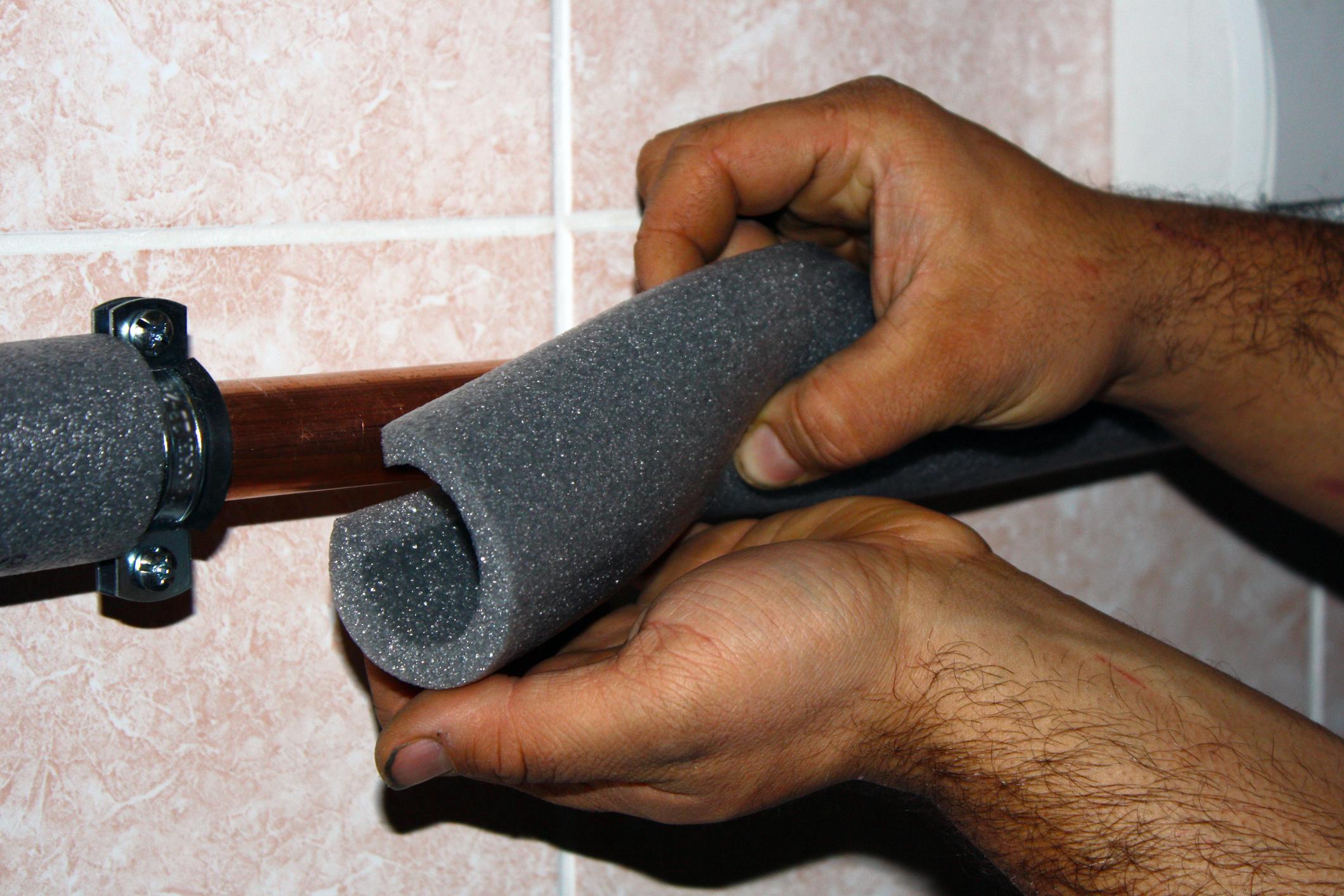
One of the most effective ways to protect pipes from freezing is to insulate them. Foam pipe insulation sleeves are inexpensive and easy to install around accessible water lines. This insulation slows heat loss from the water inside the pipes, offering a barrier against the cold air.
Before the first freeze, inspect your home for exposed pipes. Pay close attention to your basement, crawl space, garage, and other unheated spaces. Insulating plumbing in these areas is a small time investment that can reduce the risk of frozen pipes in Nashville.
Check Pipes in Crawl Spaces
Crawl spaces deserve special attention when you winterize pipes in Tennessee. These areas are often poorly sealed and unheated, making the plumbing within them highly susceptible to freezing. A quick inspection can reveal potential problems that need to be addressed.
Feel for drafts from vents or foundation cracks. Check that existing insulation is intact and not damaged by moisture or pests. Most importantly, identify any exposed water supply lines and ensure they are properly insulated. If you have concerns about the plumbing in your crawl spaces, it's best to consult a professional.
Disconnect Garden Hoses and Protect Outdoor Faucets
A connected garden hose is a common cause of frozen pipe damage. Water trapped inside the hose and faucet can freeze, expand, and break the fixture or the attached pipe inside your wall.
Before the first hard frost, disconnect all garden hoses from your outdoor faucets and drain them completely before storing them for the winter. You can also install insulated covers on the faucets for another layer of protection.
Keep Your Home Warm During Tennessee Cold Snaps
Maintaining a consistent indoor temperature is important to protect your plumbing system. The warmth from your house radiates into the walls, helping to keep the pipes within from freezing. During the colder months, avoid turning the thermostat down too low, especially at night or when you are away.
For pipes under sinks, like in kitchens and bathrooms, open the cabinet doors to allow warm air to circulate around the plumbing. Also, keep your garage door closed as much as possible to protect any water lines running through it.
Should You Let Faucets Drip During Freezing Weather?
You may have heard the advice to let faucets drip during extreme cold. This can be an effective temporary measure to avoid burst pipes. A small, steady drip keeps water moving through your plumbing, which can prevent it from freezing.
Homeowners may use this method when a cold snap is forecast or their utility company recommends it during prolonged cold weather. While this is a helpful step, Nashville Metro Water Services advises that adequate heat and insulating your plumbing are the best long-term defense against frozen pipes.
Prepare Your Plumbing Before Leaving for Winter Vacation
If you travel for the holidays, it's important to prepare your plumbing before you leave. A burst pipe can cause extensive water damage if it goes undiscovered for days. Set your thermostat to at least 55°F to keep your home warm enough to protect pipes.
It's also a good idea to ask a trusted neighbor or friend to check on your home periodically. Before you leave, locate your main water shut-off valve and learn how to operate it. If you're leaving for an extended period, consider shutting off the water and draining the pipes as an extra precaution.
What Should You Do If Your Pipes Freeze?
Even with preparation, pipes can sometimes freeze. The first sign is often reduced water flow or no water at all from a faucet. You might also see frost on an exposed pipe. If you suspect you have frozen pipes, try to thaw them safely by applying gentle heat with a hairdryer or heating pad.
Never use any open flame to thaw a pipe, as this creates a fire hazard and can damage it. If a pipe has already burst, you see a leak, or you suspect the frozen section is inside a wall, shut off the main water supply to your home. Then call a professional for emergency pipe repair.
Get Your Nashville Plumbing Ready for Winter
A little preparation goes a long way in preventing plumbing disasters during Tennessee winters. Insulating pipes, protecting outdoor faucets, and keeping your home warm can significantly reduce the risk of a burst pipe.
If you have concerns about exposed pipes, need help winterizing your plumbing, or are dealing with recurring freezing problems, our team at Benjamin Franklin Plumbing® is here to help homeowners throughout the Nashville area.
Contact us today for professional plumbing services or pipe repairs in Nashville, TN.

 Your Privacy Choices