Mold growth in homes is often tied to excess moisture and in many cases, that moisture starts with plumbing problems. Leaky pipes, hidden drips, and poor drainage can all create the damp conditions mold needs to grow. Understanding how mold develops and where it tends to appear can help you catch plumbing issues early and prevent more serious damage.
At Benjamin Franklin Plumbing® in Nashville, TN, we focus on identifying and resolving the moisture sources that can contribute to mold growth. By addressing plumbing concerns quickly, you can reduce the risk of long-term issues inside your home.
The Connection Between Plumbing and Mold
Mold is a type of fungus that thrives in damp, humid environments. While mold spores are naturally present in the air, they only grow when they land on a moist surface. Plumbing issues such as slow leaks, pipe condensation, or drainage problems can provide the consistent moisture mold needs to spread.
Common plumbing-related causes of mold include:
- Leaking pipes under sinks or behind walls
- Dripping fixtures that go unnoticed
- Condensation forming on cold water lines
- Clogged or slow drains causing standing water
- Poor ventilation around plumbing fixtures
Because many of these issues develop out of sight, mold can grow for long periods before it becomes noticeable.
What Are the Signs of Moisture and Mold Problems?
Even if mold itself isn’t visible, signs of excess moisture often appear first. Recognizing these warning signs can help you address plumbing issues before mold spreads.
Musty or Damp Odors
A persistent musty smell is often one of the earliest indicators of hidden moisture. This can point to a slow plumbing leak behind walls, under flooring, or inside cabinets.
Water Stains or Discoloration
Yellow, brown, or dark stains on ceilings or walls may signal a leak from pipes or fixtures. These areas can create the perfect environment for mold growth if left untreated.
Peeling Paint or Warped Surfaces
Moisture from plumbing leaks can cause paint to bubble or peel and may warp drywall or wood. These changes often indicate a hidden issue that should be inspected.
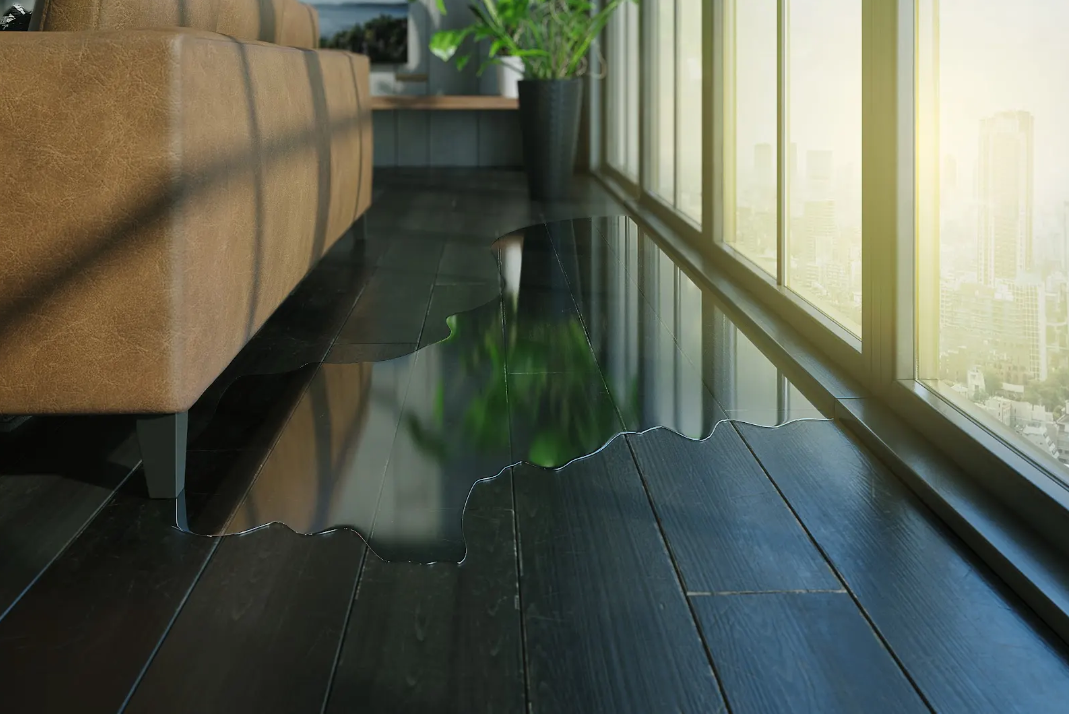
Condensation or Pooling Water
Water collecting around pipes, fixtures, or appliances is a clear sign that something isn’t functioning properly. Addressing the source quickly can help prevent mold from developing.
Maintaining indoor humidity between 30% and 50% can also help reduce the risk of mold growth, especially in areas where plumbing is present.
Where Mold Commonly Develops From Plumbing Issues
Mold linked to plumbing problems often appears in areas where moisture is present but not always visible. Bathrooms are a common trouble spot, especially around tubs, showers, and behind toilets.
Kitchens are another high-risk area due to frequent water use. Check under sinks, around dishwashers, and behind refrigerators with water lines. Even a small leak can create enough moisture for mold to grow.
Basements and crawl spaces are also vulnerable, particularly if there are sump pump issues, foundation leaks, or exposed pipes. These areas often have higher humidity levels, which can accelerate mold growth.
In some cases, plumbing-related moisture can affect nearby systems like ductwork or insulation, allowing mold to spread beyond the original source.
How to Prevent Mold by Addressing Plumbing Issues
The most effective way to prevent mold is to eliminate the moisture causing it. That starts with identifying and repairing plumbing issues as soon as possible.
Preventive steps include:
- Fixing leaks as soon as they are detected
- Inspecting pipes regularly for condensation or corrosion
- Ensuring proper drainage around sinks and appliances
- Improving ventilation in kitchens and bathrooms
- Monitoring water usage for unexpected increases
While small surface mold may be manageable, larger or hidden growth should be handled by a professional. Addressing the moisture source is critical to preventing it from returning.
Protect Your Home With Professional Plumbing Support
If you notice signs of moisture or suspect a hidden leak, it’s important to act quickly. At Benjamin Franklin Plumbing® in Nashville, TN, we help homeowners identify and repair plumbing issues that can lead to mold growth.
From leak detection to pipe repair and drainage solutions, our team works to eliminate the conditions that allow mold to develop. Contact us today to schedule an inspection and protect your home from moisture-related damage.

 Your Privacy Choices