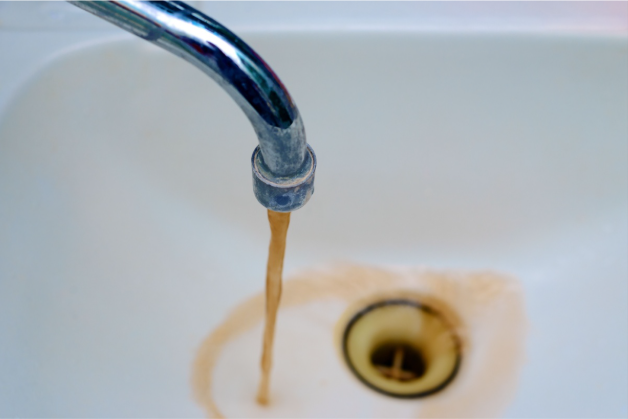
Water flows through your home every day, touching nearly every part of your plumbing system. You drink it, cook with it, shower in it, and rely on it to keep your household running smoothly. When water quality is poor, it does more than affect taste and smell. It can slowly damage your pipes, fixtures, and drains, leading to frustrating plumbing problems that seem to come out of nowhere.
Many homeowners are surprised to learn how closely water quality and plumbing health are connected. Understanding these issues can help you prevent damage, protect your investment, and keep your home running comfortably.
How Poor Water Quality Affects Plumbing Systems
Water that contains high levels of minerals, sediment, or contaminants can be tough on plumbing. Over time, these elements cling to the inside of pipes and fixtures. This buildup narrows passageways, restricts flow, and creates rough surfaces where debris can collect.
Hard water is a common example. The minerals in hard water leave scale behind as water moves through the system. That scale does not rinse away easily and continues to grow with every use. Eventually, it affects pressure, efficiency, and the lifespan of your plumbing.
Pipe Damage and Internal Buildup
One of the first places where poor water quality causes problems is inside the pipes. Mineral deposits form along pipe walls and reduce the space available for water to flow. As buildup increases, pressure inside the system can rise and stress joints and connections.
This often leads to leaks or weakened pipe sections that require professional plumbing repairs. In older systems, the damage can be widespread, making repiping a more practical solution than repeated fixes.
Frequent Clogs and Slow Drains
Poor water quality often contributes to recurring drain problems. Minerals, sediment, and debris combine with soap and grease to create stubborn buildup inside drain lines. This makes drains slower and more likely to clog.
Routine drain cleaning helps remove this buildup before it causes blockages. In more severe cases, hydro jetting may be recommended. This powerful cleaning method uses high-pressure water to clear pipe walls and restore proper flow without damaging the system.
Fixture Problems and Faucet Wear
Minerals in water do not just affect pipes. They also take a toll on fixtures. Faucets often show the earliest signs of trouble, including reduced flow, uneven spray, and mineral crust around the spout.
Over time, internal components wear down faster, leading to drips and leaks. Faucet repair becomes necessary to restore proper function and prevent wasted water. Addressing these issues early helps avoid more extensive fixture replacement later.
Reduced Water Pressure Throughout the Home
Poor water quality can significantly impact water pressure. As scale builds inside pipes and fixtures, it restricts flow and causes noticeable drops in pressure at sinks, showers, and appliances.
Low pressure is more than an inconvenience. It places additional strain on plumbing components and can shorten their lifespan. Professional evaluation helps determine if the issue can be resolved through cleaning or if deeper solutions like repiping are needed.
Water Line Problems Linked to Contaminants
The water line that brings water into your home is not immune to quality issues. Sediment and mineral buildup can affect this critical connection, reducing flow and creating pressure inconsistencies.
When these problems occur, water line services may be needed to repair or replace damaged sections. Keeping the water line in good condition supports the entire plumbing system and helps maintain consistent performance throughout the home.
Appliance Strain and Early Failure
Poor water quality does not stop at pipes and fixtures. Appliances that rely on water also feel the effects. Water heaters, dishwashers, washing machines, and coffee makers can suffer from internal scale buildup.
This buildup reduces efficiency and forces appliances to work harder. Over time, it shortens their lifespan and leads to more frequent repairs or replacement. Improving water quality helps protect these costly investments.
Why Water Treatment Matters
Addressing the source of the problem is often the most effective solution. Water treatment services help reduce mineral content, sediment, and other contaminants before they can damage your plumbing.
By improving water quality at the point of entry, these systems protect pipes, fixtures, and appliances throughout the home. Many homeowners notice improvements in taste, clarity, and overall plumbing performance after treatment is installed.
When Repiping Becomes the Best Option
In homes with long-standing water quality issues, pipes may be too damaged for cleaning alone to help. Heavy scaling, corrosion, or repeated leaks can make repiping the most reliable solution.
Replacing old pipes removes built-up damage and creates a fresh start for the plumbing system. Combined with improved water quality, repiping reduces future problems and lowers ongoing maintenance needs.
The Importance of Professional Assessment
Water quality-related plumbing issues often develop slowly, making them easy to overlook. A professional inspection helps identify early signs of damage and determine the best course of action.
Experienced plumbers can recommend targeted plumbing repairs, cleaning services, or system upgrades based on the condition of your plumbing and the quality of your water. This approach helps avoid unnecessary work while addressing real concerns.
Take Control of Water Quality and Plumbing Health
Poor water quality affects more than taste and appearance. It quietly damages pipes, clogs drains, wears down fixtures, and strains appliances. Addressing these issues early protects your home and saves money over time.
The team at Benjamin Franklin Plumbing® of Levittown offers complete solutions to meet your plumbing needs. Our licensed plumbers are ready to help improve your water quality and keep your plumbing system working the way it should. Schedule service today and take the first step toward cleaner water and a healthier home!

 Your Privacy Choices