Even in Lafayette, where winters are typically mild, sudden cold snaps can put your plumbing at risk. When temperatures dip below freezing, unprotected pipes can burst and cause major water damage. Taking care of outdoor faucets, interior shut-offs, and exposed lines now can save you from emergency calls and costly repairs later. At Benjamin Franklin Plumbing®, in Lafayette, LA, we guide homeowners through every step of protecting their plumbing system so they can face winter weather with confidence rather than costly surprises.
Turn Off and Drain Exterior Lines
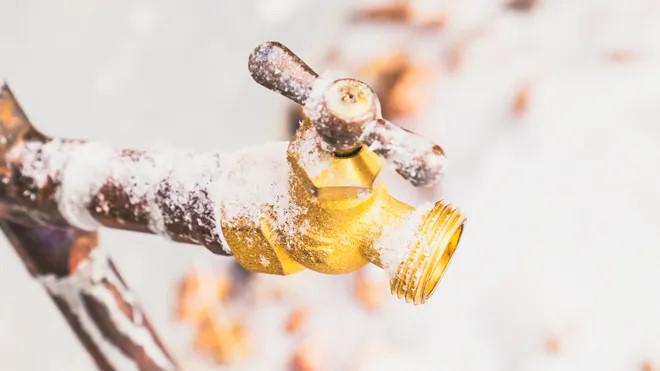
Exterior spigots and irrigation valves can trap water in runs that sit outside or just inside unheated walls. When that water freezes, it expands and can split pipes or crack fittings. Start by locating each indoor shut-off valve feeding an outdoor tap or irrigation zone. Close the valve fully, then open the matching faucet outside until only air escapes. If your system includes an automatic sprinkler controller, set it to off, then drain zones per the manufacturer’s instructions. A plumber can blow out any remaining water with low-pressure air to ensure lines are clear. Finally, slide insulated hose-bib covers over each spigot. These simple steps keep ice from forming and bursting lines, protecting both your home’s exterior and indoor connections when cold weather arrives.
Inspect and Protect Underground and Exposed Pipes
Water lines under concrete slabs or in crawlspaces can be vulnerable when a cold front settles in. Even a small split beneath a slab can lead to moisture or mold in floors above. During a pre-winter inspection, plumbers can use video inspection scopes to check underground plumbing for corrosion or leaks. They’ll install foam insulation sleeves on accessible runs and add protection to any exposed pipes near exterior walls or in unheated areas to help prevent freezing. If leak detection reveals a problem under the slab, our plumbers can pinpoint the exact location through minimally invasive methods, avoiding costly jackhammer work until repairs are ready. Addressing potential trouble spots now prevents foundation damage, preserves indoor air quality, and avoids emergency calls when you notice unexpected moisture.
Service Sump Pumps, Crawlspaces, and Floor Drains
While Lafayette homes typically don’t have basements, low-lying areas and crawlspaces can still collect water during heavy winter rains. A properly functioning sump pump or drainage system keeps that water away from your foundation and belongings. Before cold weather, have plumbers test your sump pump by pouring water into the pit to confirm activation and verify the float switch works smoothly. They’ll also clear debris from discharge lines so water flows freely away from your home. If you rely on a battery backup system, our plumbers can test battery health and replace cells older than two years. Floor drains and laundry trays should be checked to ensure water remains in the traps to block sewer gas odors. These preventive steps help keep your lower level or crawlspace dry and safe through the rainy winter season.
Guard Your Garbage Disposal and Main Drain Lines
Holiday cooking season often coincides with colder temperatures, putting extra stress on your disposal just as plumbing systems face seasonal demand. Leftover grease and food scraps can solidify in pipes, forming blockages. Schedule a professional drain cleaning before winter to clear built-up solids and grease. Our plumbers can also camera-scope your main sewer line to check for root intrusion or early corrosion. Installing a reliable check valve on the main sewer line prevents municipal overflows from backing up into tubs or toilets during heavy rains. That extra barrier keeps wastewater out of your home when local sewers experience surges. Combined with regular maintenance, these services reduce the chance of a holiday-season plumbing disaster.
Insulate Vulnerable Interior Pipes
Pipes in crawlspaces, attics, and garages often sit near or below freezing when temperatures drop. Wrapping those lines in foam insulation sleeves adds a first layer of defense. For critical supply lines, professionals can install thermostat-controlled heat tapes if needed to prevent freezing during rare extended cold snaps. That targeted protection uses minimal energy and gives you peace of mind that your plumbing will hold up during unexpected freezes. A thorough assessment identifies each zone that risks exposure so your plumbing stays intact and ready to deliver water on the coldest mornings Lafayette might see.
Check Water Heaters and Gas Connections
Your water heater works harder in winter, heating colder groundwater before it enters showers and appliances. A fall maintenance check includes flushing sediment from the tank, testing the pressure-relief valve, and inspecting gas-flex connectors for tight seals. If your heater sits in an unheated space like a garage, plumbers recommend fitting an insulating jacket to reduce heat loss and prevent condensation on nearby pipes and surfaces. They’ll also examine combustion vents or draft hoods, adding rain caps to prevent water intrusion. These measures keep your water heater running efficiently, extend its lifespan, and ensure reliable hot water when you need it most.
Seal Air Leaks Around Plumbing Penetrations
Air drafts through gaps around plumbing penetrations can chill nearby pipes, raising freeze risk. During winter prep, plumbers inspect all wall and floor openings, around sinks, showers, and utility penetrations, and seal gaps with fire-rated caulk or moisture-resistant foam. Sealing these openings tightens your home’s envelope, keeping conditioned air inside and preventing cold air from reaching pipes. This simple step reduces energy bills and minimizes the risk of freeze-related damage.
Identify and Label All Shut-Off Valves
In a plumbing emergency, time counts. Locating the correct valve quickly can stop flooding in seconds. Winter prep includes mapping every shut-off in your home, from individual sinks and toilets to appliance feeds and the main supply. Tag each valve with a brightly colored label that can withstand humidity and temperature changes, and post a simple diagram on your utility wall. During your professional winter inspection, a plumber can test each valve’s operation and replace any that stick or leak, ensuring you can shut off water immediately if a pipe bursts or a fitting fails.
Develop an Emergency Shut-Off and Response Plan
If a pipe bursts or a fitting fails during a cold snap, knowing what to do first can limit damage dramatically. Work with a professional plumber to identify every main and zone shut-off valve, then practice closing each one with your household before winter sets in. Keep basic tools (a sturdy wrench or valve key) near the valves and label them clearly so family members can act quickly if you’re away. Post emergency instructions in your utility area, including who to call if you need immediate help. Store absorbent towels and a small wet vacuum or mop nearby so you can contain leaks until a plumber arrives. For frozen pipe or burst emergencies, have the plumber’s 24-hour hotline on speed dial.
Plan for Annual Professional Plumbing Inspections
Winter preparations aren’t just a one-time task. Enrolling in a maintenance plan ensures you receive a plumbing tune-up each year. A licensed plumber can test flood sensors, verify backflow preventers, exercise shut-off valves, and inspect sewer lines to catch early signs of damage. Scheduling your plumbing inspection in the fall helps you stay ahead of seasonal changes, avoid emergency rates, and ensure your pipes, drains, and fixtures perform reliably when temperatures drop.
Ready for Cold-Weather Plumbing Protection?
Besides helping you prepare for winter weather, the team at Benjamin Franklin Plumbing® in Lafayette handles leak detection, emergency repairs, and pipe upgrades to keep your home’s system strong year-round. When you want a plumbing team you can trust in any season, call Benjamin Franklin Plumbing® today to schedule your cold-weather plumbing service.

 Your Privacy Choices