
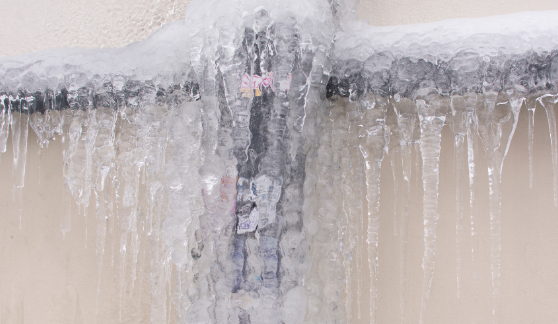
Michigan winters have a way of keeping Brighton homeowners on their toes. One day, temperatures are manageable, and the next, an Arctic blast can send the thermometer plunging well below freezing. While a snowy yard and a warm house can make winter feel cozy, there is one part of the home that may be having a much less enjoyable experience: the plumbing.
Frozen pipes are one of the most stressful winter plumbing problems a Brighton homeowner can face. A frozen water pipe can leave you without running water, create pressure inside the plumbing system, and potentially lead to a burst pipe. Unfortunately, the problem does not always end when the ice melts. In many cases, damage caused by freezing only becomes visible after the pipe begins to thaw and water starts escaping through a crack that was hidden beneath the ice.
That is why knowing what to do before, during, and after a freeze is so important. Whether you are dealing with your first winter in a Brighton home or have spent years listening to the furnace run while temperatures drop outside, understanding the warning signs of frozen pipes can help you react quickly and potentially avoid significant water damage.
If you are searching for information about frozen pipes in Brighton, this guide will walk you through what causes pipes to freeze, what temperature creates a risk, how to tell if a pipe is frozen, what you should and should not do, when to shut off your water, and when it is time to call a professional for frozen pipe repair or emergency plumbing service.
What Temperature Causes Plumbing Pipes to Freeze?
The simple answer is 32 degrees Fahrenheit, because that is the temperature at which water freezes. However, plumbing pipes do not instantly freeze the moment the outdoor temperature reaches 32 degrees.
Several factors affect how quickly a pipe can freeze. A pipe located inside a heated area of a Brighton home may remain safely above freezing even when outdoor temperatures are well below 32 degrees. On the other hand, a pipe located in an unheated basement, crawlspace, attic, garage, exterior wall, or poorly insulated area may be exposed to freezing temperatures much more quickly.
The length of time temperatures remain below freezing also matters. A brief overnight dip below 32 degrees may not create the same risk as several hours or several days of extremely cold weather. Long stretches of subfreezing temperatures allow the cold to penetrate walls, crawlspaces, basements, and other areas where plumbing may be vulnerable.
For Brighton homeowners, the important thing to remember is that your pipes do not care what the weather app says is technically the freezing point. What matters is the temperature surrounding the pipe itself. A pipe inside a heated portion of the home may be perfectly fine while another pipe only a few feet away, located near an exterior wall or in an unheated area, becomes vulnerable.
Why Do Frozen Pipes Become Such a Serious Problem?
A frozen pipe is not automatically a burst pipe, but freezing can create the conditions that lead to one. As water freezes, it expands. If ice forms inside a section of plumbing, it can create a blockage that prevents water from moving normally through the pipe. Pressure can build between the ice blockage and a closed faucet or valve. That pressure can become strong enough to crack or rupture the pipe.
The damage may occur directly at the location of the ice, but it can also occur elsewhere in the plumbing line where pressure has increased. This is one reason why Brighton homeowners should take frozen pipes seriously even if they do not immediately see water leaking.
In fact, one of the most dangerous moments may come later.
A pipe can freeze, crack, and remain relatively quiet while the water inside is still frozen. Once temperatures rise and the ice begins to thaw, water can start flowing through the damaged section. Suddenly, what appeared to be a minor inconvenience can become a burst pipe emergency.
That is why preventing frozen pipes is important, but knowing how to respond after a freeze is just as critical.
How Can I Tell If a Pipe Is Frozen?
Frozen pipes do not always come with a flashing warning light, but there are several signs Brighton homeowners can watch for. One of the most obvious signs is reduced or nonexistent water flow. If you turn on a faucet and only a trickle of water comes out, or no water comes out at all, there may be ice blocking the pipe.
This is especially concerning when other faucets in the home are working normally. For example, if your kitchen sink has normal water pressure but a bathroom faucet on an exterior wall suddenly has little or no water, the problem may be isolated to the plumbing serving that fixture.
Frost on exposed pipes can also be a warning sign. Pipes located in basements, crawlspaces, garages, or other accessible areas may develop visible frost or condensation when they are exposed to extreme cold.
You may also notice unusual odors coming from a drain or faucet. Bulging sections of pipe can be another serious warning sign. If you can see an exposed pipe and notice that it appears swollen, distorted, or cracked, the pipe may already be damaged.
At that point, the goal is no longer simply to thaw the pipe. The goal is to prevent a potentially serious water leak.
What Should I Do If My Pipes Freeze?
The first thing to do is stay calm. A frozen pipe is a serious plumbing issue, but reacting carefully can help prevent the situation from becoming worse.
Start by identifying the affected area. Turn on the faucet connected to the suspected frozen pipe. If little or no water flows, leave the faucet open while you investigate. Opening the faucet can provide an outlet for water and pressure as the ice begins to melt.
If you can safely access the suspected frozen section, carefully inspect the pipe for visible cracks, bulges, leaks, or other damage. If you see a crack or active leak, turn off the water supply to the affected area if possible. If you cannot isolate that section of plumbing, locate the home's main water shutoff valve and be prepared to turn off the water to the house.
This is one of the most important things every homeowner should know before a plumbing emergency occurs. When you are dealing with frozen pipes in Brighton, you do not want to spend valuable time searching for the location of your main shutoff while water is spreading across the basement floor.
Should I Turn Off the Water If a Pipe Freezes?
The answer depends on the condition of the pipe and the circumstances.
If a pipe is frozen but appears intact and there is no evidence of a leak, you may not necessarily need to shut off the entire home's water supply immediately. You may be able to safely thaw the accessible section while keeping the affected faucet open.
However, if you see a crack, bulging pipe, active leak, or any other sign that the pipe may have ruptured, shutting off the water quickly can help prevent additional damage. If you are unsure whether the pipe has already been damaged, shutting off the water can be a reasonable precaution until the plumbing can be inspected.
The important thing is to know where your main shutoff valve is located before an emergency occurs.
In many homes, the main water shutoff may be located near the water meter, where the main water line enters the house, or in a basement, utility room, crawlspace, or other service area. The exact location can vary depending on the home's age and layout.
If you have recently moved into a Brighton home and have never located your main water shutoff, make finding it part of your winter plumbing preparation.
How to Safely Thaw Accessible Frozen Water Pipes
If the frozen section of pipe is accessible and appears undamaged, you may be able to begin warming it carefully. The goal is to gradually raise the temperature around the pipe.
A hair dryer can be used to apply warm air to an accessible pipe. Begin warming near the faucet end of the frozen section and work gradually toward the suspected blockage. A portable heater may also help warm the surrounding area when used safely and according to the manufacturer's instructions.
You can also increase the temperature around plumbing by opening cabinet doors beneath sinks and allowing warmer indoor air to circulate around pipes. This can be particularly helpful for plumbing located along exterior walls.
As the pipe begins to thaw, keep the affected faucet open so melting water and pressure can move through the system.
However, there are several things homeowners should not do.
Never use an open flame to thaw a pipe. Torches, propane heaters, candles, or other direct flames can create a serious fire hazard and may damage the plumbing or surrounding materials. Avoid using equipment that could overheat or damage the pipe. Excessive heat applied too quickly can create additional problems, particularly with certain types of plumbing materials.
If the pipe is located behind a wall, under a floor, inside a ceiling, or in another inaccessible area, do not start tearing into the home unless you are prepared for the possibility of water damage or a plumbing emergency. This is often the point where calling a professional for frozen pipe repair makes more sense.
How Do Plumbers Repair Frozen Pipes?
Professional plumbers approach frozen pipes by first determining where the problem is located and whether the plumbing has already been damaged.
If the pipe is frozen but intact, the goal may be to safely restore water flow without damaging the plumbing system.
If the pipe has cracked or burst, the damaged section may need to be repaired or replaced. The water supply may need to be shut off, and the damaged portion of pipe may be removed and replaced with new material.
The exact repair depends on the type of pipe, location of the damage, accessibility, and overall condition of the plumbing. A plumber may also look beyond the immediate leak.
If one section of plumbing froze, it is worth asking why it happened. Was the pipe poorly insulated? Is a draft entering the area? Was a cabinet closed around plumbing on an exterior wall? Did a heating problem allow the space to become too cold? Is another section of pipe at risk?
The best frozen pipe repair does not simply stop the leak. It should also help identify what can be done to reduce the risk of the same problem happening again.
Can a Frozen Pipe Burst After It Thaws?
Yes, and this is one of the most important things Brighton homeowners need to understand.
A frozen pipe can crack while the water inside it is frozen. The ice can temporarily block water from escaping through the damaged section. Once temperatures rise and the ice melts, water begins flowing through the pipe again. That is when the leak may suddenly become obvious.
This is why you should inspect your plumbing after a major freeze, even if everything seems normal at first.
Check exposed pipes for moisture, dripping water, discoloration, or visible cracks. Look around plumbing fixtures, cabinets, basements, crawlspaces, and utility areas for signs of water.
Pay attention to unusual sounds as water service returns. If you hear dripping, spraying, or rushing water inside a wall, turn off the water supply and contact a professional plumber.
A burst pipe can cause significant damage in a short period of time. The faster the water is shut off, the easier it may be to limit the extent of the damage.
What to Do During a Brighton Freeze
When a significant freeze is happening, focus on keeping vulnerable areas of your home warm. Maintain a consistent indoor temperature, including overnight. Turning the thermostat down dramatically may save a little energy in the short term, but it can create problems if vulnerable plumbing areas become too cold.
Open cabinet doors under sinks when plumbing is located along exterior walls. This allows warmer household air to circulate around the pipes.
If you know that a particular faucet or section of plumbing has been vulnerable to freezing in the past, pay particular attention to that area when temperatures drop. In some situations, allowing a small amount of water to move through a vulnerable fixture may help reduce the chance of water remaining completely still inside the pipe. Homeowners should use their best judgment based on the plumbing configuration and seek professional guidance if they are uncertain.
Pay attention to areas of a Brighton home that are often overlooked. Basements, crawlspaces, garages, attics, utility rooms, and plumbing located behind exterior walls can all become vulnerable during severe cold.
If you leave home for an extended period during winter, do not simply turn the heat off and hope for the best. Maintaining adequate indoor heat is an important part of frozen pipe prevention.
What Should I Do After the Freeze Ends?
Do not assume the danger is over just because the temperature rises above freezing.
The period immediately after a freeze can reveal damage that occurred while pipes were frozen. Begin by checking faucets throughout the home. Look for normal water flow and pressure. If one fixture suddenly has poor water flow while others appear normal, there may still be a blockage or plumbing issue.
Inspect accessible pipes for leaks.
Check under sinks, around toilets, near water heaters, in basements, and anywhere else plumbing is exposed. Look for puddles, moisture, dripping water, stains, or unusual odors.
Pay attention to your water meter if you suspect a hidden leak. If all fixtures are turned off but the meter continues to indicate water usage, there may be a leak somewhere in the system.
You should also listen. A hidden burst pipe may produce the sound of water moving inside a wall, ceiling, or floor. If you hear water where you should not hear water, do not ignore it.
A quick inspection after a freeze can help you catch a small leak before it becomes a major water damage problem.
How to Prevent Burst Pipes Before the Next Freeze
The best response to a frozen pipe is avoiding the problem whenever possible. Start by identifying pipes that have frozen before. Plumbing problems often repeat themselves because the underlying conditions have not changed.
If a bathroom pipe froze last winter, take a closer look at that area before temperatures drop again. You may need additional insulation, air sealing, heat circulation, or other improvements to help keep the pipe above freezing.
Seal drafts around doors, windows, foundation openings, and other areas where cold air may reach plumbing. Insulate vulnerable pipes where appropriate, particularly in unheated or poorly heated spaces.
Disconnect and drain outdoor hoses before freezing temperatures arrive. Outdoor plumbing and hose connections can be especially vulnerable during a Michigan winter, which is why fall preparation remains an important part of protecting your home's plumbing.
Know where your main water shutoff is located and make sure everyone responsible for the home knows how to use it.
Finally, consider scheduling a professional plumbing inspection if you have experienced frozen pipes in the past. A professional can help identify vulnerable sections of plumbing and recommend solutions based on the specific layout and condition of your Brighton home.
When Is It Time to Call an Emergency Plumber?
Some frozen pipe problems are best left to professionals.
Call for emergency plumbing assistance if you have an active leak, visible burst pipe, major loss of water pressure, water coming through walls or ceilings, or a frozen section of plumbing that you cannot safely access.
You should also contact a professional if you are uncomfortable attempting to thaw the pipe yourself or if your attempts to safely warm the area do not restore water flow.
Benjamin Franklin Plumbing of Brighton provides plumbing services for homeowners dealing with unexpected plumbing problems and offers emergency service when serious issues cannot wait for regular business hours. A burst pipe can turn into a major water damage problem quickly, so there is no benefit to waiting and hoping that an active leak will somehow improve on its own.
The sooner the water is shut off and the damaged plumbing is addressed, the better your chances of limiting additional damage.
Frozen Pipes in Brighton: Know What to Do Before the Temperature Drops
Brighton homeowners cannot control the weather, but they can control how prepared they are when the temperature takes a serious dive.
Understanding what to do when pipes freeze can help you make better decisions during a stressful situation. Knowing the warning signs of frozen water pipes can help you react before a pipe bursts. Knowing where your main water shutoff is located can save valuable time during an emergency. And understanding that a frozen pipe can still leak after it thaws can help you avoid the false sense of security that sometimes follows a cold snap.
The key is to think of frozen pipes as a three-stage problem.
Before the freeze, focus on frozen pipe prevention by identifying vulnerable plumbing, protecting exposed pipes, and addressing areas that may be at risk.
During the freeze, monitor water flow, keep vulnerable areas warm, and respond carefully if you suspect a pipe has frozen.
After the freeze, inspect your plumbing for hidden damage and remain alert for leaks that may only become visible once the ice has melted.
If you are dealing with frozen pipes in Brighton, Benjamin Franklin Plumbing of Brighton can help assess the problem and provide professional plumbing service when your home needs attention. Whether you need assistance with a frozen pipe, a burst pipe, or an unexpected plumbing emergency, addressing the problem quickly can help protect your home from more extensive damage.
Winter in Brighton can be unpredictable, but your response to a plumbing emergency does not have to be.
Know the warning signs. Know where your water shutoff is located. Never use an open flame to thaw plumbing. Check your home carefully after a freeze. And when a frozen pipe turns into something bigger, do not wait for the problem to get worse.
Because when the temperatures finally rise, the ice may melt, but a damaged pipe can be just getting started.

 Your Privacy Choices