
Spring is the best time of year to take a deliberate look at your home's plumbing — not because emergencies are more common in spring, but because the window to catch and address problems before summer is narrow. From Alpharetta to Cumming to Roswell, North Fulton homeowners who spend an hour on a spring walkthrough consistently avoid the expensive surprises that show up in June and July when plumbing contractors are at their busiest and wait times are longest.
This checklist is organized by location in the home. Work through it systematically and you'll have a clear picture of where your plumbing stands heading into the warmer months.
Start Outside: Hose Bibs, Irrigation, and the Main Shutoff
Hose Bibs
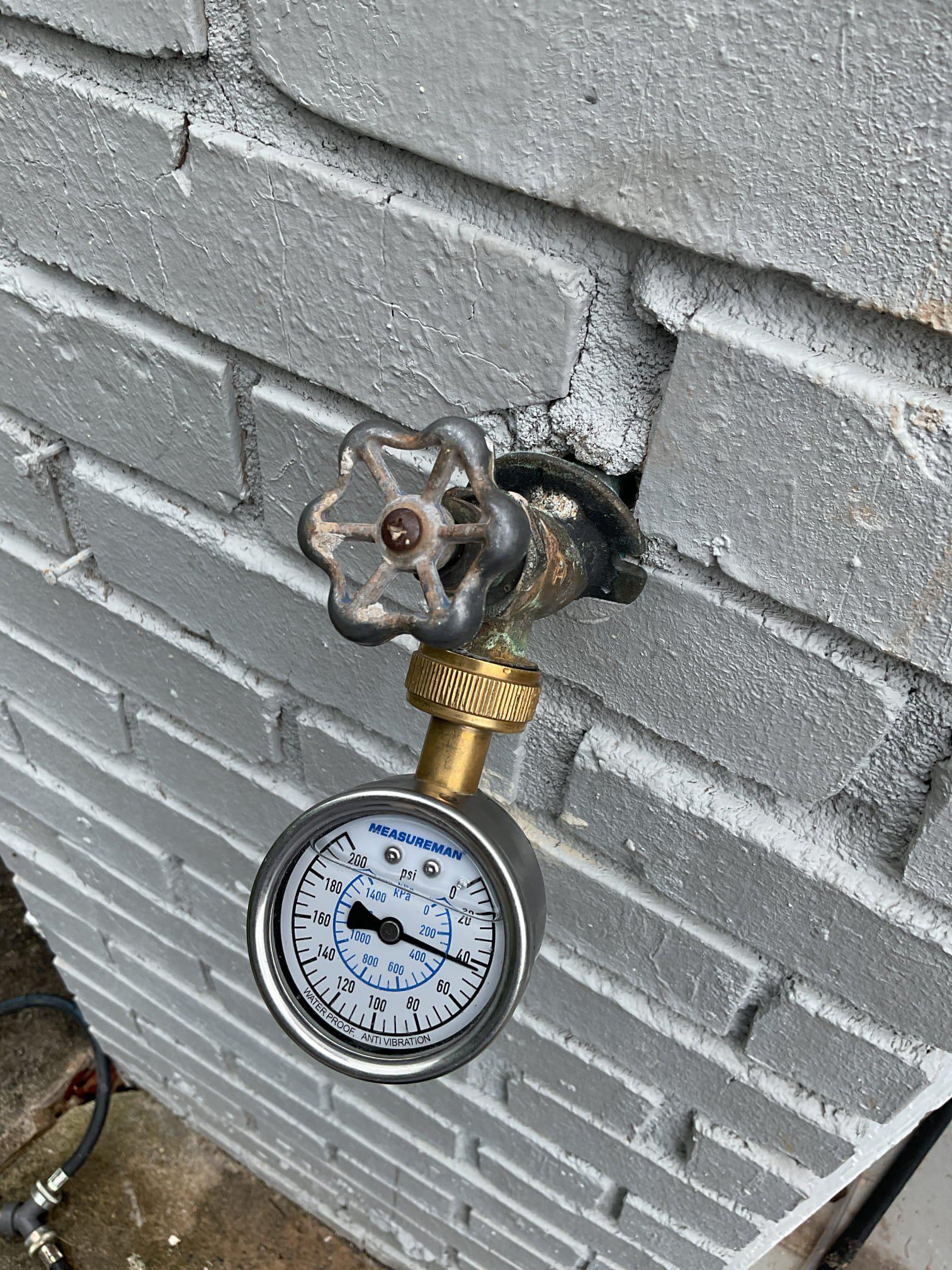
The first thing to check after winter is every exterior hose bib. Turn each one on fully, let it run for 30 seconds, and check for reduced flow, dripping around the handle, or any water seeping through the exterior wall near the bib. Most North Fulton homes use frost-free hose bibs, which have their shutoff point set 6 to 8 inches inside the wall to prevent freezing. When these fail after a cold winter, they often leak inside the wall rather than visibly outside — so a wet patch of drywall near an exterior wall in spring deserves investigation before it's attributed to something else.
If a hose bib drips continuously after shutoff or feels loose at the wall, it needs replacement. This is a straightforward repair and far less expensive than water damage remediation from a slow interior leak that went unnoticed for months.
Irrigation System Startup
If your home has an in-ground irrigation system, spring startup is the time to inspect the backflow preventer — the device that keeps irrigation water from flowing back into your domestic supply. Georgia requires backflow preventers on irrigation systems, and they need to be checked annually. Look for visible cracks, corrosion, or dripping from the device itself. A licensed plumber can test and certify the backflow preventer if your HOA or Forsyth/Fulton County requires documentation.
Also check the first run of each zone for broken heads, misaligned sprayers, or soft ground near a head that may indicate an underground leak in the lateral line.
Main Water Shutoff
Locate your main water shutoff and test it. This sounds basic, but a significant number of homeowners in Alpharetta's 1990s-era neighborhoods have gate valves that haven't been operated in 10 or 15 years and have effectively seized. A gate valve that won't close is not a shutoff — it's a false sense of security. When you have a burst pipe or a major fixture failure, the ability to stop the water supply immediately is critical. If your shutoff is a gate valve (round wheel handle rather than a lever), seriously consider replacing it with a ball valve before you need it in an emergency.
Water Heater Inspection
Your water heater should be part of every spring checklist, regardless of age. Here's what to look for:
- Check around the base of the tank for any moisture, rust staining, or mineral deposits. These indicate a slow leak from the tank itself or from the temperature-pressure relief valve.
- Listen during a heating cycle for popping, rumbling, or cracking sounds. These indicate sediment buildup on the heating element — a common issue in Alpharetta given the moderately hard water supply from the City of Alpharetta's Chattahoochee intake. Annual flushing removes sediment and extends the unit's service life meaningfully.
- Check the age of the unit. The manufacture date is on the serial number label. If the unit is 10 years or older, it is in the replacement window. Planning a replacement before failure gives you time to evaluate options — including tankless — rather than making a rushed decision during a cold morning with no hot water.
- If you have a tankless water heater, spring is the correct time for the annual descaling flush. Navien and most other manufacturers recommend annual maintenance, and in North Fulton's water conditions this is especially important for maintaining flow rate and efficiency.
Kitchen
Under-Sink Supply Lines and Drain
Open the cabinet under your kitchen sink and look carefully at the supply lines running to the hot and cold valves. Braided stainless lines have a finite service life — typically 10 years — and they fail suddenly and completely rather than gradually. If your supply lines are the original rubber-core lines from a 1990s or early 2000s kitchen, replacing them proactively costs under $50 in parts and about 20 minutes of labor. Letting them fail costs the contents of the cabinet, the subfloor, and potentially the ceiling of the room below.
Also check the P-trap and drain connections under the sink for any softness in the pipe, staining on the cabinet floor, or mineral buildup at joints — all signs of a slow drip that has been going unnoticed.
Garbage Disposal
Run the disposal with water flowing and listen for grinding, wobbling, or vibration that suggests a worn impeller or foreign object lodged in the grinding chamber. Check the rubber splash guard at the drain opening — these deteriorate over time and can harbor mold and bacteria. If the disposal hums but doesn't turn, the reset button on the bottom of the unit trips when the motor overloads; press it and test again. Repeated tripping indicates the motor is failing.
Bathrooms
Toilets
Test every toilet in the house for a running condition by putting a few drops of food coloring in the tank and waiting 10 minutes without flushing. If color appears in the bowl, the flapper is leaking. A running toilet can waste 200 gallons of water per day — significant on your water bill and on your water utility account if Alpharetta or Forsyth County has usage thresholds. Flapper replacement is a $10 part.
Also check that every toilet is secured firmly at the floor and does not rock or shift when sat on. Movement at the base indicates a failed wax ring, which allows sewer gases and, over time, water from the wax seal to infiltrate the subfloor below.
Showers and Tubs
Inspect caulk lines around the base of showers and tubs for cracking, separation, or dark staining that indicates mold behind the caulk. Failed caulk at a shower pan or tub surround allows water to reach the subfloor and wall framing with every use. This is one of the most common sources of hidden water damage in North Fulton bathrooms. Recaulking is an inexpensive DIY repair — the key is removing the old caulk completely before applying new material.
Basement and Utility Areas
Most Alpharetta homes are slab-on-grade without a basement, but if your home has a finished lower level or a utility room with exposed supply lines, check all visible pipe for moisture, condensation, or corrosion at joints. Pay particular attention to any copper pipe that was repaired with a sharkbite or push-fit connector — these connectors are legitimate repairs but they are not permanent solutions and should be monitored for seepage at the fitting over time.
Check your washing machine supply hoses. Like kitchen supply lines, rubber washing machine hoses have a service life and a failure mode that is sudden and high-volume. A burst washing machine hose is one of the most common causes of significant home water damage. Braided stainless replacement hoses are inexpensive and worth installing as a standard practice.
A Note on What This Checklist Can and Can't Catch
This walkthrough is designed to identify visible, surface-level plumbing issues. It will not reveal what is happening inside your walls, beneath your slab, or in your main sewer line. If your home is in the 30-to-40-year age range common in Windward, the Haynes Bridge corridor, or the Jones Bridge Road neighborhoods, and you haven't had a professional plumbing assessment in several years, spring is a reasonable time to schedule one. A licensed plumber can pressure-test your system, inspect accessible pipe sections for corrosion, and give you an honest picture of what the next few years are likely to look like.
Benjamin Franklin Plumbing® of Alpharetta serves homeowners throughout Alpharetta, Cumming, Roswell, Milton, and Johns Creek. Available 24/7 — call (678) 833-2754 or book online. Licensed, background-checked, and drug-tested technicians. If we are ever late, we pay you $5 for every minute — up to $300.

 Your Privacy Choices