
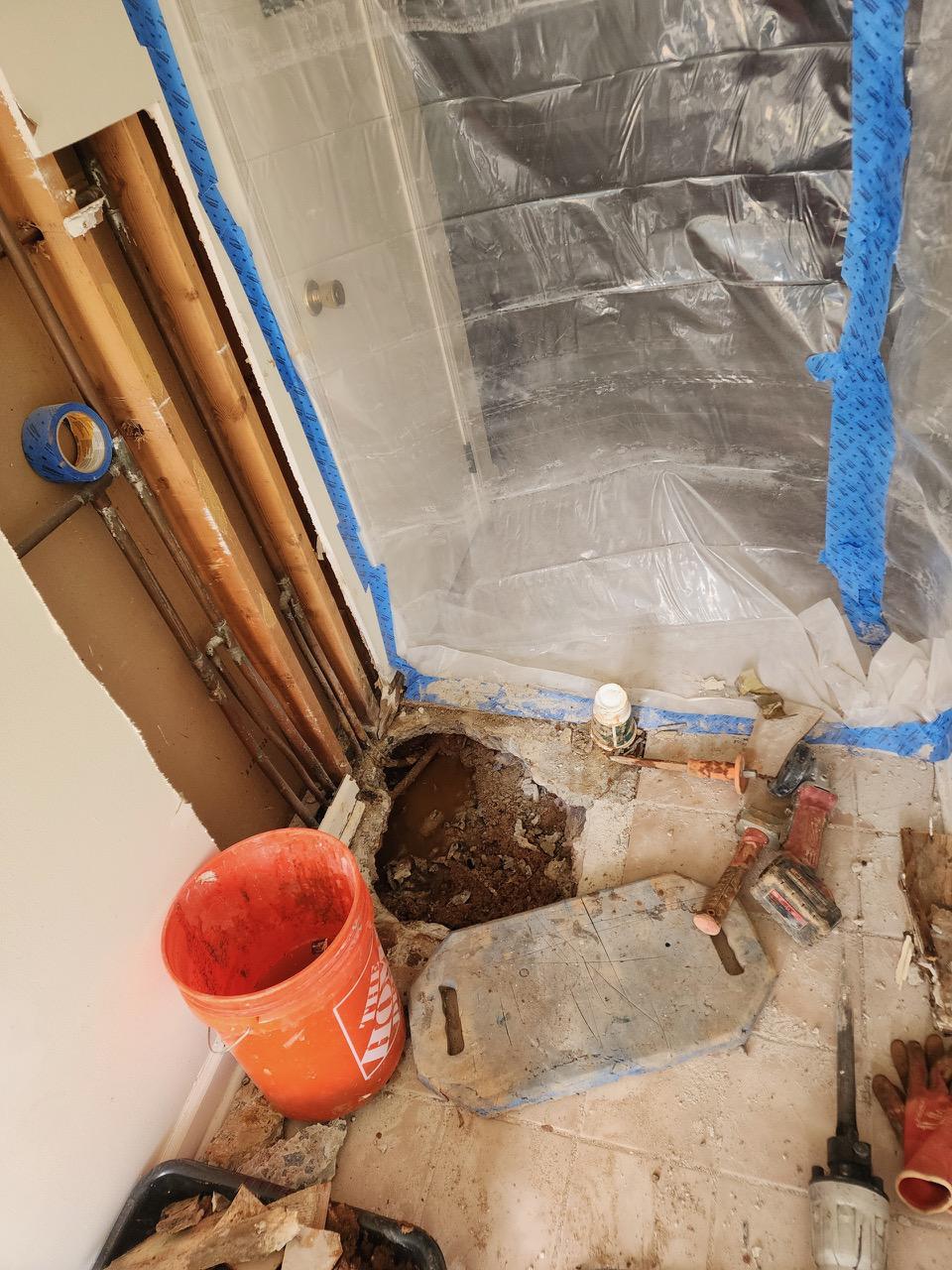
Quick Summary: Signs of a Slab Leak
Homeowners in Alpharetta and surrounding areas may have a slab leak if they notice:
- unexplained increase in water bills
- warm spots on flooring
- sound of running water when plumbing fixtures are off
- cracks in flooring or drywall
- damp carpet or flooring
- musty odors or mold smells
If these symptoms appear, professional leak detection is recommended.
A Homeowner’s Guide for Alpharetta, Cumming, Roswell, Johns Creek, Milton, and Sandy Springs.
Slab leaks are one of the most serious plumbing issues homeowners can face. Because many homes in North Atlanta are built on concrete slab foundations, leaks in underground water lines can go unnoticed for weeks or even months before obvious damage appears.
If you live in Alpharetta, Cumming, Roswell, Johns Creek, Milton, or Sandy Springs, understanding the early warning signs of a slab leak can help prevent major structural damage and costly repairs.
At Benjamin Franklin Plumbing of Alpharetta, our team specializes in advanced leak detection and slab leak repairs, helping homeowners throughout North Fulton and Forsyth County identify problems early and repair them correctly.
What Is a Slab Leak?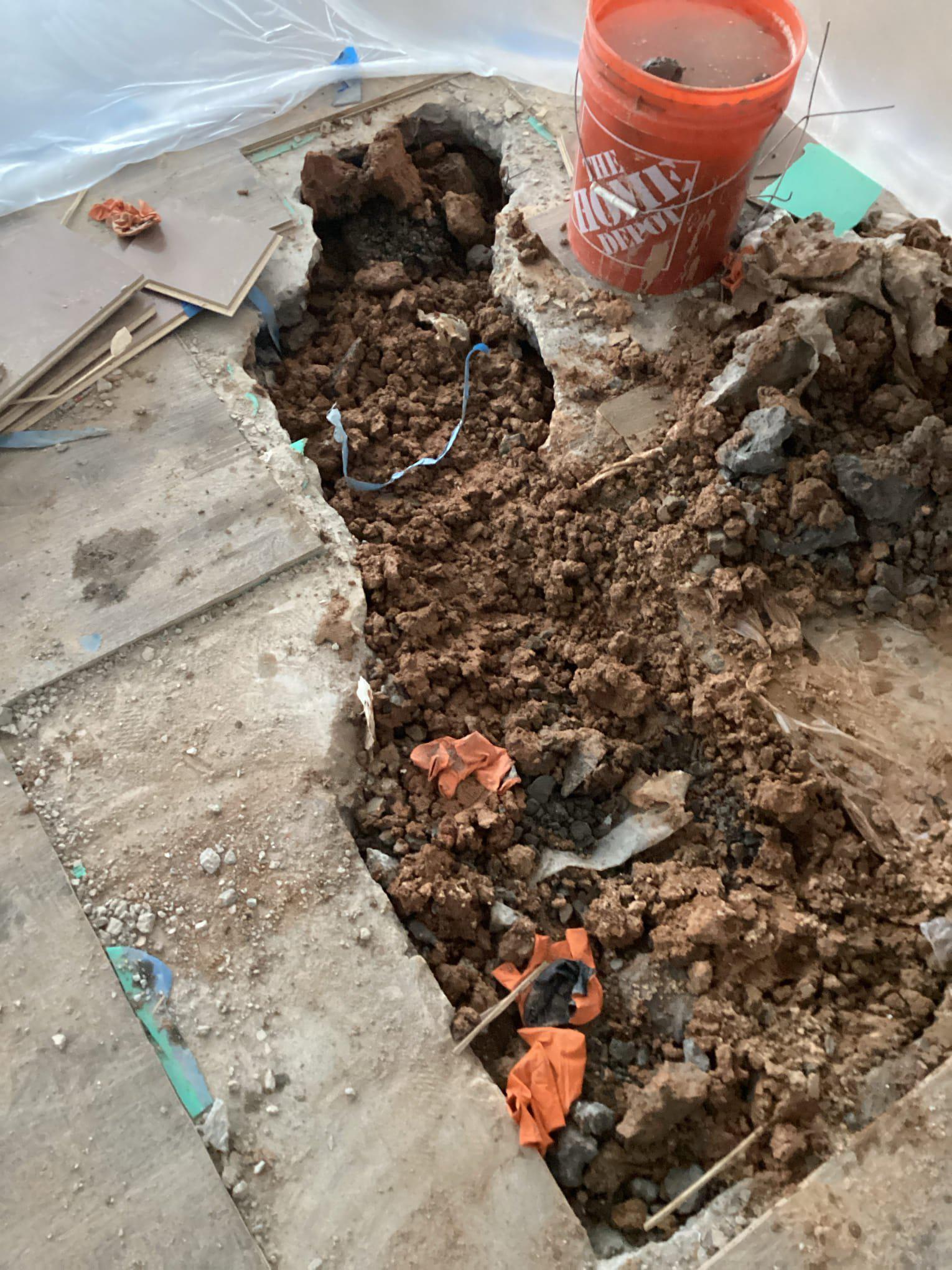
A slab leak occurs when a water line beneath your home’s concrete foundation develops a leak or rupture.
These pipes are typically copper, PEX, or CPVC and run underneath the slab to supply water throughout the house.
When a leak develops below the slab, water can:
- saturate soil beneath the foundation
- weaken structural support
- create mold or moisture issues
- cause cracks in flooring or walls
Because the pipes are buried beneath concrete, slab leaks often require specialized detection equipment to locate the exact source.
Common Signs of a Slab Leak
Homeowners often notice small symptoms before realizing a larger plumbing problem exists.
Here are the most common warning signs.
Unexplained Increase in Water Bills
If your water bill suddenly increases without a clear reason, it could indicate a hidden leak beneath the slab.
Even a small underground leak can waste thousands of gallons of water each month.
Warm Spots on the Floor
Homes with hot water line leaks often develop warm areas on tile or hardwood flooring.
This occurs when hot water continuously flows under the slab and transfers heat upward.
Sound of Running Water
If you hear water running when:
- faucets are off
- appliances are not using water
- toilets are not running
There may be a leak in your plumbing system beneath the foundation.
Cracks in Flooring or Walls
As soil beneath the slab becomes saturated, the foundation can shift.
This may cause:
- hairline cracks in drywall
- cracked tile flooring
- uneven flooring surfaces
Foundation movement is one of the more serious consequences of long-term slab leaks.
Damp Carpet or Flooring
Moisture rising through the slab can lead to:
- wet carpet
- warped hardwood floors
- loose tile
This often occurs in rooms near where the pipe has failed.
Mold or Mildew Smells
Hidden moisture under the slab may lead to:
- musty odors
- mold growth
- persistent humidity inside the home
These smells are often strongest near flooring or baseboards.
Why Slab Leaks Are Common in North Atlanta
Several regional factors contribute to slab leaks in homes throughout Alpharetta, Cumming, Roswell, Johns Creek, Milton, and Sandy Springs.
Soil movement
Georgia clay soil expands and contracts with moisture changes. This movement can stress underground plumbing lines.
Aging plumbing systems
Many homes built in the 1990s and early 2000s are reaching the age where plumbing components begin to wear out.
Water pressure issues
High municipal water pressure can accelerate pipe deterioration if homes do not have properly functioning pressure reducing valves (PRVs). Many homes in North Atlanta receive water from municipal systems connected to Lake Lanier and the Chattahoochee River basin. These systems can produce higher water pressure levels that may contribute to plumbing stress if pressure reducing valves are not properly maintained.
How Slab Leaks Are Detected
Modern leak detection technology allows plumbers to locate leaks without breaking large areas of concrete.
Professional plumbers may use:
- acoustic listening equipment
- pressure testing
- thermal imaging
- electronic leak detection tools
These tools help pinpoint the exact leak location before repairs begin.
At Benjamin Franklin Plumbing of Alpharetta, our technicians use advanced leak detection equipment to locate slab leaks accurately and minimize disruption to your home.
Slab Leak Repair Options
The best repair method depends on the location and severity of the leak.
Common solutions include:
- Spot repair: If the leak is isolated, a small section of concrete may be opened to repair the pipe.
- Pipe rerouting: Sometimes the damaged line is bypassed and rerouted through walls or ceilings.
- Repiping: In cases with multiple failing pipes, replacing sections of plumbing may be the most reliable solution.
A professional inspection will determine the best long-term repair strategy.
Why Early Detection Matters
Slab leaks rarely resolve on their own.
Ignoring the problem can lead to:
- foundation damage
- mold growth
- flooring damage
- major water waste
Early detection can significantly reduce repair costs and protect your home’s structural integrity.
Slab Leak Detection in Alpharetta and North Atlanta
If you suspect a slab leak, it’s important to have a licensed plumber inspect the issue promptly.
Benjamin Franklin Plumbing of Alpharetta provides professional leak detection and slab leak repair services for homeowners throughout:
- Alpharetta
- Cumming
- Roswell
- Johns Creek
- Milton
- Sandy Springs
Our team focuses on accurate diagnosis, clear communication, and long-term solutions so homeowners can feel confident their plumbing system is repaired correctly.


 Your Privacy Choices