
Table of Contents
- How Hard Is Goddard's Water?
- Signs You Have Hard Water in Your Home
- Health & Cost Impact of Hard Water
- Goddard's Tap Water Quality Report
- Water Softener vs. Other Treatment Options
- How to Choose the Right Water Softener for Goddard
- Well Water in Goddard: Special Considerations
- Get a Free Water Test in Goddard
- FAQ
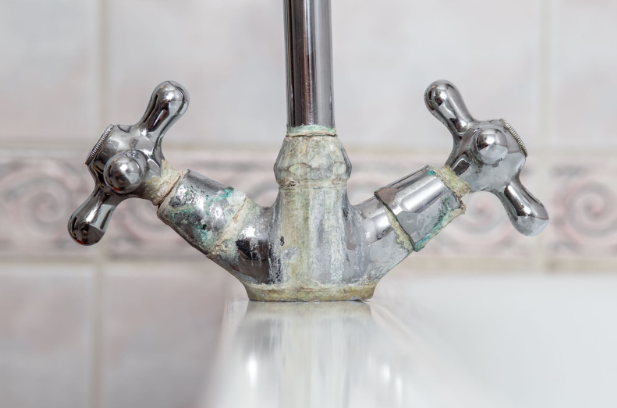
If you live in Goddard, Kansas, you've probably noticed the chalky film on your faucets, stubborn soap scum in the shower, or the dull, stiff feeling of laundry straight out of the wash. This isn't a cleaning problem - it's a hard water problem, and it's one that nearly every Goddard homeowner faces.
This guide pulls together everything you need to know about Goddard hard water, how to test it, and the best water softener and water treatment options available to residents of the Goddard, KS area.
1. How Hard Is Goddard's Water?
Goddard KS draws its municipal water supply from groundwater sources. Groundwater in south-central Kansas travels through limestone-rich geology, picking up elevated concentrations of calcium and magnesium as it moves through rock and soil - the two minerals that define hard water.
|
Classification |
PPM (mg/L) |
Grains Per Gallon (GPG) |
|
Soft |
0-60 |
0-3.5 |
|
Moderately Hard |
61-120 |
3.5-7 |
|
Hard |
121-180 |
7-10.5 |
|
Very Hard |
181-250 |
10.5-14.5 |
Source: USGS MSU Extension
To put that in perspective: water above 7 GPG is considered hard, and anything over 10.5 GPG is very hard. Goddard consistently tests far above this threshold, particularly for homes on private wells.
Pro Tip: To find out exactly how hard your water is, request a free professional water test. Home test strips give a rough estimate, but a certified lab analysis reveals the full picture - including iron, pH, and other contaminants beyond just hardness.
2. Signs You Have Hard Water in Your Home
Hard water makes itself known in frustrating, everyday ways. Here's what Goddard homeowners commonly experience:
In the Kitchen
- White, chalky residue (calcium carbonate) on pots, kettles, and faucets
- Spotty glassware and dishes even after washing
- Reduced lathering with dish soap
- Odd metallic or mineral taste in tap water
In the Bathroom
- Soap scum that won't wipe off tile and glass shower doors
- Dry, itchy skin and dull hair after showering
- Shampoo and conditioner that feel less effective
- Mineral-stained toilet bowls and sink basins
In Your Appliances & Plumbing
- Scale buildup inside water heaters, reducing efficiency by up to 30%
- Shortened lifespan of dishwashers and washing machines
- Reduced water pressure from mineral deposits inside pipes
- Higher energy bills as scale-coated heating elements work harder
In Your Laundry
- Stiff, scratchy towels and clothing
- Colors that fade faster than expected
- Requiring more detergent to get a clean wash
3. Health & Cost Impact of Hard Water
Hard water is generally safe to drink - the calcium and magnesium it contains are not harmful and may even provide some dietary minerals. However, the cumulative cost impact on your home and appliances is very real.
Scale buildup from hard water reduces water heater efficiency and shortens the lifespan of dishwashers and washing machines by years. Across the Midwest, where hard water is widespread, homeowners who treat their water report measurable savings on energy bills, cleaning products, and appliance repair and replacement costs.
For Goddard families with young children, it's also worth noting the broader context: EWG's Tap Water Database has identified 10 contaminants in Goddard's municipal water that exceed EWG's (stricter) health guidelines - separate from hardness. While the city water meets all federal legal standards, many households choose additional home filtration for added peace of mind.
4. Goddard's Tap Water Quality at a Glance
Goddard's municipal water system serves approximately 5,372 residents and draws from groundwater sources. According to the EWG Tap Water Database (data 2018-2024), the utility was in compliance with all federal health-based drinking water standards as of the most recently assessed quarter. However, EWG flagged 20 total detected contaminants, with 10 exceeding their more stringent health guidelines.
Notably, the city's Ad Hoc Water Committee - formed in 2024 - identified water quality as one of its core discussion topics, alongside rate concerns and conservation, reflecting the community's active engagement with local water issues. Learn more on the Goddard, KS official city website.
5. Water Softener vs. Other Treatment Options
Once you confirm you have hard water, the next step is choosing the right solution. Here's how the main options compare for Goddard homeowners:
Salt-Based Ion Exchange Water Softeners
The most proven solution for hard water. Ion exchange softeners work by replacing calcium and magnesium ions in the water with sodium (salt) ions, producing genuinely soft water throughout your home. They are the gold standard for protecting plumbing, appliances, and extending equipment life. A properly sized softener regenerates automatically based on your actual water usage - typically every 5-10 days.
Salt-Free Water Conditioners
These systems don't remove hardness minerals but change their crystalline structure so they're less likely to stick to surfaces. They add no sodium to the water and require no electricity or salt to operate. A good option for those on low-sodium diets or who prefer a more eco-friendly approach, though they don't deliver the silky "soft" water feel of true softeners.
Reverse Osmosis (RO) Drinking Water Systems
Installed under the kitchen sink, RO systems filter water through a semi-permeable membrane, removing hardness minerals, contaminants, chlorine, nitrates, and more. RO provides the highest-quality drinking water available for a home. It's typically combined with a whole-house softener for comprehensive protection. Learn more about reverse osmosis systems here.
Whole-House Carbon Filtration
Excellent for removing chlorine, taste, odor, and certain organic chemicals, but does not address hardness minerals. Best used as a complement to a softener, not a replacement. Explore whole-house filtration options here.
|
Solution |
Removes Hardness |
Improves Taste |
Protects Appliances |
Best For |
|
Salt-Based Softener |
✅ Yes |
Somewhat |
✅ Yes |
Whole home |
|
Salt-Free Conditioner |
Partially |
No |
Partially |
Eco-conscious homes |
|
Reverse Osmosis |
✅ Yes (drinking water) |
✅ Yes |
N/A (point of use) |
Drinking water |
|
Carbon Filtration |
❌ No |
✅ Yes |
No |
Chlorine/taste issues |
6. How to Choose the Right Water Softener for Goddard
Selecting the correct softener size is critical. An undersized unit won't keep up with your household's demands; an oversized one wastes salt and water during regeneration. Here are the key factors for Goddard-area homeowners:
Step 1: Know Your Water Hardness Number
Get a professional water test or use a certified home test kit. Your result in grains per gallon (GPG) drives everything else. The standard conversion is 1 GPG = 17.1 PPM, so if your report shows 150 PPM, your hardness is approximately 8.8 GPG.
Step 2: Calculate Your Daily Grain Requirement
Multiply: (Number of people in home) × (gallons used per person per day, typically 75) × (GPG hardness) = daily grains to remove. A family of four with 10 GPG water needs a softener that can handle roughly 3,000 grains per day.
Step 3: Choose a Unit with Appropriate Grain Capacity
Most residential softeners range from 20,000 to 80,000 grain capacity. For regeneration efficiency, you generally want a unit that regenerates every 7-10 days. Your water treatment professional will size this for you based on your actual test results and household size.
Step 4: Consider Smart/Demand-Initiated Regeneration
Modern softeners with demand-initiated regeneration only regenerate when needed, saving both salt and water. These are the most cost-effective option for most Goddard households.
Want expert guidance on sizing? Contact us for a free consultation - we serve Goddard and all of Sedgwick County.
7. Well Water in Goddard: Special Considerations
A significant number of Goddard-area homes - particularly those on larger rural properties outside the city limits - rely on private wells. Well water in south-central Kansas presents unique treatment challenges beyond simple hardness:
- Iron: Kansas groundwater frequently contains dissolved iron, which causes orange/reddish staining on fixtures, laundry, and the inside of toilet tanks. Iron can also foul a standard softener resin bed if not addressed separately with an iron filter.
- Hardness: Typically higher than city water, often exceeding 20+ GPG in some areas.
- Nitrates: Agricultural runoff is a significant concern in Sedgwick County. Nitrates above 10 PPM are unsafe for infants and pregnant women, per EPA standards.
- Bacteria: Private wells should be tested for coliform bacteria annually, especially after heavy rains or nearby construction.
- Hydrogen Sulfide: The "rotten egg" smell sometimes present in Kansas well water. A dedicated aeration or oxidation filter is needed to address it.
A comprehensive well water treatment system for Goddard typically combines a whole-house iron/sediment filter, a water softener, and an under-sink RO system for drinking water.
Not Sure What's In Your Goddard Water?
A professional water test is the fastest way to know exactly what you're dealing with - and what treatment your home needs. We offer free water testing for Goddard homeowners. Schedule Your Free Water Test →
8. Get a Free Water Test in Goddard, KS
The single best first step any Goddard homeowner can take is a professional water test. Unlike DIY test strips, a thorough water analysis measures hardness, chlorine testing, bacteria testing, and more - giving you a complete picture of what's coming out of your tap.
Our certified water specialists serve Goddard and all of Sedgwick County, including Wichita, Andover, Maize, Derby, and surrounding communities. We'll come to your home, test your water on the spot, and walk you through the results with zero obligation.
You can also check your water utility's official Consumer Confidence Report (CCR) - required by the EPA to be published annually - to review recent contaminant data for Goddard's municipal water supply. For deeper third-party analysis, visit the EWG Tap Water Database page for Goddard, City of.
Ready to take the next step? Request your free water test here or call us at (316) 768-8374. We also offer water softener maintenance and repairs if you already have a system that needs attention.

 Your Privacy Choices