Water heaters rarely get much attention until they stop working. On a normal day, you turn on the tap and hot water shows up, no thought required. It's only when a unit fails that most people realize how much daily life depends on it, from morning showers to washing dishes after dinner.
According to the U.S. Environmental Protection Agency (EPA), heating water is typically the second largest source of energy use in a home, ranking just behind space heating and cooling. That makes the type of water heater you choose one of the bigger decisions you'll make for your home's energy use and monthly utility bills.
When you need water heater installation, repair, or maintenance, Benjamin Franklin Plumbing is ready to help. Our licensed plumbers stay current on the latest water heater technology so you can make an informed choice and get the job done right the first time.
How Tankless Water Heaters Work
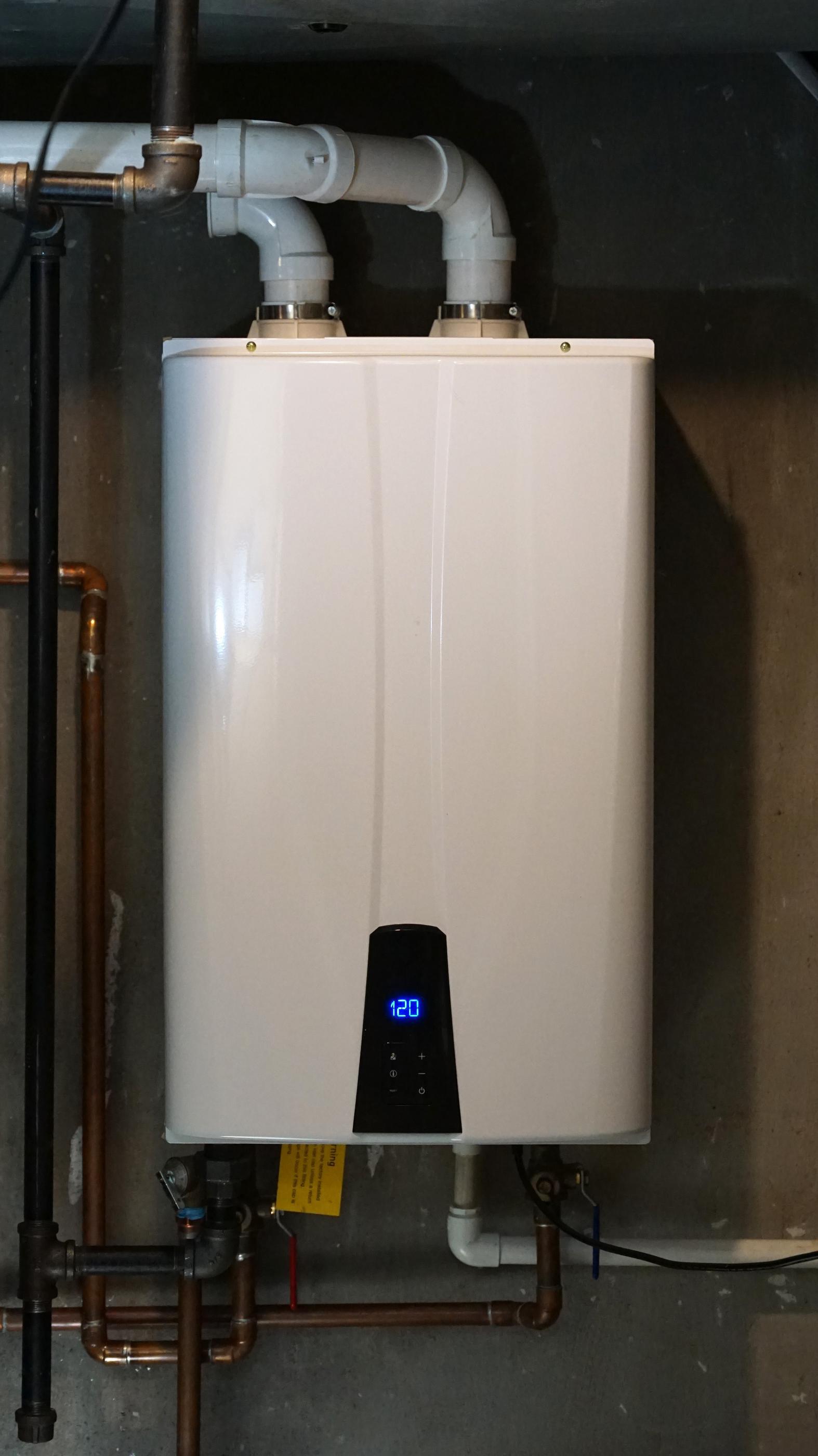
Tankless water heaters, also called on-demand or instantaneous water heaters, have been available since the 1990s and have become increasingly popular. Instead of storing and continuously heating a tank of water, they heat water directly as it flows through the unit.
When you turn on a hot water tap, cold water travels into the tankless unit, where a gas burner or electric element heats it instantly. The result is a continuous supply of hot water without the standby energy loss that comes with keeping a full tank hot around the clock.For those who love long, hot showers a tankless water heater ensures a toasty, luxurious experience.
Comparing Your Water Heater Options
Choosing the right water heater comes down to your household's hot water demand, your budget, and your energy priorities. Here's how the main options compare.
Conventional tank water heaters are the most common type and typically hold anywhere from 20 to 100 gallons. They run on electricity or gas and have a lower upfront cost than tankless units, but they use more energy overall since they keep a full tank heated even when you're not using hot water.
Tankless water heaters cost more upfront but use less energy over time because they only heat water as needed. They also tend to last longer than tank models and take up less space, which makes them a good option for smaller homes or utility closets.
Solar water heaters use energy from the sun instead of gas or electricity to heat water. They have a higher installation cost but can meaningfully lower your monthly energy bills over the life of the system, particularly in sunnier climates.
Gas water heaters (tank or tankless) usually cost more to install than electric models but can be cheaper to run long-term thanks to lower natural gas rates in many areas. If you go with a gas unit, periodic inspection of the gas line, gas valve, and tank is a good idea to prevent leaks and sediment buildup over time.
Benefits of Tankless Water Heaters
- They provide a continuous supply of hot water, so you don’t have to worry about running out
- Fewer parts to replace so maintenance costs are lower
- Average lifespan of 20 years, longer than traditional units
- Lower energy use than standard tank water heater
- Smaller than conventional water heaters
- No storage tank means no major leaks
Why Regular Maintenance Matters
A water heater that's installed incorrectly or goes years without maintenance can become a real safety risk. Left unchecked, issues can lead to leaks, inconsistent water temperatures, or even gas line problems. Routine maintenance helps catch small issues before they turn into costly repairs or safety hazards, and it keeps your unit running efficiently for longer. Consider a plumbing membership maintenance plan to keep scheduling easy and avoid forgetting annual maintenance.
Benjamin Franklin Plumbing Can Help You Choose the Water Heater Right For You
Whether you're considering a switch to tankless, weighing a solar water heater, or just need a repair on your current system, our team at Benjamin Franklin Plumbing is ready to help you choose the right fit for your home and budget. We're available 24 hours a day at (316) 768-8374.
*Source: U.S. EPA, "About WaterSense," epa.gov/watersense/about-watersense

 Your Privacy Choices