
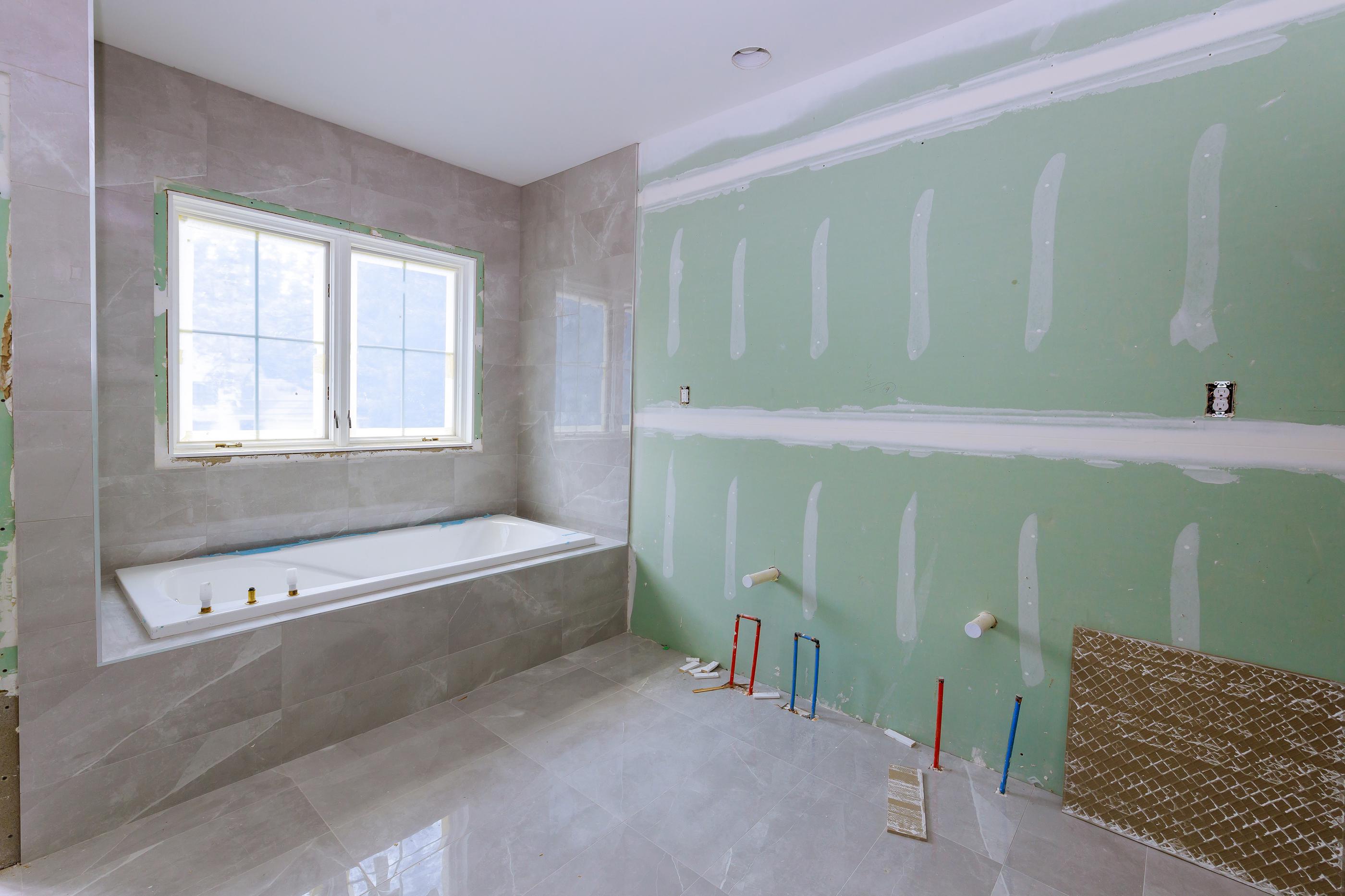
A bathroom remodel can seem like the perfect DIY project. New tile, fresh paint, updated lighting, and a modern vanity can completely transform a space.
But once your remodel involves moving a toilet, relocating a shower, replacing water lines, or changing the drain layout, you're no longer just changing the appearance of your bathroom. You're modifying one of the most important systems in your home.
So, do you actually need a Wichita plumber for your bathroom remodel?
If you're changing the bathroom's plumbing, the answer is usually yes.
Here's how to determine which parts of your remodel you can tackle yourself, and where bringing in a professional plumber can save you from expensive problems down the road.
Start With One Question: Are You Moving Plumbing?
This is the easiest way to determine whether your project needs professional plumbing work.
If you're only changing cosmetic features...
You may not need a plumber.
Projects such as these generally don't require changes to the plumbing system:
- Painting walls
- Installing new bathroom flooring
- Replacing mirrors
- Installing shelving
- Updating light fixtures
- Replacing cabinet hardware
- Replacing a vanity without changing its plumbing connections
These projects change the appearance of your bathroom without changing how water enters or leaves the room.
If you're changing the plumbing layout...
That's where things get more complicated.
You'll likely want a professional plumber if you're:
- Moving a toilet
- Relocating a sink
- Adding a second sink
- Moving a shower or bathtub
- Installing a new shower valve
- Changing drain locations
- Adding new water supply lines
- Installing a freestanding tub
- Adding a bidet
- Modifying gas lines for a bathroom appliance
Moving a fixture may require changes inside the walls or beneath the floor, not just new visible connections.
Why Moving a Bathroom Fixture Is More Complicated Than It Looks
A toilet isn't simply connected to a pipe beneath the floor.
Your bathroom plumbing consists of interconnected systems, including:
Water supply lines → fixtures → drain-waste piping → vent system → sewer line
When you move a fixture, you can potentially change the way water flows through the entire system.
For example, moving a toilet may require relocating the drain connection and modifying the venting configuration. The Metropolitan Area Building and Construction Department (MABCD), which enforces plumbing code for Wichita and Sedgwick County, requires this kind of work to meet the adopted Uniform Plumbing Code standards. If the new plumbing isn't sized or vented to meet these requirements, you could eventually experience slow drainage, gurgling fixtures, sewer odors, or recurring clogs.
A professional plumber understands how these components work together.
What About Replacing a Toilet or Faucet?
This is where the answer gets a little more nuanced.
Some homeowners are comfortable replacing a faucet or toilet themselves, and relatively straightforward fixture replacements may not require a plumber.
However, professional installation becomes especially valuable when you're dealing with:
- Older shutoff valves
- Corroded supply lines
- Difficult-to-access connections
- Leaking connections
- New fixture locations
- Unusual plumbing configurations
- Older Wichita homes
A fixture that appears to be a simple replacement can uncover deteriorated plumbing once the old fixture is removed.
Wichita's Older Homes Can Add Another Layer of Complexity
If you're remodeling a bathroom in an older Wichita home, don't assume the plumbing behind the walls looks like the plumbing in a newer house.
Depending on the home's age and previous renovations, you may encounter:
- Galvanized steel piping
- Older copper plumbing
- Aging drain lines
- Corroded shutoff valves
- Previous DIY plumbing modifications
- Outdated plumbing configurations
This is particularly important in established Wichita neighborhoods where some homes have decades of plumbing history behind them.
A bathroom remodel can be an opportunity to identify aging plumbing before a small issue becomes a major leak behind your newly installed walls.
Don't Forget About Wichita's Hard Water
Wichita's hard water can also affect bathroom fixtures and plumbing components over time.
Calcium and magnesium minerals can accumulate around:
- Showerheads
- Faucets
- Valve components
- Supply connections
- Drain components
Mineral scale can restrict water flow and make fixtures more difficult to operate or maintain.
If you're already opening up walls or replacing fixtures during a bathroom remodel, it's worth asking your plumber whether your home's existing plumbing shows signs of mineral buildup or corrosion.
For some homeowners, a remodel can also be a convenient time to consider a water softener or filtration system.
What Can Go Wrong With DIY Bathroom Plumbing?
The biggest concern isn't necessarily that something will immediately go wrong.
It's that a plumbing mistake can remain hidden.
A poorly sealed connection behind a wall might leak slowly for weeks or months before anyone notices. By then, the homeowner may be dealing with:
- Water-damaged drywall
- Mold or mildew
- Damaged flooring
- Cabinet damage
- Subfloor deterioration
- Structural damage
Another concern is drainage.
A drain that appears to work after installation may still have improper slope, venting, or pipe sizing that eventually leads to recurring drainage problems.
It's much easier to address these issues before the walls are closed and the tile is installed.
When Should a Plumber Be Involved?
Think of your remodel in three categories:
|
Your Project |
Professional Plumber? |
|
Painting or cosmetic updates |
Usually not necessary |
|
Replacing a faucet or toilet in the same location |
May not be necessary, depending on the plumbing |
|
Replacing a vanity with the same plumbing connections |
Often optional |
|
Installing a new shower valve |
Recommended |
|
Moving a sink |
Yes |
|
Moving a toilet |
Yes |
|
Yes |
|
|
Adding new water or drain lines |
Yes |
|
Modifying plumbing behind walls |
Yes |
|
Working on gas lines |
Yes |
When in doubt, having a plumber evaluate the project before demolition can help you understand what you're getting into.
A Plumber Can Help Before the Remodel Even Starts
You don't necessarily have to wait until something goes wrong to call a plumber.
A pre-remodel plumbing evaluation can help identify problems before your contractor closes up the walls.
Benjamin Franklin Plumbing of Wichita can evaluate existing plumbing and help homeowners understand what may need to be repaired, replaced, or relocated as part of a bathroom renovation.
That can be especially valuable if you're remodeling an older home or changing the location of multiple fixtures.
The Bottom Line for Wichita Homeowners
You don't necessarily need a plumber to remodel your entire bathroom.
But if your renovation changes where water enters the room, where wastewater leaves it, or how your plumbing system is vented, professional plumbing work is strongly recommended.
Getting the plumbing right before the walls and floors are finished can help protect your investment and prevent a beautiful new bathroom from becoming the source of your next plumbing emergency.
If you're planning a bathroom remodel in Wichita and aren't sure how much plumbing work your project requires, Benjamin Franklin Plumbing can help you evaluate the existing system, complete necessary plumbing modifications, and make sure your new bathroom has the infrastructure it needs to work properly for years to come.

 Your Privacy Choices