Written By: Benjamin Franklin Plumbing of Wichita
A shower that looks perfectly normal can still be leaking underneath.
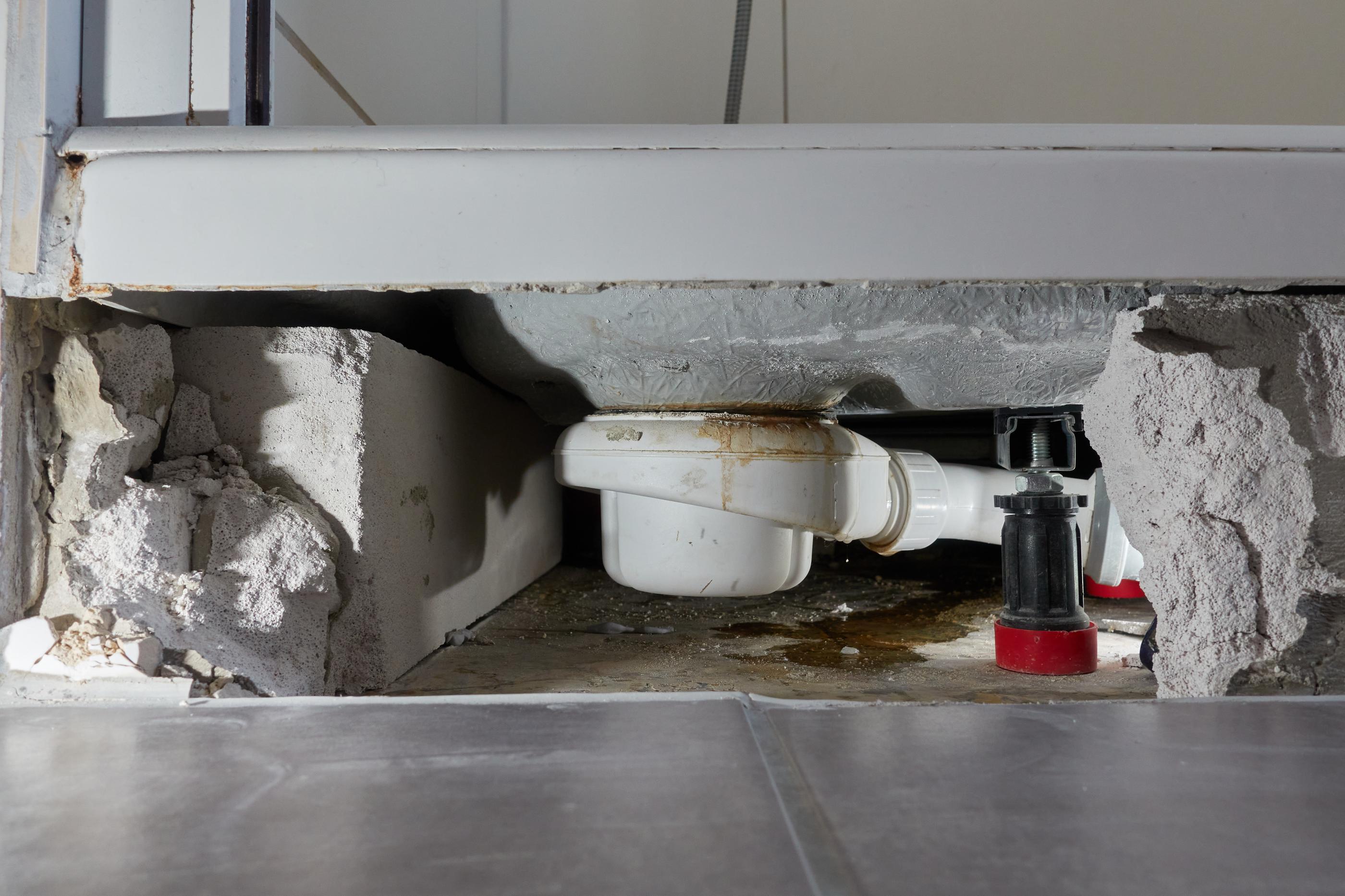
A cracked shower pan, failed waterproofing membrane or deteriorated drain connection can allow water to escape beneath the shower floor and into the surrounding structure. And because much of the plumbing involved is hidden behind walls or underneath the finished shower, the first sign isn't always a visible puddle.
You might instead notice a musty smell, a soft spot in the floor, damaged drywall in the room below or water appearing outside the shower.
Knowing what to look for can help you determine when it's time for professional leak detection and shower repair.
What Is a Shower Pan?
The shower pan is the waterproof base of a shower that collects water and directs it toward the drain.
Depending on the construction, a shower may use a manufactured shower pan, a tiled shower base with a waterproofing system underneath, or another type of waterproofed assembly. The important part is that the shower floor is designed to contain water and direct it into the drain, not allow water to migrate into the surrounding walls or subfloor.
When that waterproofing system fails, water can travel into areas that aren't designed to get wet. That can lead to major structural issues and even hidden mold.
7 Signs Your Wichita Shower Pan May Be Leaking
A shower pan leak can be difficult to spot because the source of the water isn't always where you see the damage.
Watch for these warning signs.
1. Water Appears Outside the Shower
If you consistently find water on the bathroom floor after someone showers, don't automatically assume someone simply splashed water over the edge.
Water escaping from beneath the shower assembly can also appear around the base of the shower or along nearby flooring.
2. The Ceiling Below the Bathroom Has a Water Stain
This is one of the more obvious warning signs, particularly in a two-story Wichita home.
A brown or yellow ceiling stain directly below a bathroom could indicate water is escaping from the shower, drain or another plumbing component.
However, the location of the stain doesn't necessarily identify the exact source.
Water can travel along framing, subflooring and other materials before becoming visible. Wait too long, and it can cause a drywall ceiling to cave in.
That's why professional leak detection can be important when the source isn't obvious.
3. The Floor Feels Soft or Spongy
A soft area on the floor around the shower can indicate that water has reached the subfloor or other building materials.
This isn't something to ignore.
A flooring system that repeatedly gets wet can eventually experience deterioration, swelling or other damage, and can become a safety hazard.
4. You Notice a Musty Smell
A persistent musty or damp odor around the shower can be a clue that moisture is getting somewhere it shouldn't.
Odor alone doesn't prove that you have a shower pan leak, but when it's combined with discoloration, soft flooring or recurring moisture, it's worth investigating.
5. Cracked or Deteriorating Grout and Caulk
Cracked grout or failing caulk doesn't automatically mean the shower pan is leaking. However, damaged joints can allow water to penetrate areas around the shower assembly, particularly when waterproofing underneath the finished surface is compromised.
If you're constantly re-caulking the same area only to see the problem return, the underlying issue may require more than cosmetic shower repair.
6. Water Damage Appears on an Adjacent Wall
A shower leak doesn't necessarily show up directly underneath the shower.
If a wall next to the bathroom has bubbling paint, discoloration, swollen baseboards or other unexplained moisture damage, water could be migrating from the shower area.
7. The Problem Only Happens When Someone Showers
This is an important clue.
If a water stain or damp area appears after shower use but not after using the bathroom sink or toilet, the shower assembly becomes a more likely source.
That still doesn't tell you whether the problem is the shower pan, drain, supply plumbing or another component, but it helps narrow the investigation.
Shower Pan Leak vs. Plumbing Leak: What's the Difference?
Not every shower leak originates with the shower pan.
There are several possible sources of water around a shower.
|
Potential source |
What may happen |
|
Shower pan |
Water escapes through or around the waterproofed shower base |
|
Shower drain |
Failed connection or seal allows water around the drain assembly |
|
Supply plumbing |
Pressurized water leaks from pipes or fittings inside the wall |
|
Shower valve |
A leaking valve or connection can allow water into the wall cavity |
|
Showerhead/arm |
Water escapes around the connection or penetrates the wall |
|
Grout/caulk |
Water gets through deteriorated joints or gaps |
|
Waterproofing membrane |
Water penetrates behind the finished shower surface |
The repair can be completely different depending on the source. A leaking supply line, for example, may require plumbing repair inside the wall.
A failed shower pan is likely to require a much more extensive repair to the shower base and surrounding materials.
How Do Plumbers Find a Shower Pan Leak?
You don't necessarily have to start tearing out tile to find a shower leak.
Professional leak detection can help narrow down the source before unnecessary demolition takes place. A plumber may use several methods depending on the symptoms and shower construction.
Visual Inspection
The first step is often a detailed inspection of the shower and surrounding area.
A plumber may look for:
- Cracked grout
- Failed caulk
- Damaged fixtures
- Loose or deteriorated drain components
- Water staining
- Flooring damage
- Signs of previous repairs
This can provide important clues about where water may be entering or escaping.
Controlled Water Testing
A plumber may isolate different components of the shower and introduce water in a controlled manner.
For example, testing the shower pan separately from the showerhead or drain can help determine which component is allowing water to escape.
This is much more useful than simply running the shower and watching for a leak because it allows individual parts of the system to be evaluated.
Moisture Detection
When water has migrated behind walls or beneath flooring, specialized moisture-detection equipment can help identify areas with elevated moisture.
This can help determine how far water may have traveled beyond the visible damage.
Drain Inspection
If the leak appears to be associated with the shower drain, the drain assembly and surrounding connections may need to be inspected.
A failed seal or damaged connection can allow water to escape even when the shower pan itself is intact.
Can a Shower Pan Leak Be Repaired Without Replacing the Entire Shower?
Sometimes, but it depends on what's actually leaking.
A minor issue involving a drain connection, plumbing fitting or deteriorated seal may be repairable without rebuilding the entire shower. Likewise, damaged caulk or certain grout issues may be relatively straightforward shower repairs.
But a failed shower pan or waterproofing system can be more complicated. If water is getting behind the finished shower surface, repairing only what is visible may not address the underlying problem.
In some cases, the shower floor or portions of the surrounding assembly may need to be removed to access and repair the waterproofing system. That's why accurate diagnosis matters before beginning a major shower repair.
Why You Shouldn't Ignore a Small Shower Leak
It can be tempting to ignore a little water around the shower if everything still looks functional. The problem is that the visible water may represent only a fraction of the moisture that's actually getting into the structure.
Continued moisture exposure can contribute to:
- Damaged subflooring
- Deteriorated framing
- Swollen flooring materials
- Damaged drywall
- Persistent odors
- Mold and microbial growth
- More extensive repair costs
The longer a hidden leak continues, the more opportunity water has to migrate into surrounding materials.
If you notice recurring moisture after showering, it's worth finding the source rather than repeatedly cleaning up the symptoms. According to the U.S. Environmental Protection Agency, the key to controlling mold is controlling moisture. Cleaning up mold without fixing the water problem usually means it comes back.
When Should You Call a Wichita Plumber for Shower Repair?
You don't need to wait until water is pouring through the ceiling to schedule an inspection.
Consider calling a professional plumber if you notice:
- Water stains near or below the shower
- A recurring wet spot on the bathroom floor
- A soft or damaged area around the shower
- Musty odors
- Water appearing in an adjacent room
- A shower drain that appears to leak
- Cracked or deteriorated shower components
- A leak that occurs only when the shower is running
- Repeatedly failing caulk or grout repairs
Early leak detection can help determine whether you're dealing with a relatively contained plumbing issue or a larger shower assembly problem.
What Does Shower Repair Involve?
The appropriate repair depends entirely on the source.
Plumbing leak
A leaking supply pipe, fitting or valve may require access behind the shower wall to repair the plumbing connection.
Drain leak
A damaged or improperly sealed drain assembly may need to be repaired or replaced.
Caulk or grout failure
If the underlying waterproofing is intact, replacing deteriorated caulk or grout may address the problem.
Shower pan failure
A damaged shower pan may require more extensive work, particularly if the waterproofing assembly has failed or the surrounding structure has sustained water damage.
Water damage
If the leak has been occurring for an extended period, the affected subfloor, drywall or other materials may also require repair.
This is why the first step shouldn't necessarily be “replace the shower.” Leak detection comes first.
A Simple Shower Leak Test Homeowners Can Try
If you're trying to determine whether your shower is contributing to a water problem, pay attention to when the moisture appears.
For example:
Does the area get wet only when the shower is running?
That points toward the shower system.
Does it happen even when nobody uses the shower?
A pressurized plumbing leak may be more likely.
Does the problem occur when water is directed toward the shower walls but not when the shower is running into the drain?
That can provide a useful clue about whether water is entering through the shower enclosure.
These observations can help a plumber narrow down the source, but they don't replace professional diagnosis, especially when water is getting behind walls or underneath flooring.
Professional Plumbing & Leak Detection in Wichita
A shower pan leak can start as a small, intermittent problem and become a much larger repair if moisture is allowed to remain hidden inside the home.
If you're seeing unexplained water around your shower, a ceiling stain below the bathroom or other signs of moisture, professional leak detection can help identify the source before unnecessary demolition begins.
Benjamin Franklin Plumbing of Wichita provides local plumbing, leak detection and repair services throughout Wichita and surrounding communities. A professional plumber can determine whether your issue involves the shower pan, drain, supply plumbing or another component and recommend the appropriate shower repair.

 Your Privacy Choices