Most Wichita homeowners call a plumber when something breaks. A pipe bursts, the water heater stops producing hot water, or the basement floods during a spring storm. These are reactive calls - and they are almost always more expensive, more disruptive, and more damaging than they would have been if the underlying problem had been caught earlier.
Preventative plumbing maintenance is the practice of inspecting, servicing, and addressing small problems before they become large ones. It is not complicated, and it does not require a plumber for every step. What it requires is a basic understanding of what to look for, a simple schedule, and the willingness to act on what you find.
This guide walks Wichita homeowners through why preventative maintenance matters, what Wichita's specific climate and water conditions mean for your plumbing, what to inspect and when, and what the cost difference looks like between catching a problem early and dealing with the consequences of ignoring it.
Why Preventative Plumbing Maintenance Matters
The Cost of Waiting
A small leak inside a wall costs very little to repair when it is caught early. The same leak, left unaddressed for six months, can saturate insulation and framing, rot the subfloor, promote mold growth throughout the wall cavity, and eventually damage the ceiling of the room below. The repair cost for the original leak might have been a few hundred dollars. The remediation cost for the resulting damage can run to tens of thousands.
|
By the numbers: The Insurance Information Institute reports that water damage and freezing claims are among the most common homeowners insurance claims in the United States, with average payouts exceeding $11,000 per incident. The majority of these incidents involve plumbing failures that showed warning signs before the failure occurred. |
The pattern is consistent across plumbing systems: water heaters that are never flushed accumulate sediment that reduces efficiency and eventually causes premature tank failure. Sewer lines that are never inspected develop root intrusion that slowly blocks the pipe until a full backup occurs. Shutoff valves that are never exercised seize and fail to close when you need them most.
Preventative maintenance does not eliminate all plumbing failures. Pipes corrode, components wear out, and Wichita winters occasionally freeze things that should not freeze. But it does catch the majority of developing problems before they reach the failure point, and it gives you the opportunity to address them on your schedule rather than in an emergency.
Extending the Life of Your Plumbing System
A home's plumbing system is a collection of components, each with its own expected lifespan. Copper supply lines typically last 50 or more years. Water heaters last 8 to 12 years for tank models and 15 to 20 years for tankless. Garbage disposals last 10 to 15 years. Faucet cartridges last 5 to 10 years depending on use and water quality. Wax rings under toilets last indefinitely unless the toilet moves.
Regular maintenance extends these lifespans. A water heater that is flushed annually to remove sediment and has its anode rod replaced on schedule can last several years beyond its average lifespan. A sewer line that is inspected and cleaned periodically avoids the root intrusion damage that forces premature replacement. Faucets that have mineral buildup addressed before it reaches the cartridge last longer and are easier to repair when the time comes.
Wichita's Climate and Water: What Makes Local Maintenance Different
Preventative plumbing maintenance is important everywhere, but Wichita's specific conditions create particular risks that homeowners here should understand.
Freeze-Thaw Cycles
Wichita winters regularly produce sustained below-freezing temperatures, with occasional cold snaps that push into the single digits. Pipes in exterior walls, unheated crawl spaces, garages, and outbuildings are vulnerable during these events. A pipe that freezes expands enough to split the pipe or blow out a joint - and the resulting leak may not be discovered until the pipe thaws and water begins flowing through the break.
Preventative steps for Wichita's winters include insulating exposed pipe runs before cold weather arrives, identifying and protecting chronic freeze-risk locations, and knowing where your main water shutoff is before you need it.
For homes that have experienced pipe freezing previously or have known vulnerable pipe locations, our pipe repair and repiping team can assess the risk and recommend protective solutions.
Hard Water and Mineral Buildup
Wichita's water supply is moderately hard, carrying dissolved calcium and magnesium that accumulate on the interior surfaces of pipes, water heaters, faucets, and appliances over time. This buildup is gradual and largely invisible, which is why it is easy to ignore - until the water heater fails prematurely, the faucet flow drops to a trickle, or the showerhead sprays in every direction but the right one.
Hard water maintenance includes annual water heater flushing to remove sediment from the tank bottom, periodic descaling of showerheads and aerators, and for homes with significant mineral buildup throughout the system, a whole-home water softener that prevents accumulation at the source.
See our guide to water softeners in Wichita for more on addressing hard water throughout your home.
Spring Storm Season and Sump Pumps
Wichita's spring storm season, typically March through June, brings heavy rainfall that can overwhelm basement drainage in homes without adequate sump pump protection. A sump pump that has not been tested or serviced since last spring may fail during the first significant storm of the season - at exactly the moment it is needed most.
Testing your sump pump before storm season and ensuring a backup system is in place are straightforward preventative steps that protect against one of the costliest types of water damage. See our sump pump services page for more.
Wichita's Aging Housing Stock
A significant portion of Wichita's established neighborhoods - College Hill, Riverside, Delano, Linwood, and others - contain homes built between the 1920s and 1970s. These homes may have original or near-original plumbing in materials that are now known to have significant failure risks: galvanized steel supply lines that corrode from the inside out, clay tile sewer lines susceptible to root intrusion and joint separation, and in some cases polybutylene pipe from the late 1970s through mid-1990s that is prone to sudden failure.
For owners of these homes, a professional plumbing inspection is not just a good idea - it is the foundation of any responsible maintenance plan. You cannot maintain what you do not understand, and many of these systems have never been assessed by a licensed plumber.
Our plumbing inspection and diagnosis service gives Wichita homeowners a complete picture of their system's current condition.
Preventative Maintenance vs. Emergency Repair: What the Numbers Look Like
The financial case for preventative maintenance is straightforward. Here are typical cost comparisons for common Wichita plumbing scenarios:
|
Scenario |
Preventative Cost |
Reactive / Emergency Cost |
|
Water heater annual flush + anode rod |
$100 - $200 |
Premature tank replacement: $1,000 - $2,000+ |
|
Sewer camera inspection |
$150 - $350 |
Emergency sewer backup + line repair: $3,000 - $10,000+ |
|
Sump pump test + battery backup install |
$300 - $600 |
Basement flood damage + remediation: $10,000 - $30,000+ |
|
Hidden leak detection inspection |
$150 - $300 |
Water damage + mold remediation: $5,000 - $25,000+ |
|
Faucet cartridge replacement (early) |
$100 - $200 |
Water damage to cabinet + subfloor: $1,000 - $5,000+ |
|
Annual plumbing inspection |
$150 - $300 |
Avoided emergency call (avg): $500 - $3,000+ |
Note: Cost ranges are estimates for the Wichita market. Actual costs depend on the scope of work, access, and materials required. Emergency and after-hours calls typically carry premium pricing. Water damage figures do not include contents damage or temporary housing costs.
|
Industry data: The American Society of Home Inspectors reports that plumbing issues are among the top five findings in home inspections nationwide, and that the majority of those findings could have been identified and addressed through routine maintenance inspections. |
Wichita Homeowner Preventative Plumbing Maintenance Checklist
Use this checklist to stay ahead of plumbing problems throughout the year.
Monthly
- Check under all sinks for moisture, drips, or staining on the cabinet floor. Run your hand along the supply lines and P-trap.
- Check the toilet base for any water on the floor. Press on the base to check for soft or spongy flooring, which indicates a wax ring leak.
- Run the dye test on any toilet you suspect is running: add food coloring to the tank; if color appears in the bowl without flushing, the flapper is leaking.
- Run water through infrequently used drains (guest bathroom, utility sink, floor drains) to keep the P-trap water seal from evaporating and allowing sewer gas into the home.
- Check your water meter for movement with all fixtures and appliances off. Any movement indicates an active leak somewhere in the system.
Seasonally: Fall (Before Winter)
- Disconnect and drain outdoor hoses and shut off the indoor valve to outdoor spigots. A hose left connected traps water in the line and can cause the pipe to freeze.
- Insulate exposed pipes in unheated spaces: crawl spaces, garages, exterior walls, and any other area that drops below freezing. Foam pipe insulation is inexpensive and effective.
- Locate and test your main shutoff valve to confirm it opens and closes fully. A stuck shutoff valve in a burst pipe emergency is a serious problem.
- Test your sump pump before cold weather arrives. Pour water into the pit to confirm the pump activates and discharges correctly.
- Check caulking around tubs, showers, and sinks for gaps or deterioration. Failed caulking allows water to penetrate behind walls and under floors.
Seasonally: Spring (Before Storm Season)
- Test the sump pump again before the first heavy rain of the season. Check the backup system if you have one.
- Check the sump pump discharge line to confirm it is not blocked, frozen, or disconnected from the previous winter.
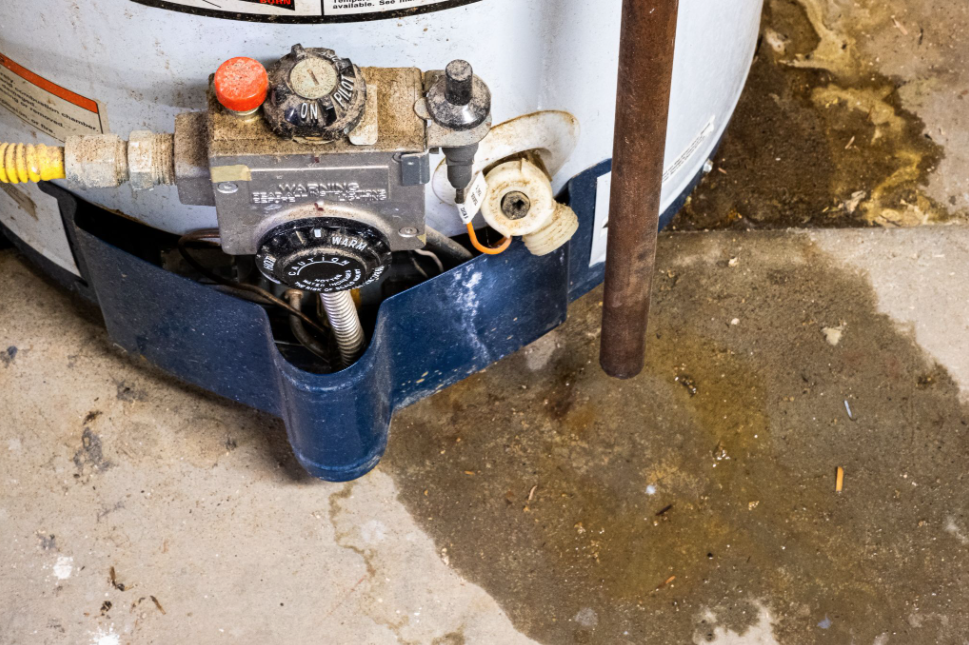
- Inspect the water heater for corrosion around fittings, moisture on or around the tank, and proper pressure relief valve function.
- Flush sediment from the water heater tank if it has not been done in the past 12 months.
- Check outdoor spigots for freeze damage after winter. Turn them on and confirm they flow and shut off completely.
Annually
- Schedule a professional plumbing inspection to assess the full system. This is especially important for homes more than 20 years old or homes that have never had a plumbing assessment.
- Have the water heater serviced including sediment flush, anode rod inspection, and pressure relief valve test.
- Have the main sewer line inspected by camera if the home is more than 20 years old, if trees are present in the yard above the line path, or if there has been any history of slow drains or backups.
- Test all GFCI outlets near water in bathrooms, kitchens, and garages.
- Check exposed pipe for corrosion in utility areas, under sinks, and in any accessible crawl space or basement.
- Clean showerheads and aerators if flow has reduced, by soaking in white vinegar to dissolve mineral deposits.
Every 5 to 10 Years
- Replace water heater anode rod if not already on annual inspection schedule. The anode rod protects the tank from corrosion and extending its life significantly.
- Have the full sewer line camera-inspected regardless of symptoms, as a baseline condition assessment.
- Assess shutoff valves throughout the home for function and replace any that are stuck, corroded, or failing.
- Evaluate aging pipe materials if the home has galvanized steel supply lines or original clay tile sewer pipe. Assess whether proactive replacement is more cost-effective than continued reactive repairs.
|
Wichita tip: Make a simple home plumbing reference document that records the location of your main water shutoff, the age and model of your water heater, when the sewer was last inspected, and any known issues. This takes 30 minutes to put together and saves significant time - and anxiety - in an emergency. |
Early Warning Signs Every Wichita Homeowner Should Know
These are the signals most commonly ignored before a plumbing failure. Each one is worth investigating promptly.
Rising Water Bills Without Explanation
A water bill that increases without a corresponding change in household usage is one of the most reliable early indicators of a hidden leak. A slow drip from a pressurized supply line, a running toilet, or a leaking main water line underground can all add hundreds of gallons per month to your usage before any visible evidence appears at the surface.
If your Wichita water bill has increased and you cannot identify the source, our leak detection service uses electronic equipment to locate leaks precisely without unnecessary demolition.
Water Stains That Appear Without an Obvious Source
A brown or yellow stain on a ceiling, wall, or floor that appeared without a visible spill or surface water source indicates water is reaching that surface from elsewhere - typically from a leaking pipe, a failed fixture connection, or water infiltrating from outside. The stain is the evidence of water that has already been accumulating for some time.
Musty Smell in a Room or Area
A persistent musty or mildew smell in a bathroom, kitchen, basement, or wall area that does not respond to cleaning is often mold growing on wet structural material behind the surface. Mold requires ongoing moisture to grow, which means an active or intermittent leak is still present even if no stain is visible yet.
Slow Drains in Multiple Locations
A single slow drain is usually a localized clog at that fixture. Multiple slow drains in different parts of the home - especially if they are getting progressively slower over weeks - often indicate a developing blockage in the main drain line or sewer line that is affecting the whole system.
See our drain cleaning service and sewer line inspection pages for more.
Low Water Pressure Throughout the Home
A sudden pressure drop at all fixtures simultaneously often signals a main water line problem. Gradual pressure decline over months or years in an older home is often caused by mineral buildup narrowing the interior of galvanized steel pipes. Both conditions are worth investigating before they progress to a full failure.
Sounds That Were Not There Before
A toilet that runs briefly every 20 minutes (phantom flushing), a banging noise in the pipes when a faucet is shut off quickly (water hammer), a hissing sound near the water heater, or a gurgling sound from a drain when water runs elsewhere in the house - each of these is a symptom of a developing problem that is worth identifying while it is still small.
What You Can Maintain Yourself vs. What Needs a Plumber
Preventative maintenance does not mean calling a plumber for everything. Many routine tasks are appropriate for any homeowner. Others genuinely require a licensed plumber.
DIY-Appropriate Maintenance Tasks
- Monthly under-sink and toilet inspections
- Running the water meter test to check for hidden leaks
- Cleaning showerhead and faucet aerators with vinegar
- Flushing water heater sediment (with manufacturer instructions)
- Testing the sump pump with a bucket of water
- Disconnecting outdoor hoses and shutting off exterior spigots before winter
- Recaulking around tubs, showers, and sinks when caulk deteriorates
- Replacing a toilet flapper or fill valve
- Cleaning garbage disposal with baking soda, vinegar, and ice
Tasks That Require a Licensed Plumber
- Full plumbing system inspection and condition assessment
- Water heater anode rod inspection and replacement
- Sewer line camera inspection
- Leak detection for hidden or underground leaks
- Any work on the main water supply line
- Gas line inspection and repair
- Sump pump installation and backup system installation
- Pipe replacement or repiping
- Water softener installation and service
For annual professional maintenance, our plumbing inspection and diagnosis service covers the full system and gives you a written assessment of current condition and any recommended action.
The Water Heater: The Most Overlooked Maintenance Item in Wichita Homes
If there is one plumbing component that benefits most from preventative maintenance and receives it least, it is the water heater. Most homeowners never touch their water heater until it fails - which is typically at a highly inconvenient moment and results in an emergency replacement rather than a planned one.
Here is what routine water heater maintenance involves and why it matters:
Annual Sediment Flush
Wichita's moderately hard water deposits calcium and magnesium sediment at the bottom of the water heater tank over time. This sediment insulates the water from the heating element, forcing the heater to work harder and longer to achieve the same temperature. It also creates a surface for corrosion and shortens the life of the tank. An annual flush removes the sediment and restores efficiency.
Anode Rod Inspection
The anode rod is a metal rod inside the tank that corrodes in place of the tank walls - it is the tank's primary protection against internal corrosion. When the anode rod is depleted, the tank itself begins to corrode from the inside. Replacing the anode rod every 3 to 5 years - or as indicated by annual inspection - dramatically extends tank life at a fraction of the cost of replacement.
Pressure Relief Valve Test
The temperature and pressure relief (TPR) valve is a safety device that releases pressure if the tank overheats. It should be tested annually to confirm it operates. A TPR valve that is stuck or has never been tested can fail to operate in an overpressure situation, which is a safety risk.
See our water heater repair and water heater installation pages for more on water heater service in Wichita.
The U.S. Department of Energy estimates that water heating accounts for roughly 18 percent of home energy use, making maintenance that preserves heater efficiency directly relevant to utility costs.
Sewer Line Maintenance: The Inspection Most Wichita Homeowners Skip
The main sewer line is the plumbing component most likely to cause a sudden, expensive emergency - and the one least likely to receive any preventative attention.
In Wichita's established neighborhoods, sewer lines are commonly made of clay tile installed decades ago. Clay tile sewer pipe is not continuous - it is a series of short sections joined end to end, with no adhesive holding the joints together. As the surrounding soil shifts over decades of freeze-thaw cycles and wet-dry seasons, these joints separate slightly. Tree roots follow the moisture and work their way into the pipe. The result, over years, is progressive root intrusion that restricts and eventually blocks the line.
The first external sign is often a sewage backup into the home. By that point, the root intrusion has been developing for years.
A camera inspection of the sewer line identifies root intrusion, cracked or offset pipe sections, and areas of buildup before they reach the blockage point. For homes in established Wichita neighborhoods with mature trees, an inspection every 3 to 5 years is a reasonable preventative interval.
See our sewer services page for more on sewer line inspection, cleaning, and repair in Wichita.
Homeowners Insurance and Plumbing: What Is and Is Not Covered
Many Wichita homeowners assume their homeowners insurance will cover any plumbing-related damage. The reality is more limited, and understanding the distinction before a loss occurs is important.
Most standard homeowners insurance policies cover sudden and accidental water damage - a pipe that unexpectedly bursts, a washing machine hose that suddenly fails, a toilet that overflows without warning. These are covered because they are unexpected.
What most policies do not cover is damage from gradual leaks, poor maintenance, or neglect. A slow drip under a sink that has been present for months and has rotted the cabinet floor is typically classified as a maintenance failure and excluded from coverage. Sewer backup damage is often excluded from standard policies entirely and requires a separate endorsement.
|
Key point: The Insurance Information Institute notes that gradual water damage is one of the most common reasons homeowners insurance claims are denied. Documentation of regular maintenance - including professional inspection records - can support a claim in disputed situations. |
Routine maintenance documentation serves two purposes: it catches problems before they become losses, and it provides evidence of responsible ownership if you do need to file a claim.
Making Preventative Maintenance Easy: Professional Service Plans
One of the practical challenges of preventative maintenance is remembering to do it. Life moves quickly in a busy Wichita household, and annual water heater service and sewer inspections are easy to defer indefinitely when nothing is visibly wrong.
A professional plumbing service plan takes the scheduling out of the equation. Benjamin Franklin Plumbing of Wichita's Club Membership program provides scheduled maintenance visits, priority scheduling for service calls, and member discounts on repairs. For homeowners who want the peace of mind of maintained plumbing without the effort of tracking it themselves, a service plan is a practical solution.
With 3 levels of membership, we provide perks such as annual whole-home plumbing inspection, annual 14-point precision water heater tune up and inspection, a 15% discount on all repairs and services, reduced service call fees, and priority service. This service allows our members the benefit of catching small problems before they become big ones.
Learn more about our Club Membership program in Wichita.
Start Your Preventative Maintenance Plan Today
The best time to start preventative plumbing maintenance is before something goes wrong. The second best time is now. A single professional inspection gives you an accurate picture of your home's current plumbing condition, identifies anything that needs attention, and gives you a clear starting point for an ongoing maintenance schedule.
Benjamin Franklin Plumbing of Wichita serves homeowners throughout Wichita and Sedgwick County with licensed plumbers, upfront pricing, and our punctuality guarantee: if we are late, we pay you $5 per minute, up to $300.

 Your Privacy Choices