Most homeowners expect their water bill to fluctuate a little during the summer, especially with irrigation systems and outdoor faucets running more often in Wichita. But if your bill suddenly spikes for no obvious reason, your toilet may be wasting far more water than you realize.
In fact, one of the most common causes of unexpectedly high water bills is a silent toilet leak, often caused by a worn toilet flapper or failing flush valve assembly.
And in Wichita? Hard water can accelerate that wear much faster than many homeowners expect.
The Problem With “Silent” Toilet Leaks
Unlike a burst pipe or dripping faucet, running toilets are easy to miss because the leak typically happens inside the tank.
Here’s what happens mechanically:
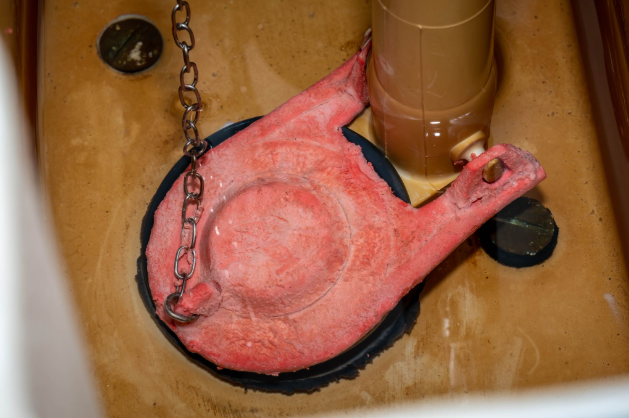
Inside your toilet tank is a rubber or silicone component called a flapper valve. Its job is to create a watertight seal between the tank and the flush valve opening.
Over time, that seal begins to deteriorate.
When the flapper no longer seals properly:
- Water continuously leaks from the tank into the bowl
- The fill valve repeatedly cycles to refill the tank
- Your home continuously consumes water, often 24/7
This type of leak is called a continuous fill condition.
How Much Water Can a Running Toilet Waste?
More than most people realize.
A leaking toilet can waste:
- 200+ gallons per day
- Thousands of gallons per month
- Enough water to significantly increase your utility bill without any visible plumbing leak
Because the leak is gradual and internal, many Wichita homeowners don’t notice the problem until they receive a higher-than-normal bill.
Why Wichita’s Hard Water Makes the Problem Worse
Wichita-area water contains elevated levels of dissolved minerals like calcium and magnesium, commonly referred to as hard water.
Those minerals don’t just affect dishes and showerheads. They also impact internal plumbing components.
Over time, mineral-rich water can cause:
- Flapper degradation
- Mineral scale accumulation
- Valve seat corrosion
- Reduced seal elasticity
- Premature fill valve wear
This buildup is commonly called limescale deposition or calcification.
As scale accumulates around the flush valve seat, the flapper may no longer create a proper hydraulic seal, allowing water to slowly bypass the valve and leak into the bowl continuously.
Signs Your Toilet May Be Running
Not every running toilet is obvious. Watch for these indicators:
Random Refilling Sounds
If you hear your toilet tank refill periodically when nobody has flushed, water is escaping from the tank.
Movement in the Toilet Bowl Water
Small ripples or movement in the bowl can indicate active leakage from the tank.
Rising Water Bills
An unexplained increase in your Wichita water bill is often one of the first signs.
Toilet Components Frequently Failing
If you’ve replaced flappers multiple times, hard water mineralization may be accelerating component deterioration.
The Dye Test: A Simple Leak Detection Method
One easy way to test for a toilet leak:
- Add several drops of food coloring into the toilet tank
- Wait 15–20 minutes without flushing
- Check the toilet bowl
If color appears in the bowl, the flapper seal is leaking.
This test helps identify low-flow seepage that might otherwise go unnoticed.
Why Replacing the Flapper Isn’t Always Enough
Many homeowners replace the flapper only to have the issue return months later.
Why?
Because the flapper itself may not be the only issue.
Hard water can also damage:
- Flush valve seats
- Fill valves
- Overflow tubes
- Tank-to-bowl gaskets
In some cases, mineral buildup creates microscopic surface irregularities that prevent a proper seal even with a brand-new flapper installed.
A professional inspection can determine whether a simple repair is enough, or whether additional components should be replaced.
Can Hard Water Treatment Help?
Yes.
Installing a properly sized water softener can help reduce:
- Mineral scaling
- Premature fixture wear
- Valve deterioration
- Sediment accumulation inside plumbing components
Softened water often extends the lifespan of fixtures and internal toilet mechanisms throughout the home.
Don’t Ignore a Running Toilet
A continuously running toilet may seem minor, but over time it can:
- Waste substantial amounts of water
- Increase utility costs
- Accelerate fixture wear
- Mask larger plumbing inefficiencies
If your water bill suddenly rises or your toilet won’t stop refilling, it’s worth having the system evaluated before the problem worsens.
Benjamin Franklin Plumbing of Wichita can diagnose hidden toilet leaks, inspect worn internal components, and identify whether hard water damage is contributing to the issue. Addressing the problem early is often far less expensive than months of wasted water and recurring repairs.

 Your Privacy Choices