
When a water heater starts failing, looking at the retail price of a new tank at a local home improvement store makes a DIY installation tempting. Hauling a new unit home and swapping it out over the weekend sounds like a straightforward way to save a few hundred dollars.
However, water heaters operate at a complex, highly pressurized intersection of water lines, electrical wiring, and natural gas. Before you commit to a DIY installation, it helps to understand the hidden structural challenges, the modern efficiency differences between systems, and what local safety standards require.
Before you decide to haul a new tank home yourself, consider what a professional plumbing team handles on your behalf.
1. Navigating Local Permits and Building Codes
Many homeowners don't realize that replacing a water heater legally requires a trade permit through the Metropolitan Area Building and Construction Department (MABCD). Local regulations are strict to ensure community safety. In fact, if a homeowner wants to pull their own permit for a water heater installation, local code requires them to own and occupy the home and pass a written exam.
When you hire a licensed plumber, they manage this entire process for you. They pull the required municipal permits, handle the paperwork, and ensure the installation complies with current building codes. This includes installing crucial safety components like a thermal expansion tank to manage water pressure spikes and properly routing the temperature and pressure relief valve. If a DIY installation skips these steps or fails a future city inspection, it can stall the sale of your house down the road.
2. Managing Gas Lines and Venting Safety
If your home uses a natural gas water heater, the installation involves serious safety risks. Connecting a gas line incorrectly can cause slow, unnoticeable leaks that create massive fire hazards.
Furthermore, proper venting is a literal matter of life and death. A licensed plumber ensures that the exhaust flue is pitched and sealed perfectly. This guarantees that carbon monoxide drafts safely out of your home rather than backing up into your living spaces. Professionals also verify that your gas lines are properly sized so your new water heater doesn't starve your furnace or other appliances of necessary fuel pressure.
3. Dealing with the Heavy Lifting and Sediment Weight
The physical demand of removing an old water heater is a major obstacle for most DIYers. While a brand-new 50-gallon tank weighs around 150 pounds, a failing unit is often significantly heavier because it is loaded with years of mineral scale and sediment buildup.
If the drain valve is clogged by that sediment, you cannot easily empty the water. Safely moving a 300-plus-pound cylinder of hot sludge out of a tight utility closet or up a basement staircase is incredibly hazardous without specialized moving gear. A professional team takes care of the heavy lifting, transports the old unit out of your home, and handles the proper disposal for you.
4. Protecting Your Home with Insurance and Warranties
When you install a water heater yourself, you assume 100% of the financial risk. If a pipe leaks or a connection fails a week later, causing thousands of dollars in water damage to your floors or drywall, your homeowner's insurance policy may deny the claim if the work was performed by an unpermitted, unlicensed individual. Additionally, many manufacturers will void their equipment warranty if the unit was not installed by a licensed professional.
Hiring a certified plumbing company gives you complete peace of mind. The work is backed by general liability insurance, a proper manufacturer warranty, and a professional labor guarantee.
5. Gathering Specialized Tools
A standard household toolbox usually isn’t enough to install a water heater correctly and safely. Because you are dealing with rigid piping, electrical components, and gas lines, the job requires a surprising amount of specialized plumbing gear.
If you attempt a DIY installation, your shopping list will likely need to include:
- Dual Pipe Wrenches: You need two large pipe wrenches (typically 14-inch or 18-inch). One wrench holds the pipe steady to prevent it from twisting and breaking behind the wall, while the second wrench tightens the fitting.
- Pipe Cutting and Prep Tools: A dedicated copper tubing cutter is required to get clean, square cuts on your water lines. You will also need a deburring tool, emery cloth, and pipe brushes to clean the metal before joining the pipes.
- Soldering Supplies or Fitting Gear: If your home uses solid copper lines, you will need a propane torch, lead-free solder, and flux to "sweat" the new joints. If you don't want to use a torch, you have to invest in specialized compression fittings or expensive pro-grade crimping tools.
- Safety Testing Equipment: For electric water heaters, a non-contact voltage tester is crucial to verify the power is completely dead before touching any wiring. For gas units, you need specialized pipe thread compound (pipe dope) rated for fuel lines and a gas leak detection solution to test every joint for micro-leaks.
- Heavy Drainage and Moving Gear: To get the old unit out, you need a high-flow, heat-resistant garden hose to drain the hot water, along with a heavy-duty appliance dolly equipped with safety straps to move the heavy tank without tearing up your floors.
When you factor in the cost of buying or renting tools you might only use once, the supposed financial savings of a DIY installation quickly start to shrink. A professional team arrives with all of this equipment already in their truck, saving you an extra trip to the hardware store.
Experience the Professional Difference For Water Heater Installation
At Benjamin Franklin Plumbing, we believe your time and safety are worth protecting. We have been locally owned and operated right here in the community for over 70 years.
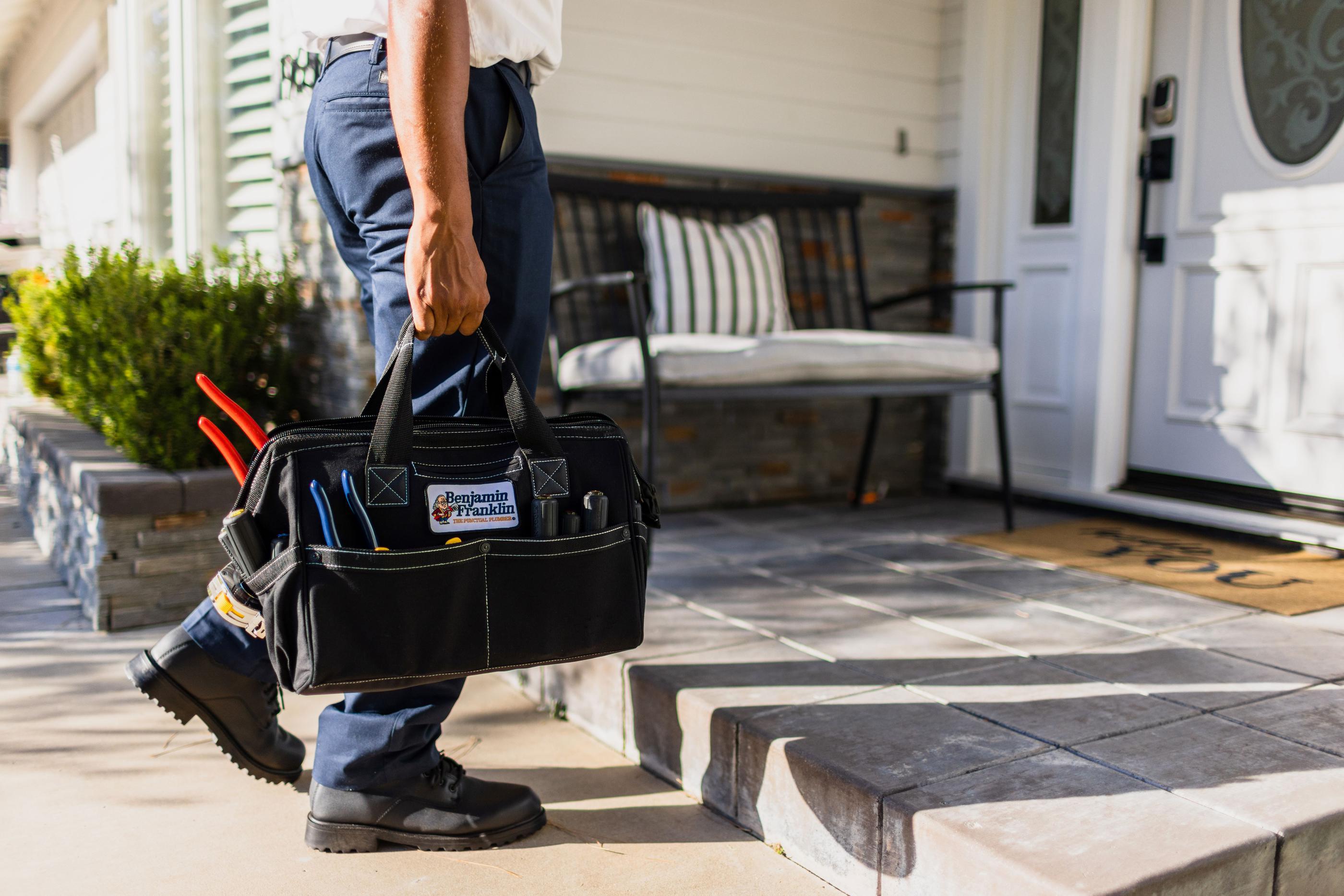
Our technicians travel in fully stocked trucks, carrying thousands of specialized parts. This allows us to complete your water heater replacement safely and correctly in a single visit, saving you from a weekend of stress and multiple trips to the hardware store.
We provide transparent, upfront pricing with no overtime hourly fees for nights, weekends, or holidays. If your hot water system is struggling, contact our team today to ensure your new system is installed safely, legally, and to code.

 Your Privacy Choices