You open your latest water bill and immediately do a double take.
"That can't be right."
Your water usage is suddenly much higher than usual, but nothing inside the house seems wrong. No overflowing toilets. No dripping faucets. No obvious plumbing leaks.
So where is all that water going?
For many Wichita homeowners, the answer is surprisingly simple: a leaking outdoor spigot.
During the summer months, outdoor plumbing fixtures work harder than almost any other part of your home's plumbing system. Between watering lawns, filling pools, washing cars, and running sprinklers, even a small leak can waste a significant amount of water, and increase your utility bill along with it.
Why Outdoor Spigot Leaks Often Go Unnoticed
Unlike a leaking kitchen faucet, outdoor spigots (also called hose bibs or outdoor faucets) aren't something most homeowners inspect regularly.
A slow drip outside may seem harmless because:
- It's outdoors
- Water soaks into the ground
- The leak isn't creating visible damage indoors
- The dripping may only occur when a hose is connected
Unfortunately, your water meter doesn't care where the water goes.
Every drop is still being measured and billed.
The Math Adds Up Quickly
Many homeowners underestimate how much water a small leak can waste.
Consider this:
According to the U.S. Environmental Protection Agency (EPA), a faucet leaking at a rate of just one drip per second can waste more than 3,000 gallons of water per year.
Now factor in Wichita's summer watering season, when outdoor faucets are under increased pressure and used more frequently.
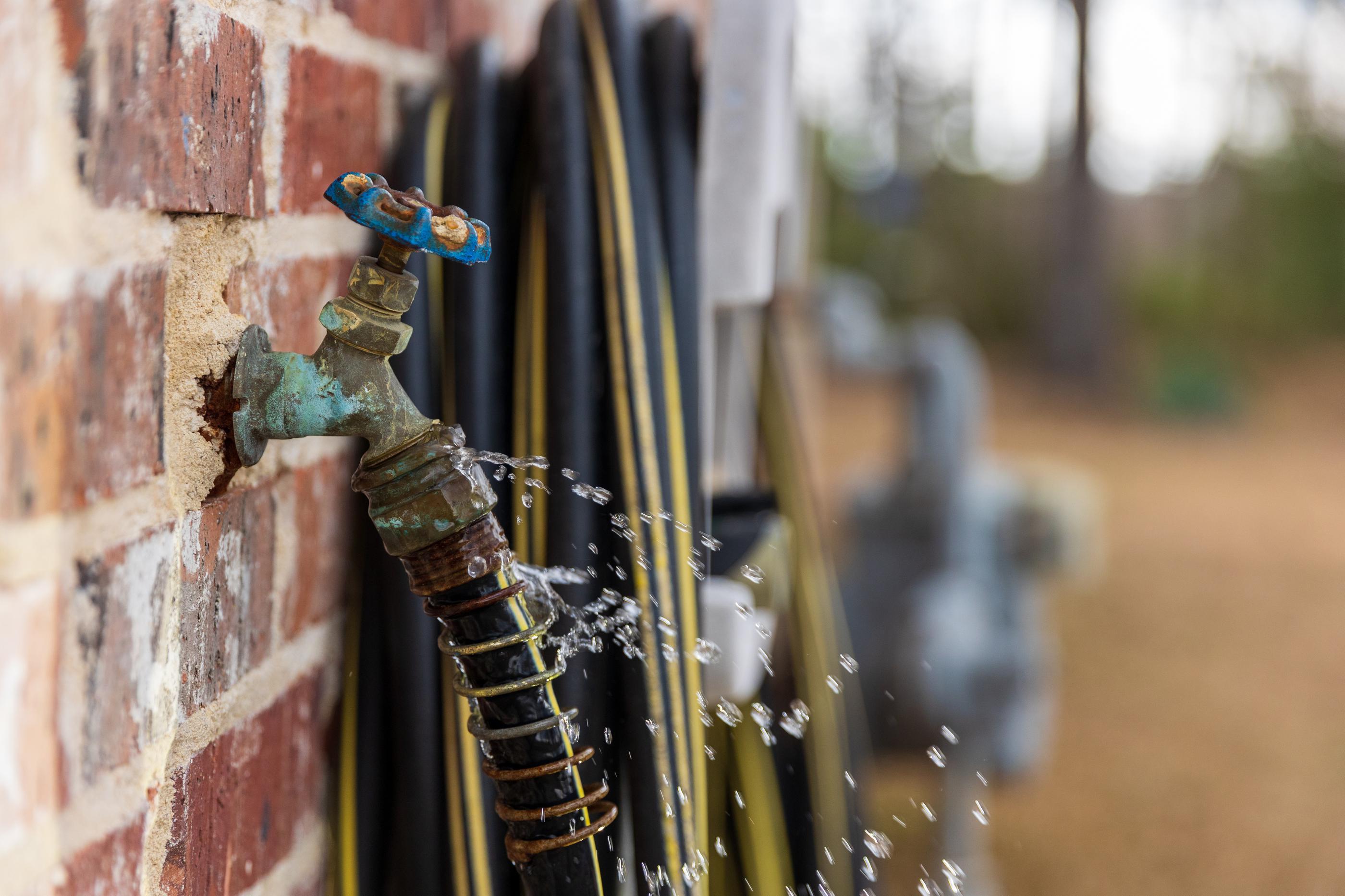
If a worn washer, damaged valve stem, or cracked hose bib allows water to continuously escape, your utility costs can climb quickly.
Common Causes of Outdoor Spigot Leaks
Outdoor faucets endure significant wear and tear throughout the year.
In Wichita, seasonal temperature fluctuations can be especially tough on plumbing fixtures.
Freeze Damage
Winter freezing can create microscopic cracks inside hose bibs and frost-free spigots.
Homeowners often don't discover the damage until they begin using the faucet again in spring or summer.
Worn Valve Washers
Inside the faucet assembly is a rubber washer designed to create a watertight seal.
Over time, repeated use causes the washer to deteriorate, allowing water to bypass the valve.
Packing Nut Failure
Many outdoor spigots contain a packing nut that seals around the valve stem.
When this seal begins to fail, water may leak directly from the faucet handle.
High Water Pressure
Excessive household water pressure can accelerate wear on faucet components and increase leakage rates.
Hidden Leak Locations Homeowners Miss
Not all outdoor spigot leaks drip from the faucet itself.
Some leaks occur:
- Inside exterior walls
- Behind siding
- At pipe connections
- At hose connections
These hidden leaks can continue wasting water long before visible symptoms appear.
Signs Your Outdoor Faucet May Be Costing You Money
Watch for these warning signs:
Water Dripping After Shut-Off
A faucet should stop flowing completely when closed.
Continued dripping indicates a failing seal somewhere within the assembly.
Unusually Green Grass
One area of your yard that remains significantly greener than the surrounding lawn may indicate a hidden leak.
Water Stains on Exterior Walls
Discoloration near hose bibs can signal leakage behind the siding.
Increased Water Bills
One of the earliest indicators of a plumbing leak is often a sudden increase in water consumption without a change in household habits.
How Wichita Summers Make Leaks Worse
Summer creates the perfect conditions for water waste.
Homeowners are often:
- Running sprinklers
- Watering landscaping
- Washing vehicles
- Filling pools
- Using outdoor kitchens
Because water usage naturally increases during this time of year, a leak can blend in with normal seasonal consumption.
By the time homeowners investigate, hundreds or even thousands of gallons may have already been wasted.
A Simple Test You Can Perform
Want to check for a possible outdoor plumbing leak?
Try this:
- Turn off all water fixtures inside and outside the home.
- Check your water meter.
- Wait 30 minutes without using any water.
- Recheck the meter.
If the reading changes, you may have a leak somewhere in your plumbing system.
A professional plumber can then perform more advanced diagnostics to locate the source.
Frequently Asked Questions About Outdoor Faucet Leaks
How much water can a leaking outdoor spigot waste?
Even a slow drip can add up over time. A faucet that drips once per second can waste thousands of gallons of water annually, leading to higher utility bills and unnecessary water consumption.
How can I tell if my water consumption is higher than normal?
To determine if your bill looks higher, the City of Wichita has a video explaining how to read your water bill. According to the City of Wichita’s video, the average winter water consumption for a Wichita residential home is 6,000 gallons. Your bill also has a chart of your past year’s consumption history in thousands of gallons so you can quickly get an idea if a major change occurred, and when it did.
Why is my outdoor faucet leaking after I turn it off?
In many cases, the cause is a worn washer, damaged valve stem, deteriorated O-ring, or mineral buildup preventing the faucet from creating a complete seal.
Can Wichita's hard water damage outdoor faucets?
Yes. Wichita's hard water contains minerals like calcium and magnesium that can accumulate inside plumbing fixtures. Over time, this mineral buildup can wear down seals, restrict water flow, and shorten the lifespan of outdoor spigots.
Is a leaking hose bib an emergency?
Not usually, but it shouldn't be ignored. Small leaks can waste significant amounts of water and may worsen over time. If the leak is occurring inside an exterior wall or causing visible water damage, it's best to have it inspected promptly.
How often should outdoor spigots be inspected?
Homeowners should inspect outdoor faucets at least once each spring and fall. Checking for leaks, cracks, corrosion, and signs of freeze damage can help prevent larger plumbing issues later.
Don't Let a Small Drip Become a Big Expense
Outdoor faucet leaks are easy to ignore because they're often out of sight and seemingly minor. But even a slow leak can contribute to higher water bills, wasted resources, and potential plumbing damage over time.
If you've noticed unexplained increases in water usage or suspect an issue with your outdoor plumbing, the team at Benjamin Franklin Plumbing of Wichita can inspect your hose bibs, identify hidden leaks, and recommend the appropriate repairs. Catching the problem early can help you spend less on water and more on enjoying your summer.

 Your Privacy Choices