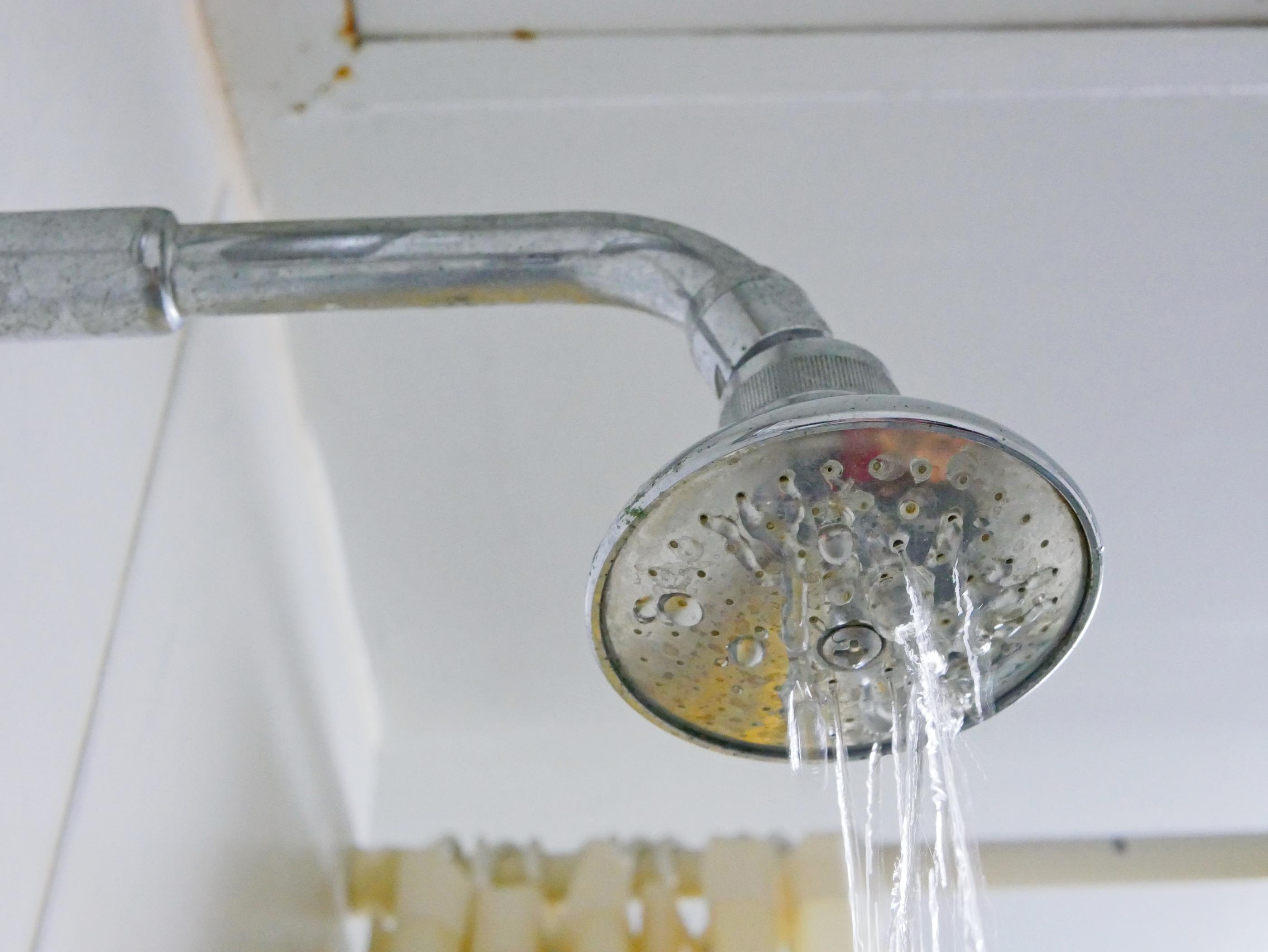
Turning on the shower only to get a weak trickle can quickly turn a good morning into a frustrating one. Whether it's your kitchen sink, shower, or outdoor hose, low water pressure is more than just an inconvenience, it can be a sign that something isn't working properly within your plumbing system.
The good news? Some causes are simple to identify, while others require a professional inspection.
If you've been searching for "Wichita plumbers near me" because your water pressure has suddenly dropped, this guide will help you understand the most common causes and when it's time to call a licensed plumber.
Is the Problem Affecting One Fixture or Your Entire Home?
Before assuming you have a major plumbing issue, determine where the problem is occurring.
Only One Faucet or Shower Has Low Pressure
If only one fixture is affected, the problem is often localized.
Possible causes include:
- A clogged faucet aerator
- Mineral buildup inside the showerhead
- A worn faucet cartridge
- A partially closed fixture shutoff valve
These issues are generally easier to repair than whole-home pressure problems.
Every Fixture Has Low Water Pressure
If every faucet, shower, and appliance has weak water flow, the issue is likely occurring somewhere within your home's plumbing system or water supply.
Common causes include:
- A partially closed main shutoff valve
- A failing pressure reducing valve (PRV)
- Hidden plumbing leaks
- Corroded water lines
- Municipal water supply issues
A whole-house pressure problem should be investigated promptly to prevent further damage.
Six Common Causes of Low Water Pressure in Wichita Homes
1. Hard Water Mineral Buildup
Wichita is known for having moderately hard water.
Over time, calcium and magnesium minerals can accumulate inside:
- Faucet aerators
- Showerheads
- Water supply lines
- Water heaters
This mineral scale gradually reduces the inside diameter of pipes and fixtures, restricting water flow.
If you've noticed pressure declining over several years instead of overnight, hard water may be contributing to the problem.
2. A Hidden Plumbing Leak
Not every plumbing leak leaves water on the floor.
Leaks behind walls, beneath slabs, or underground can reduce available water pressure while increasing your monthly utility bill.
Other signs include:
- Damp drywall
- Mold or mildew odors
- Soft flooring
- Unexplained spikes in your water bill
- Water meter movement when no fixtures are running
Professional leak detection equipment can often locate hidden leaks without unnecessary damage to your home.
3. Your Pressure Reducing Valve (PRV) Is Failing
Many homes have a pressure reducing valve (PRV) installed where the main water line enters the house.
Its purpose is to regulate incoming water pressure to a safe range, typically between 40 and 60 PSI for residential plumbing.
As the valve ages, it may fail mechanically, causing pressure to drop throughout the home.
Common signs include:
- Weak water flow everywhere
- Fluctuating pressure
- Pressure that's noticeably worse than it was a few weeks ago
4. Corroded or Aging Pipes
Some older Wichita homes, particularly in neighborhoods like Riverside, College Hill, and Delano, may still contain aging galvanized steel plumbing.
Over time, corrosion develops inside these pipes, restricting water flow and reducing pressure.
Unlike clogged fixtures, corroded pipes generally require repair or replacement rather than cleaning.
5. Your Water Heater Needs Attention
If low pressure only affects the hot water, your water heater could be the culprit.
Sediment buildup inside the tank may restrict hot water flow, especially in areas with hard water.
Other signs include:
- Rumbling or popping noises
- Inconsistent water temperature
- Running out of hot water sooner than expected
- Rust-colored hot water
Routine flushing and maintenance can help extend the life of your water heater.
6. Municipal Water Supply Issues
Sometimes, the issue isn't inside your home at all.
Water main repairs, nearby construction, or temporary maintenance performed by the municipal water utility can reduce water pressure for an entire neighborhood.
If your neighbors are experiencing the same issue, it's worth checking with the local water utility before scheduling repairs.
What You Can Check Before Calling a Plumber
A few quick checks may help identify the problem:
- Clean faucet aerators and showerheads.
- Make sure your home's main water shutoff valve is fully open.
- Ask nearby neighbors if they're experiencing similar pressure issues.
- Compare hot and cold water pressure to determine if the issue is isolated to the water heater.
- Look for visible leaks around fixtures, appliances, and exposed plumbing.
If these steps don't solve the problem, a professional diagnosis is the next best step.
Why Professional Diagnosis Matters
Low water pressure isn't a one-size-fits-all problem.
The same symptom could be caused by a clogged aerator, a hidden leak, a failing pressure regulator, or deteriorating water lines.
At Benjamin Franklin Plumbing of Wichita, our licensed plumbers inspect your plumbing system to identify the root cause, not just the symptom. We use professional diagnostic equipment to evaluate water pressure, inspect fixtures, locate hidden leaks, and recommend solutions that fit your home's plumbing system. Whether you need a simple repair or a more extensive plumbing upgrade, we'll explain your options clearly so you can make an informed decision.
Searching for "Wichita Plumbers Near Me"?
Low water pressure can have several different causes, and finding the right solution starts with identifying the source of the problem. Whether it's a clogged fixture, a hidden leak, aging pipes, or a failing pressure regulator, addressing the issue early can help restore reliable water flow and prevent more costly repairs.
If you're searching for Wichita plumbers near me, the experienced team at Benjamin Franklin Plumbing is here to help. We provide professional plumbing inspections, leak detection, water heater services, and water pressure diagnostics to help homeowners throughout Wichita keep their plumbing systems operating at their best.
Similar Blog Posts:
The Plumbing Leak You Don’t Know About Could Cost You Thousands

 Your Privacy Choices